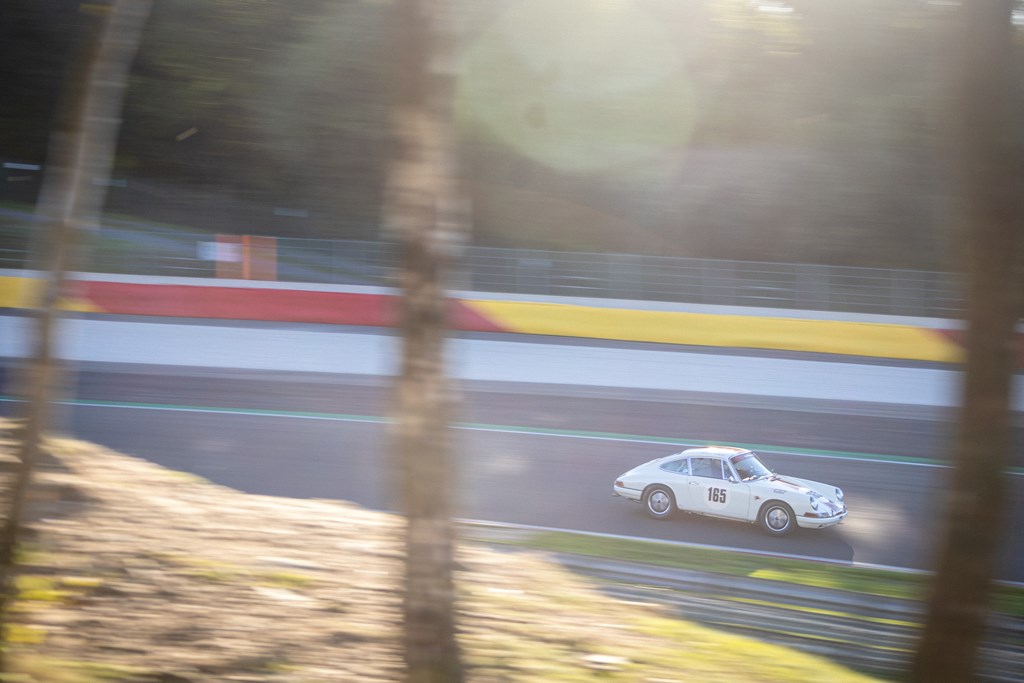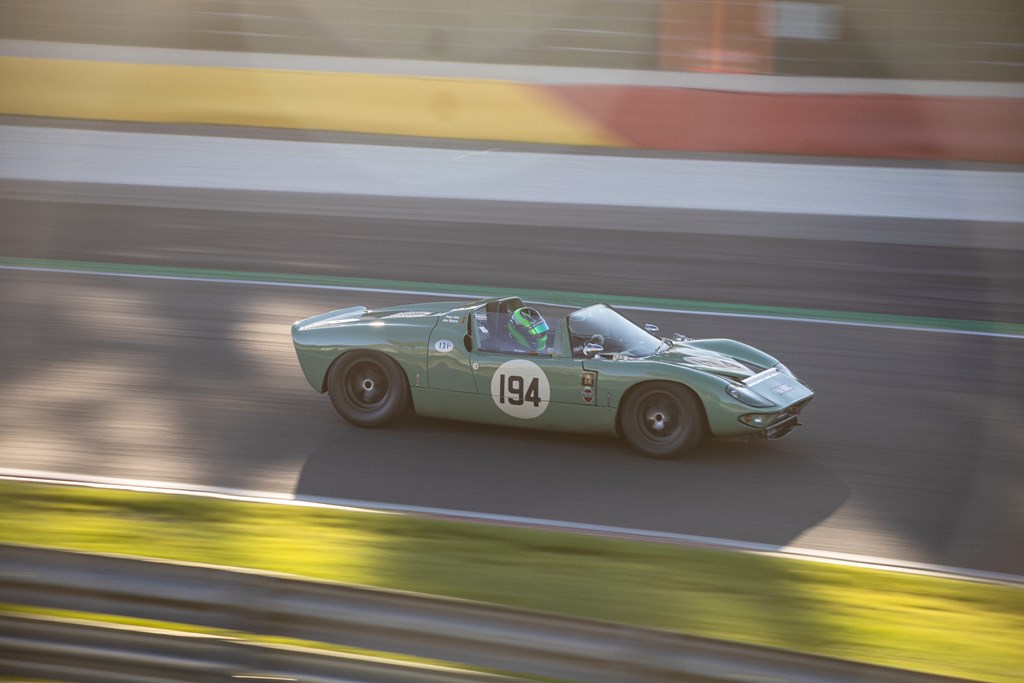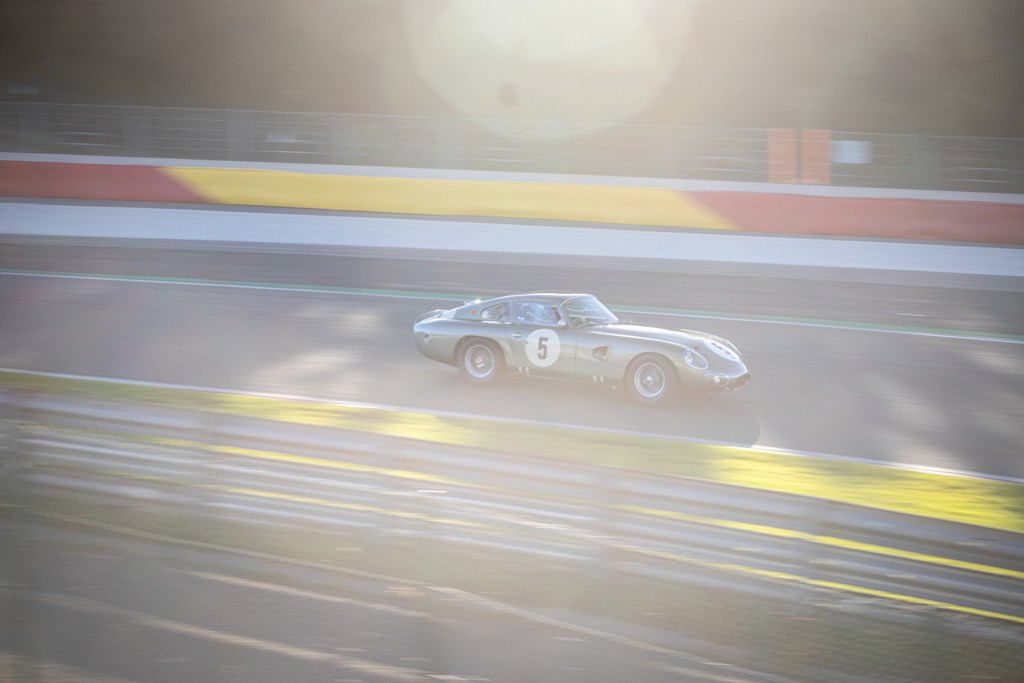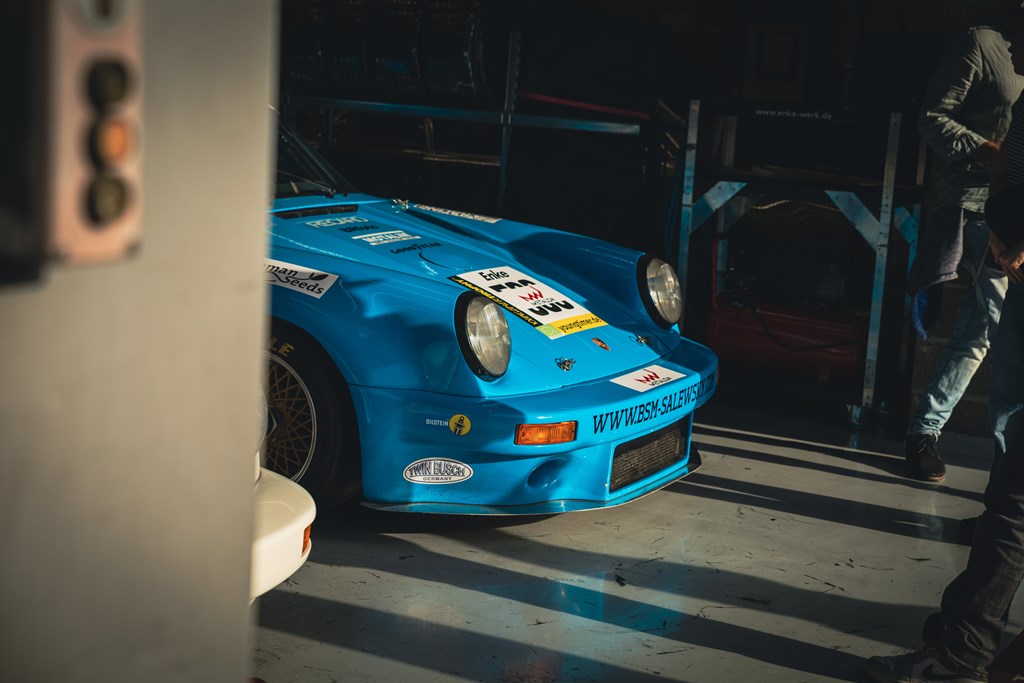



"What did you get up to this weekend?" they ask on a sleepy Monday morning by the office coffee machine. "I spent the weekend at Spa," I reply, prompting a chorus of envious sighs. "Oh, lovely! Did you manage to unwind a bit?"
And there I stand, ears still ringing. "Unwind? For two straight days I watched more than 300 historic race cars being hurled around Spa-Francorchamps. I'm not sure that matches your definition of relaxation..." My colleagues exchange glances, look back at me and shrug: "Well, to each their own."
Exactly. A hobby. One I have been pursuing for nearly twenty years, feeding my passion for cars with spotting and photography trips across Europe. And for the past four years, one date has been fixed on that calendar: the Spa Six Hours at the legendary Spa-Francorchamps circuit.
From Alfa's to Porsche Cups
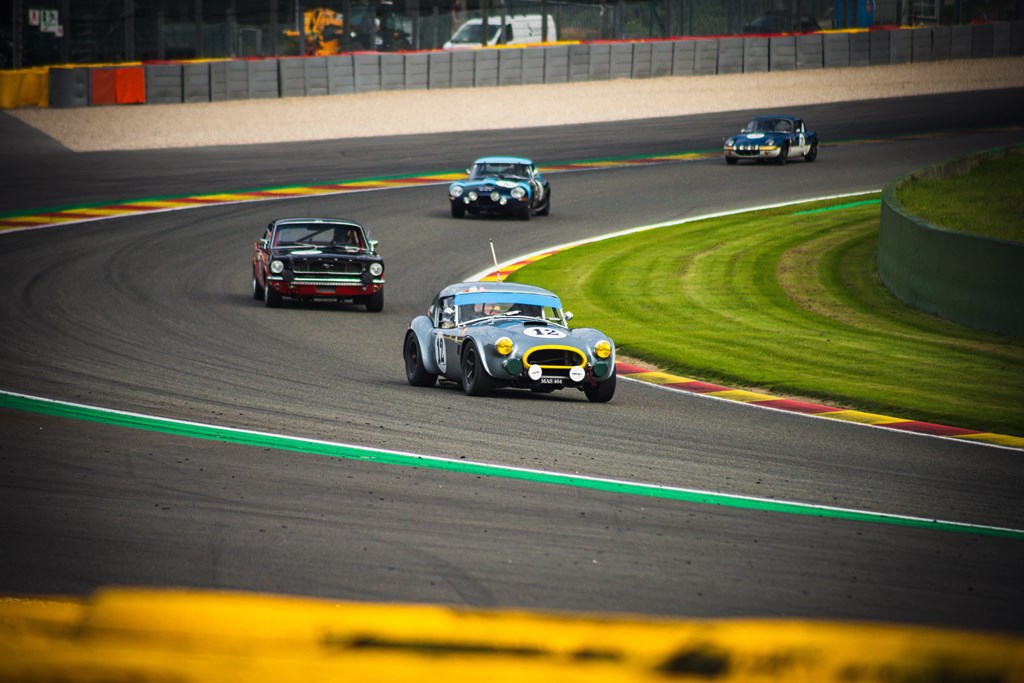
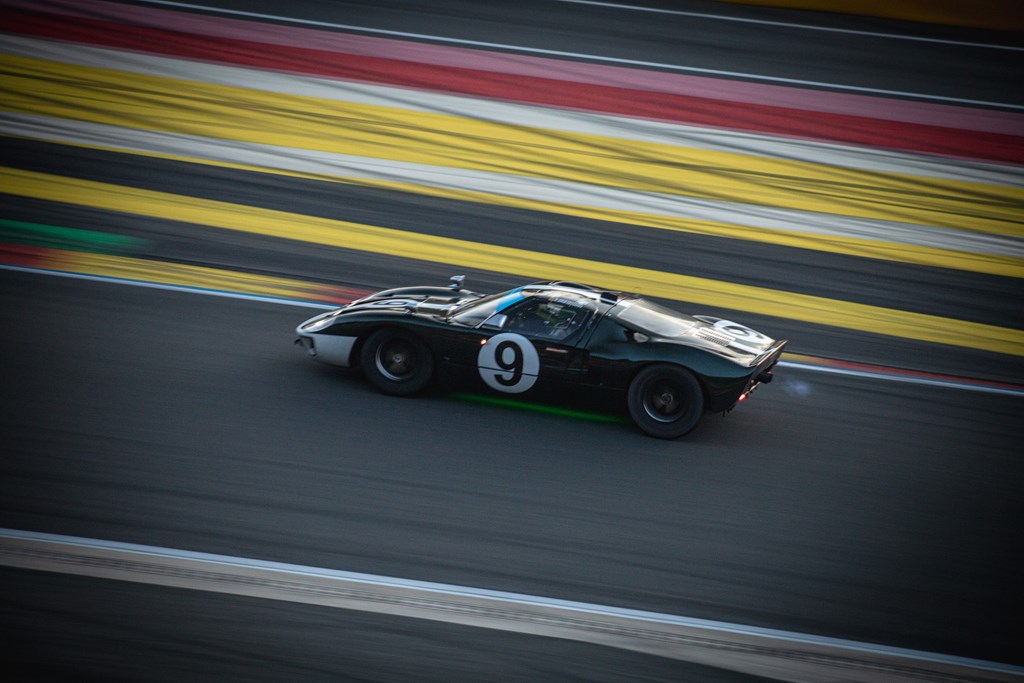
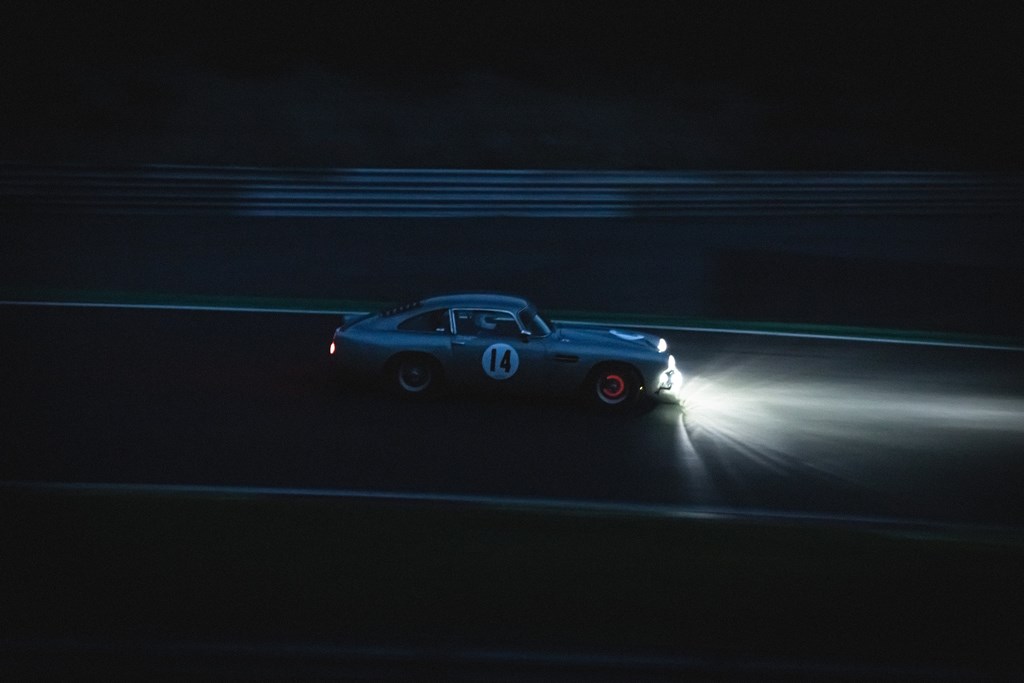
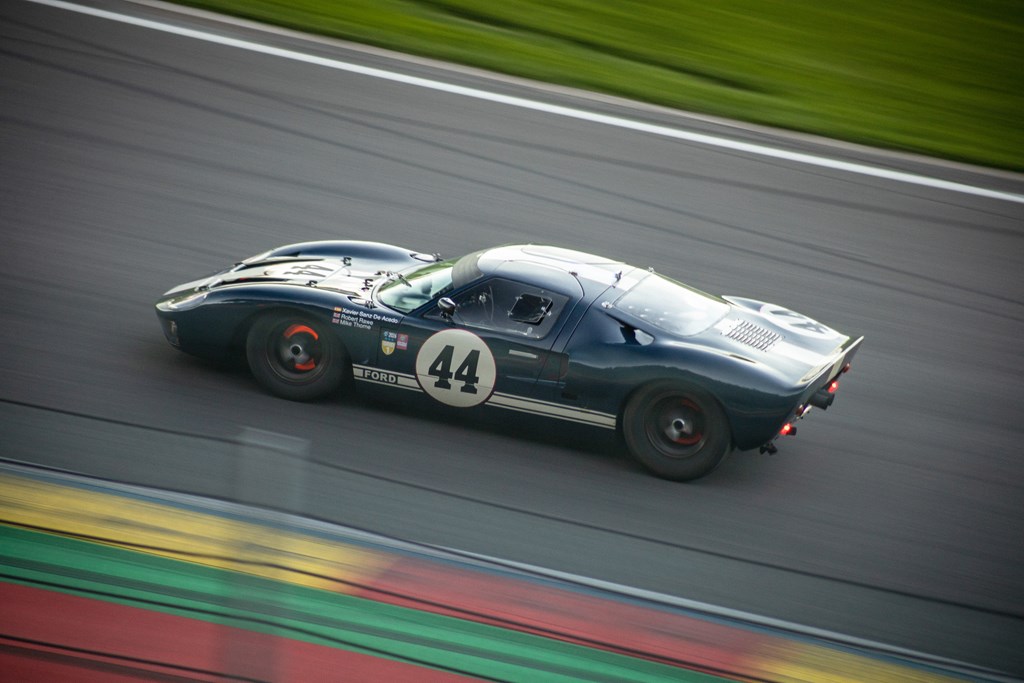
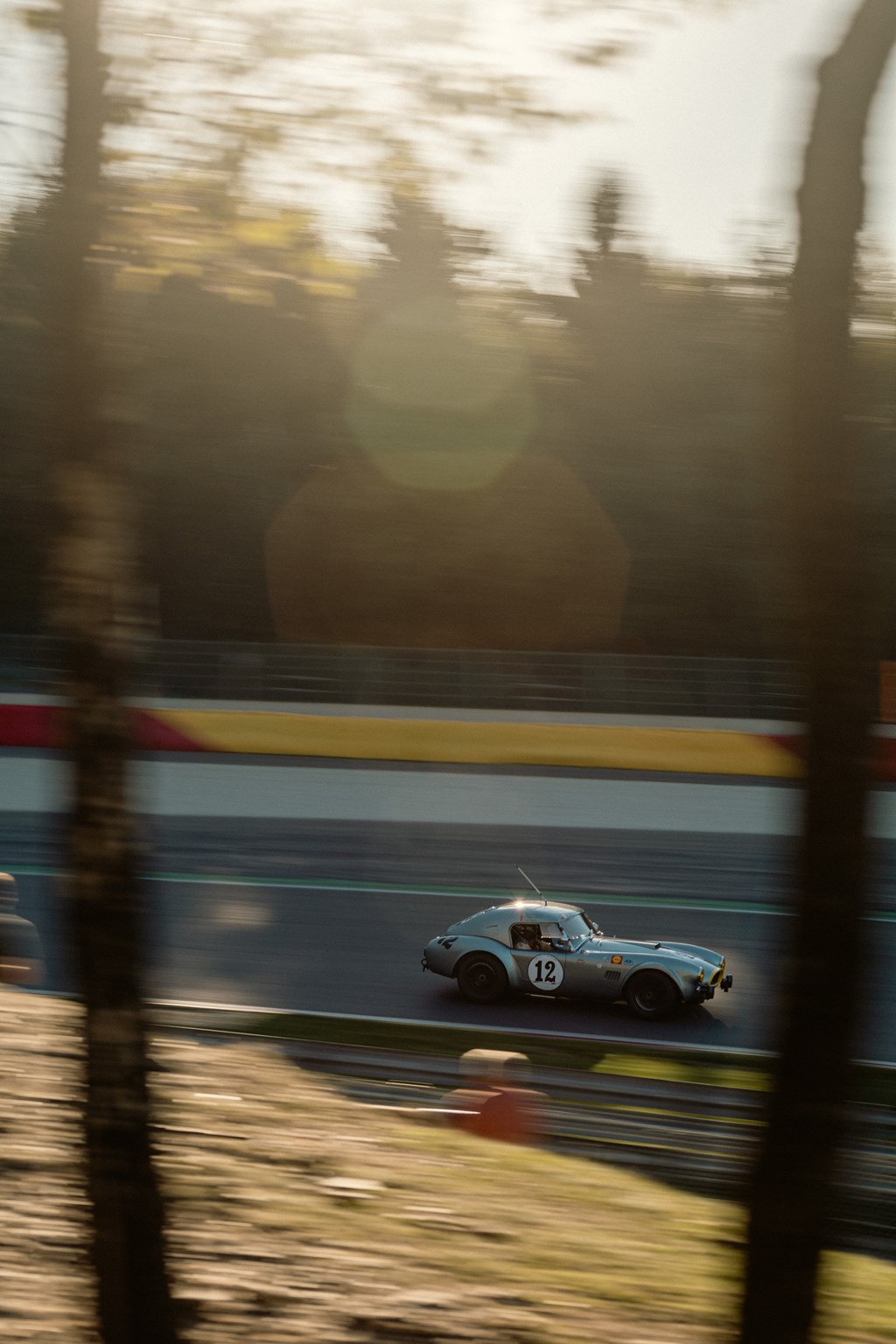
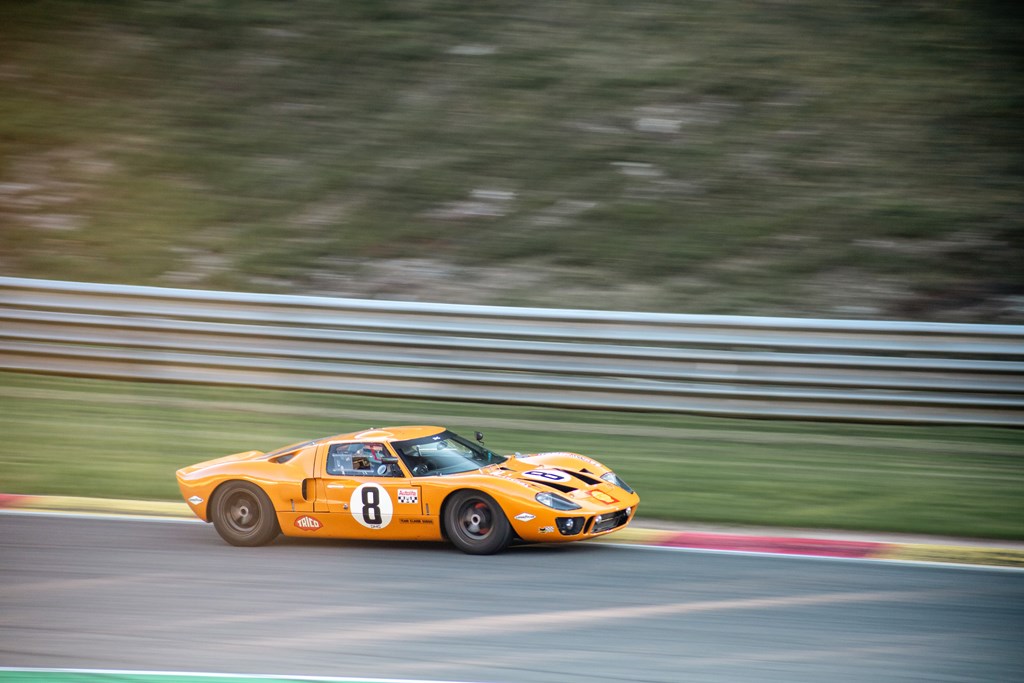
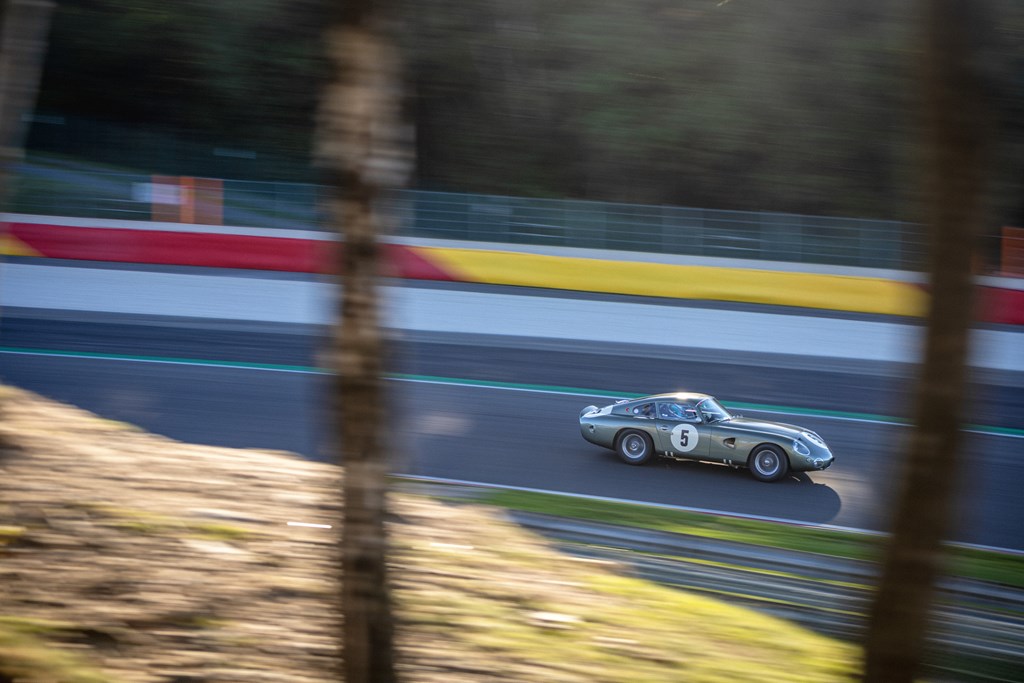
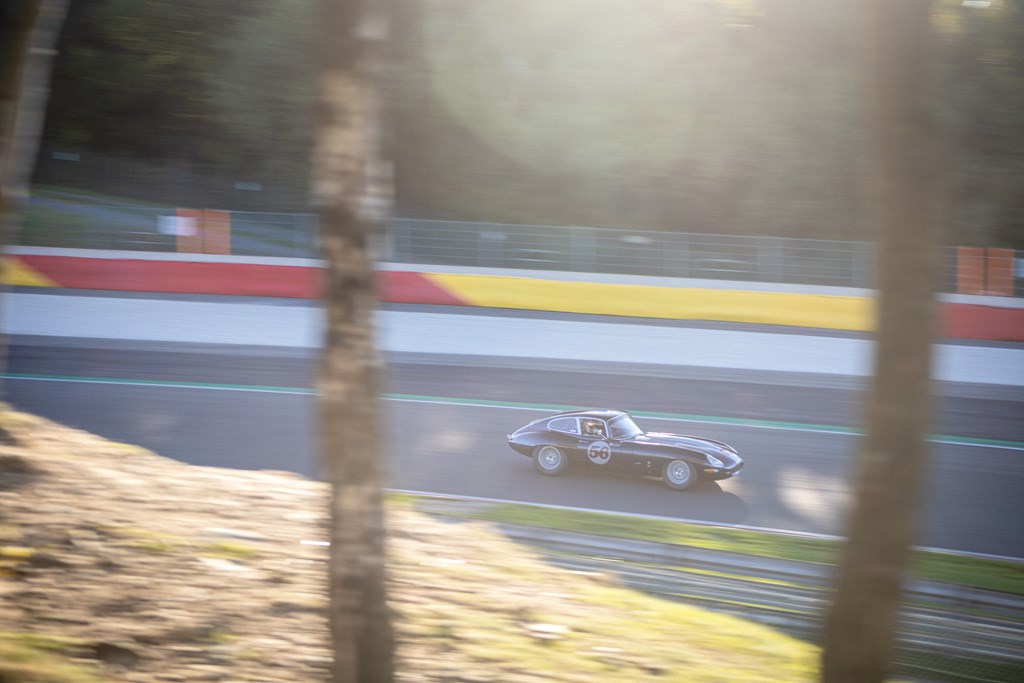
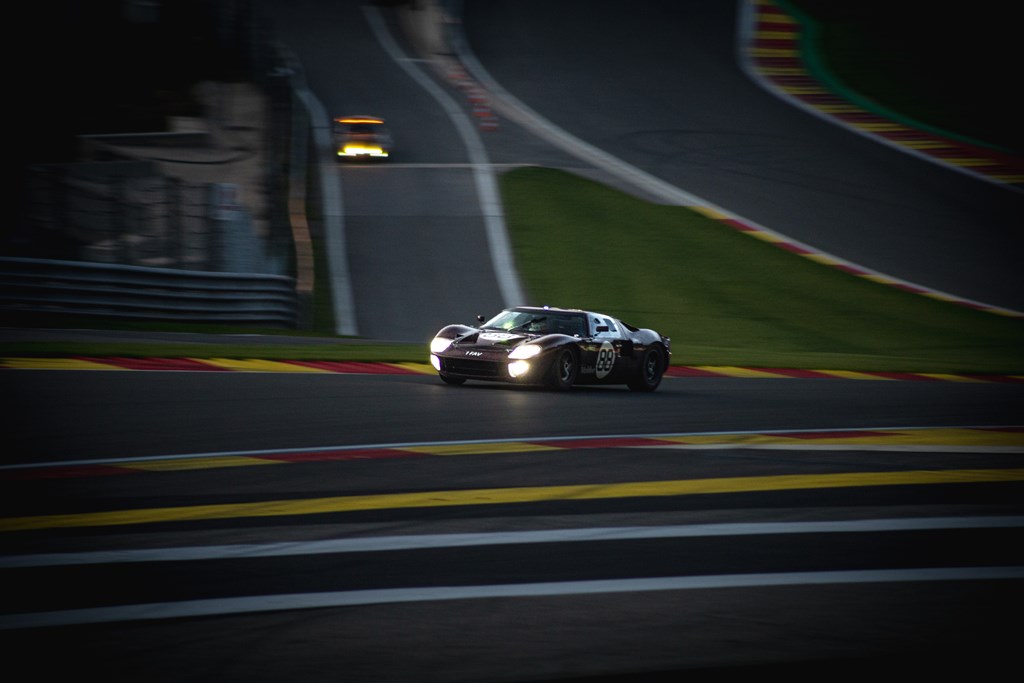
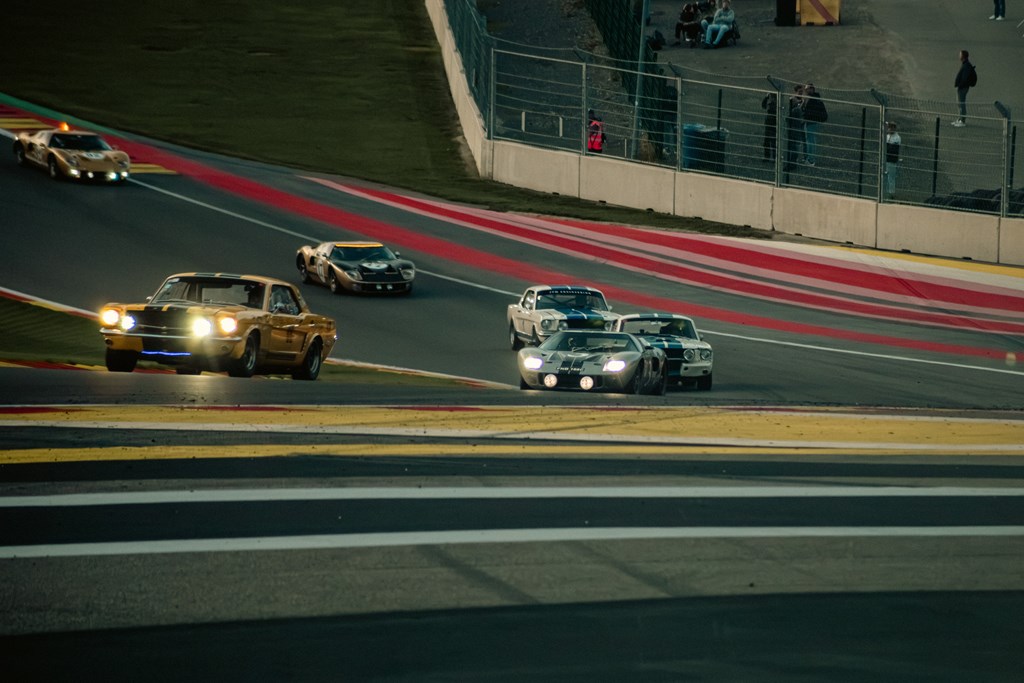
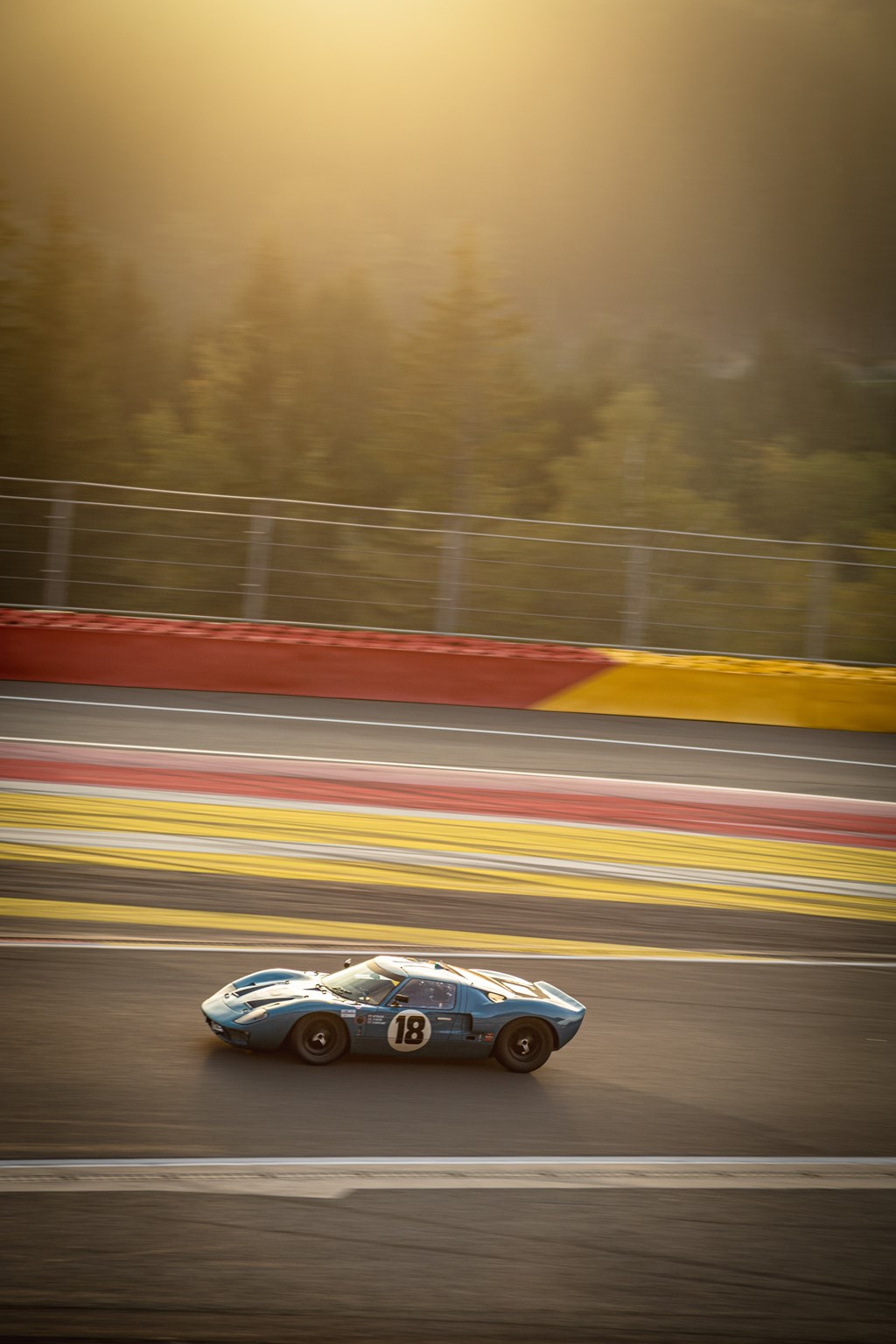
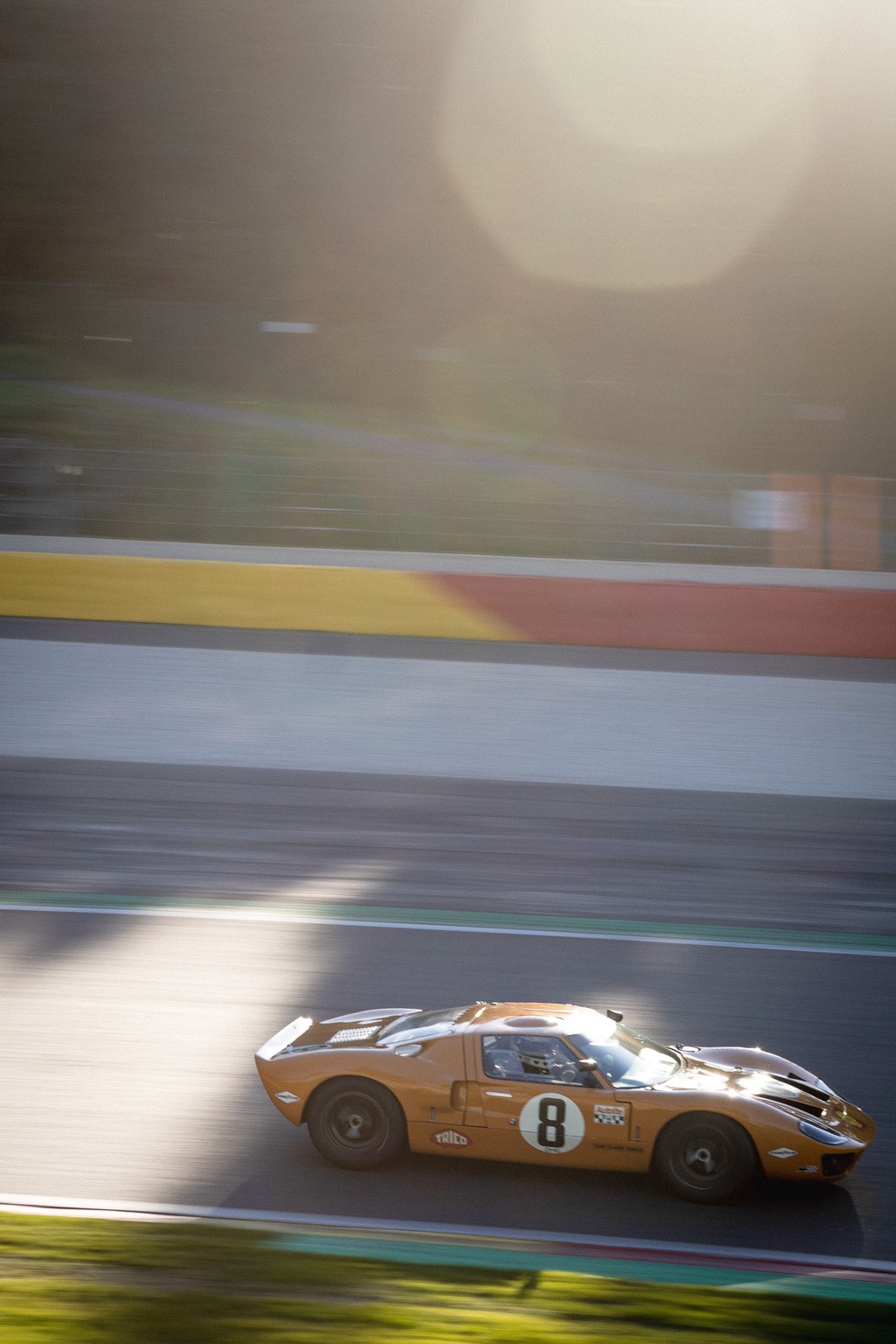
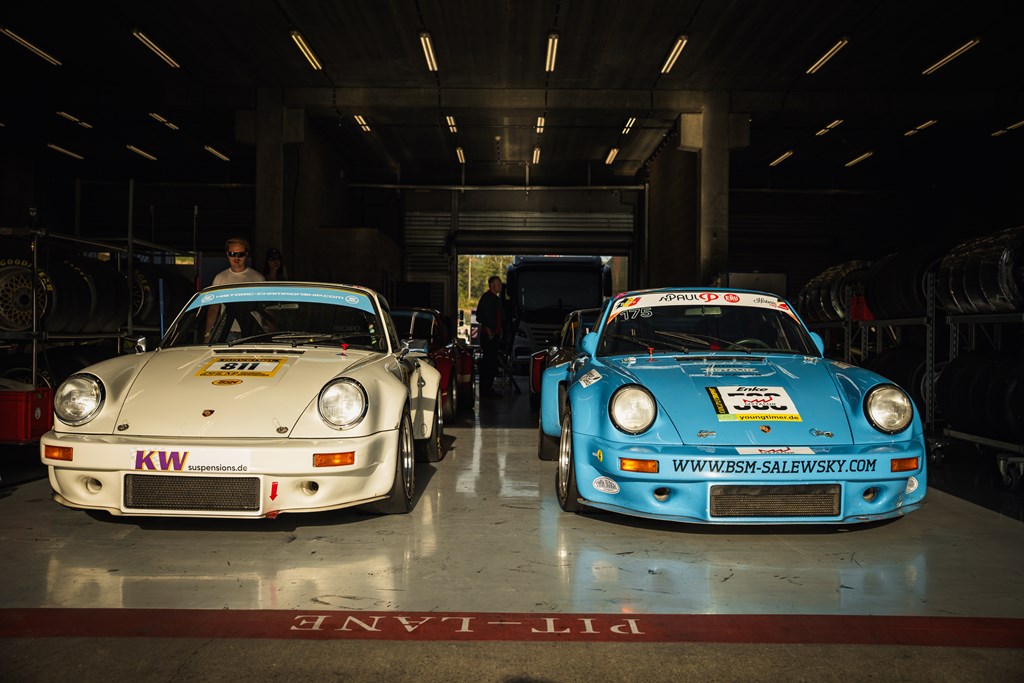
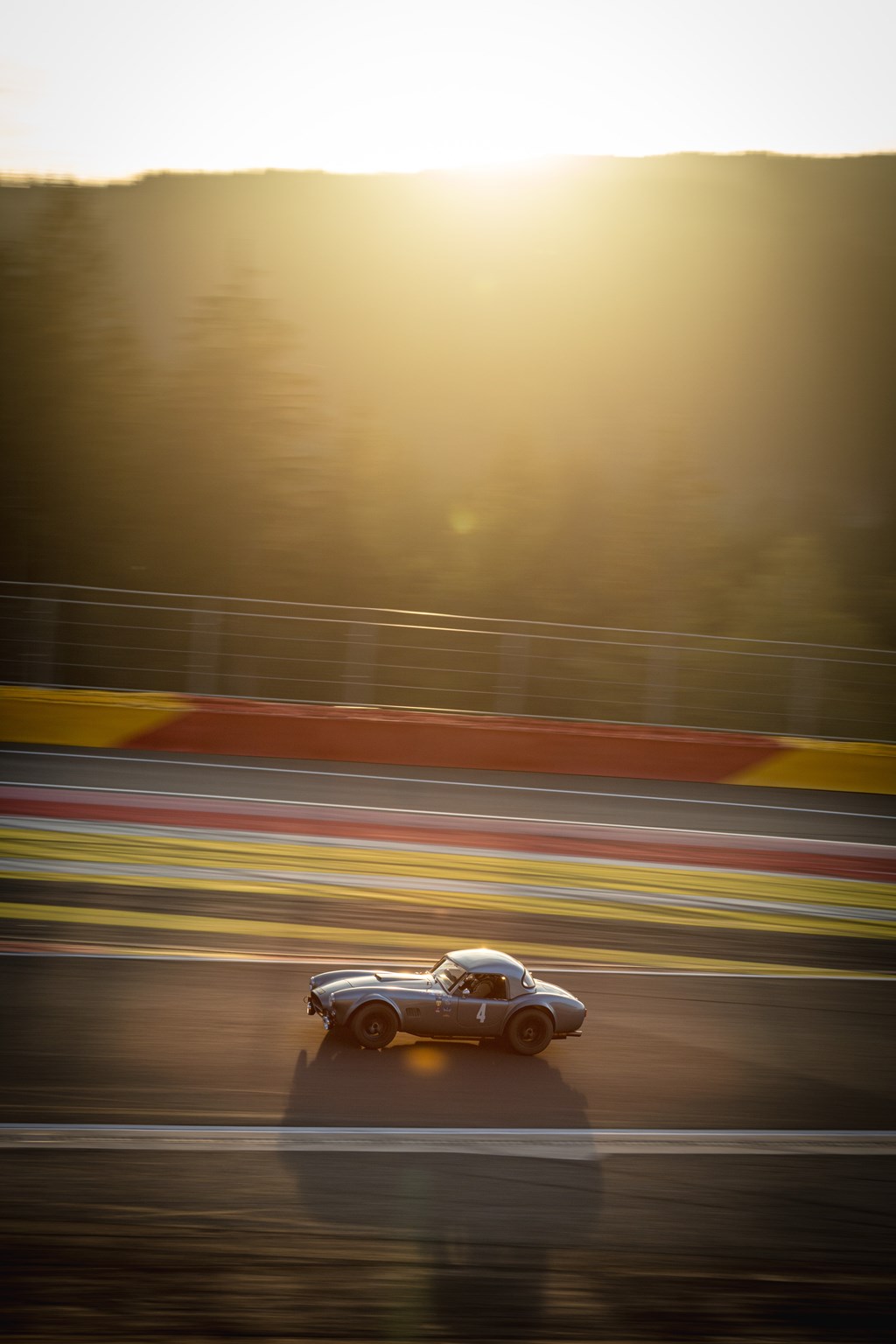
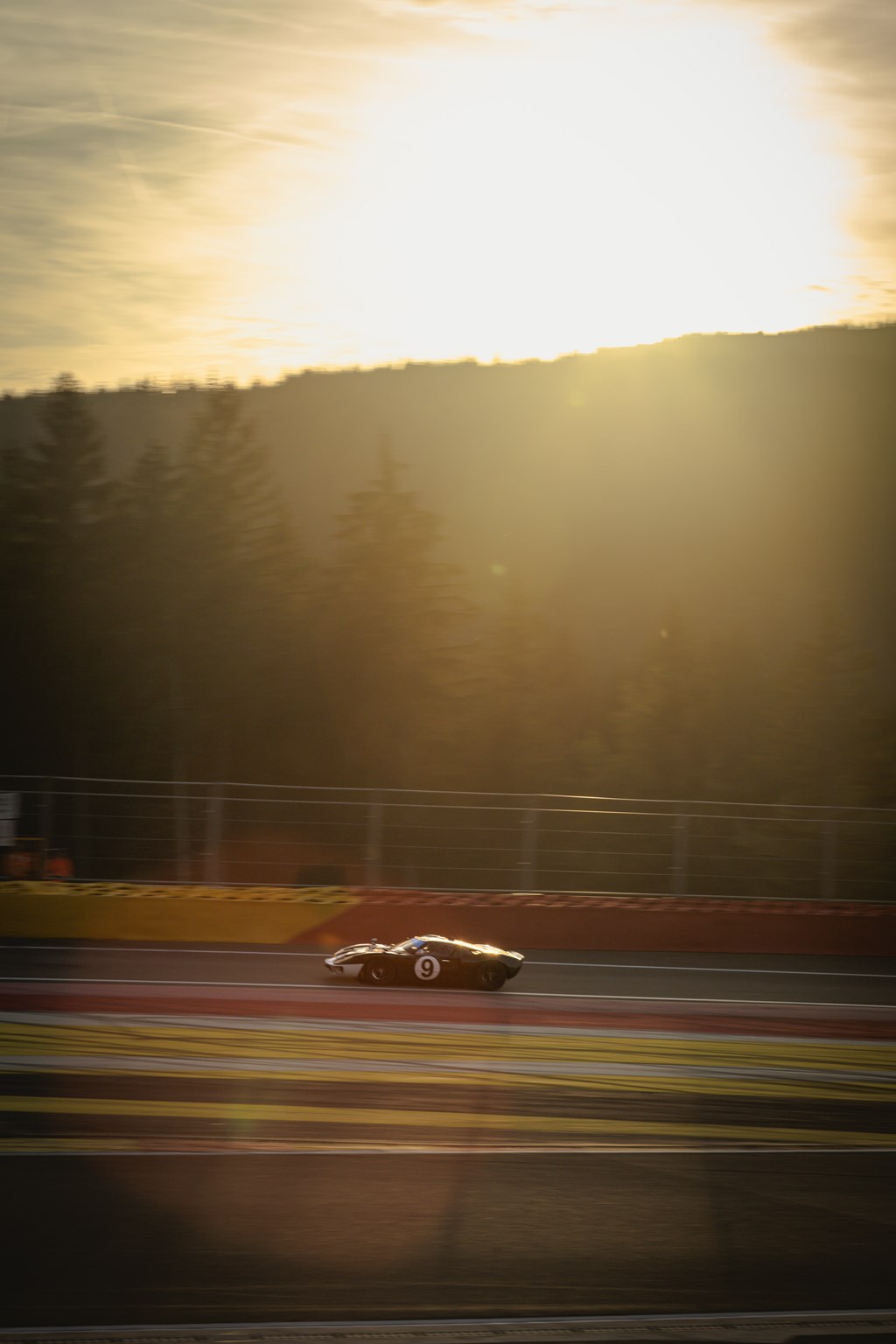
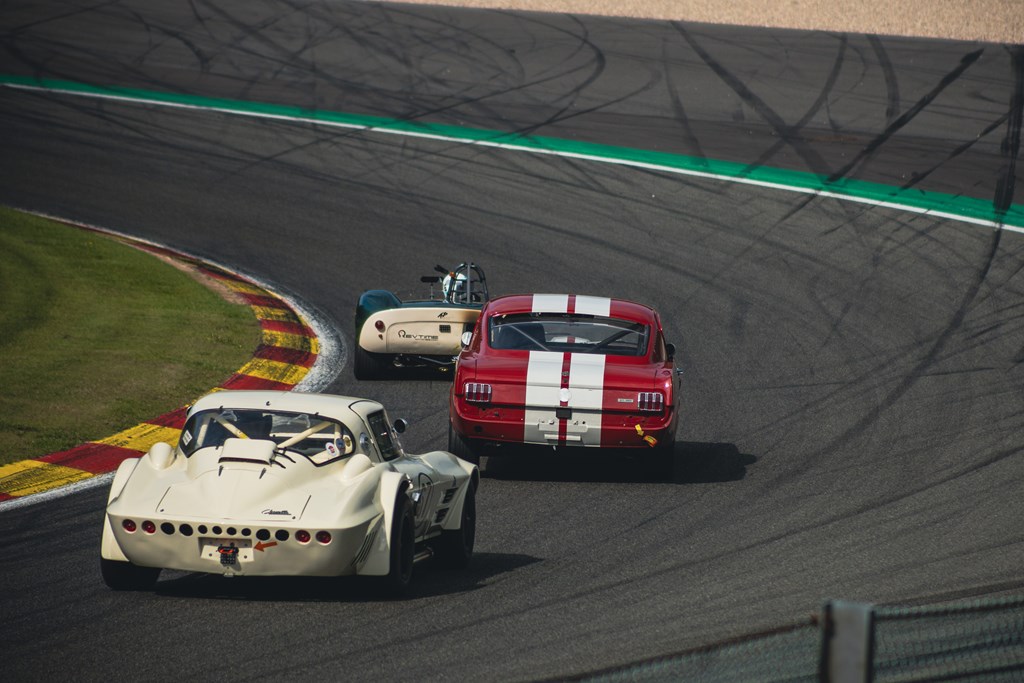
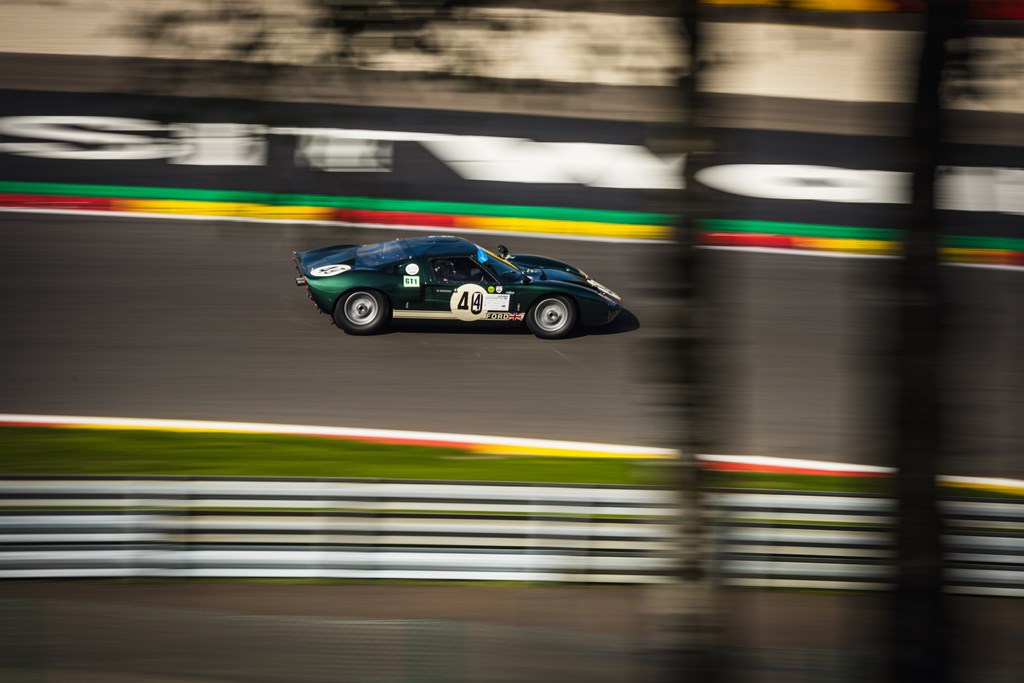
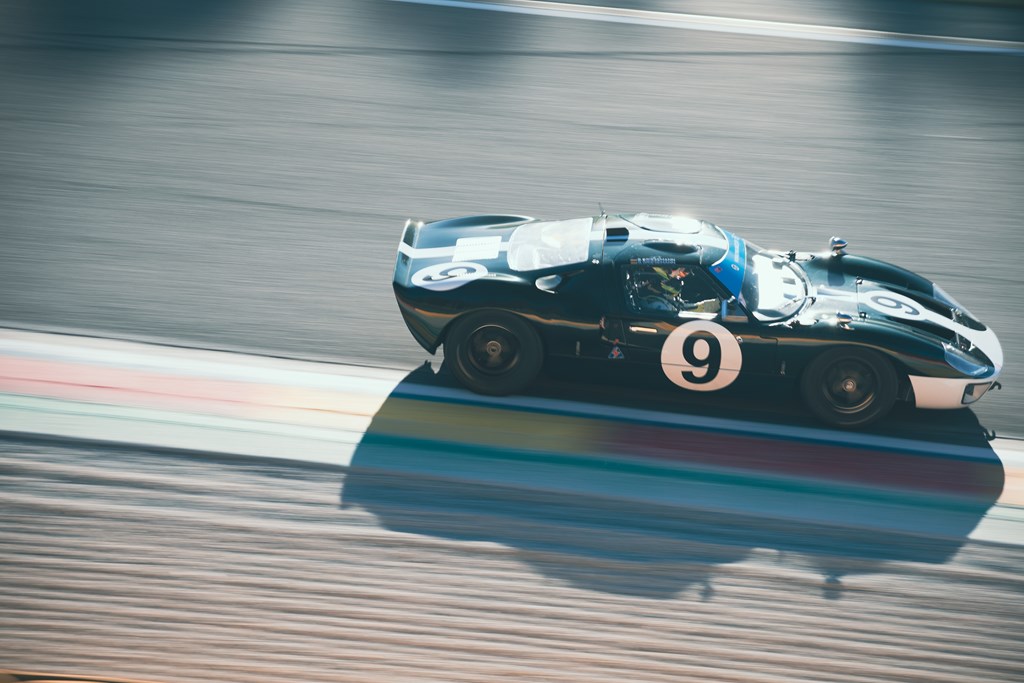
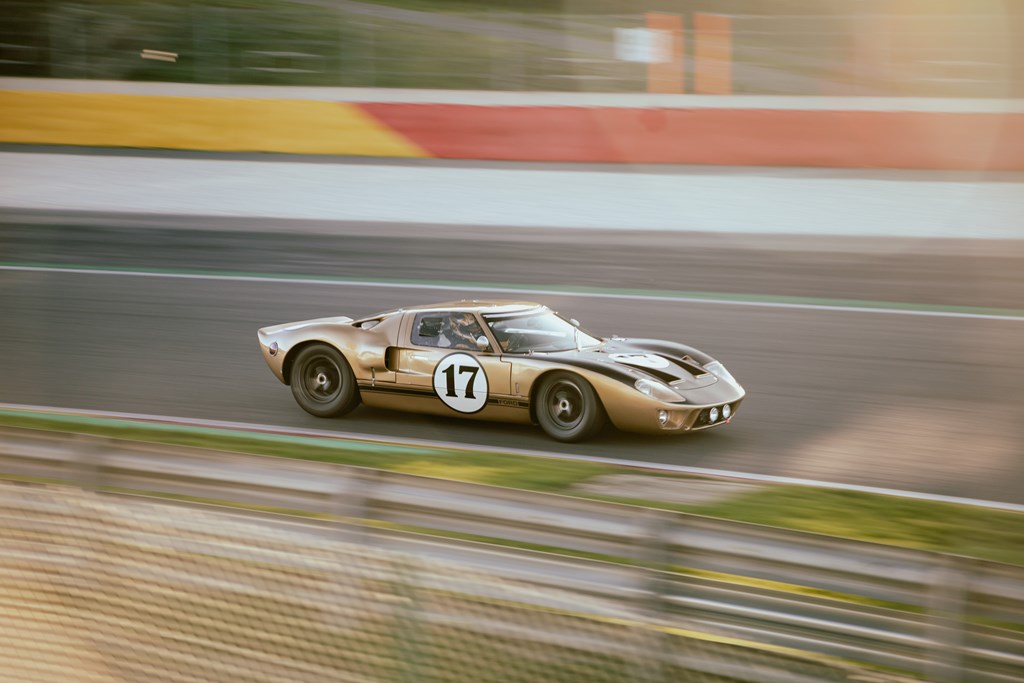
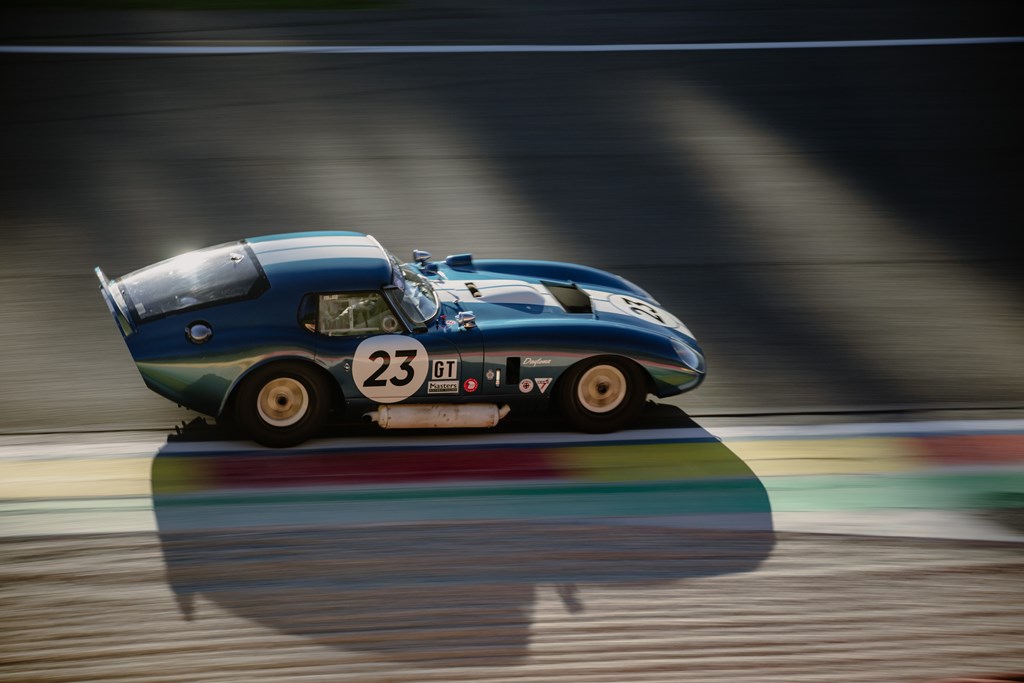
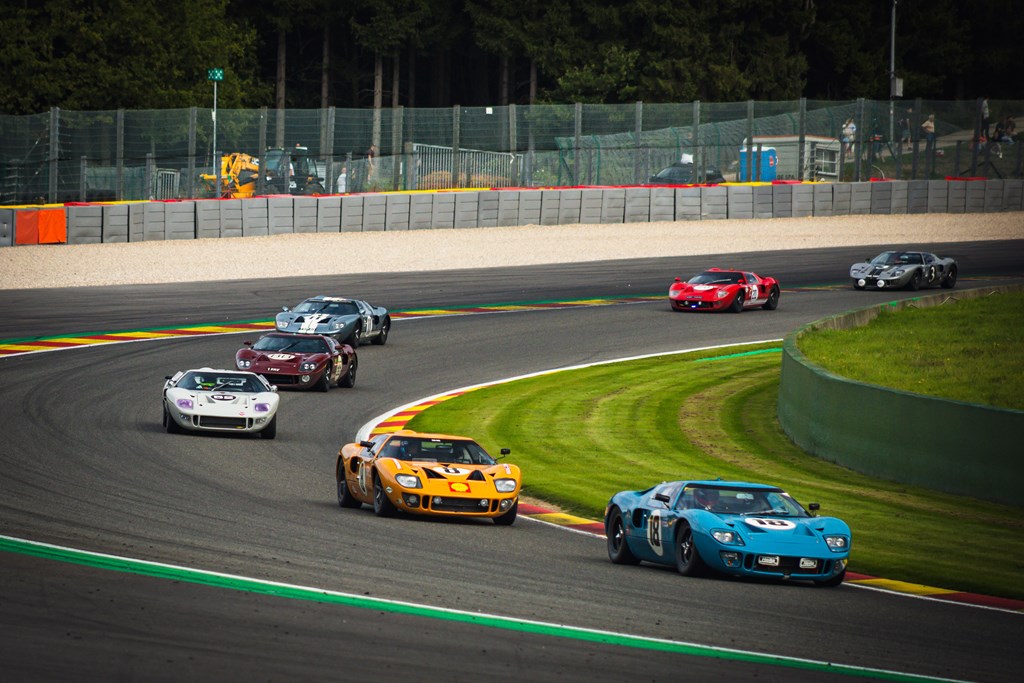
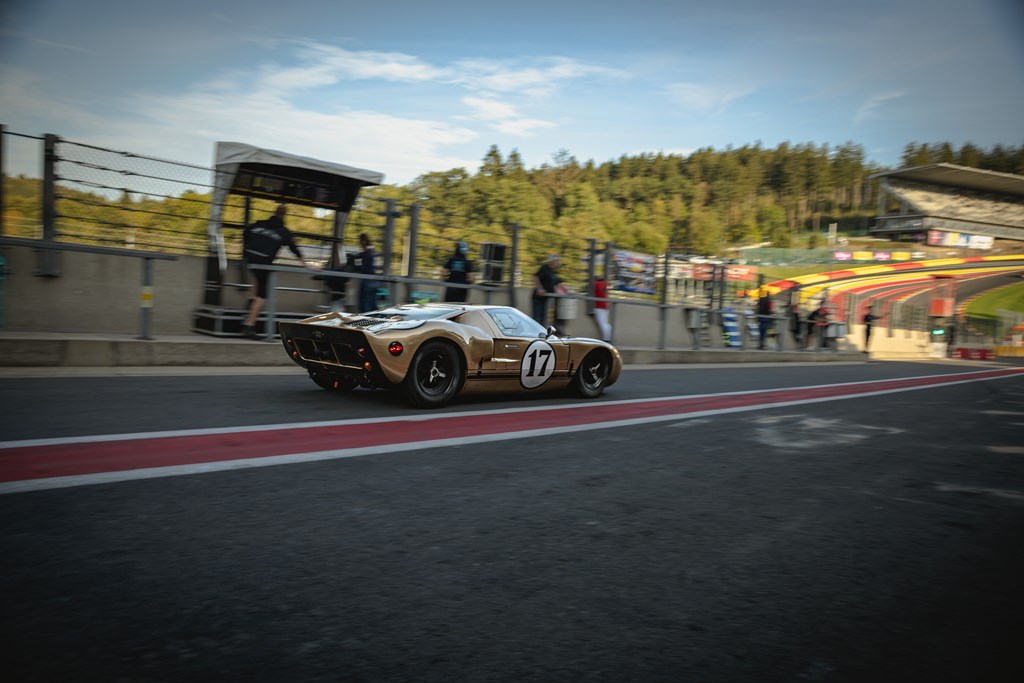
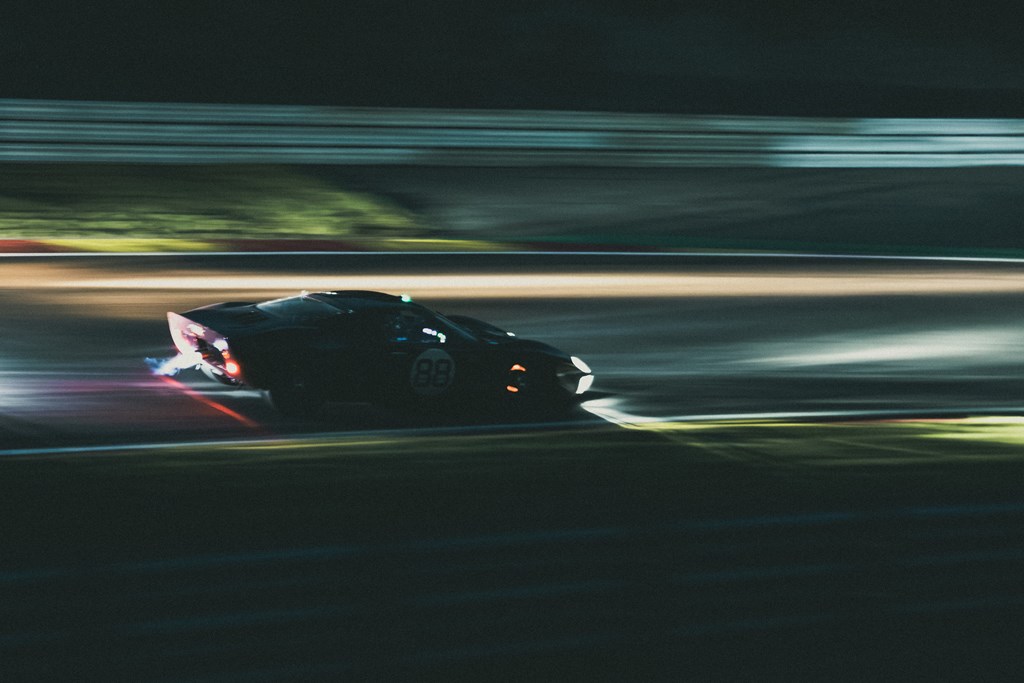
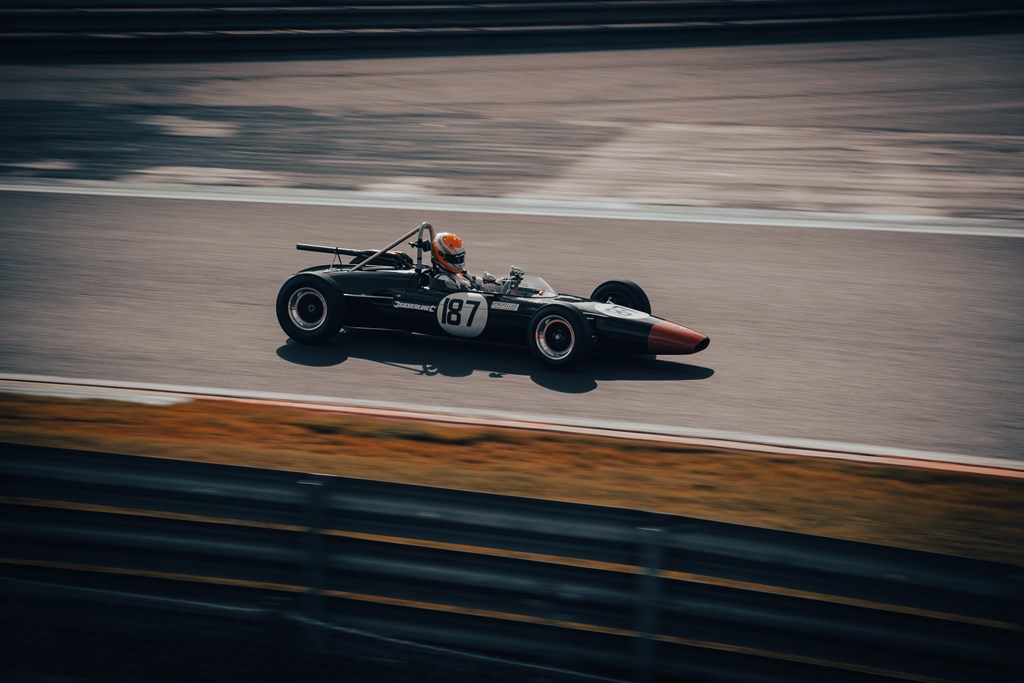
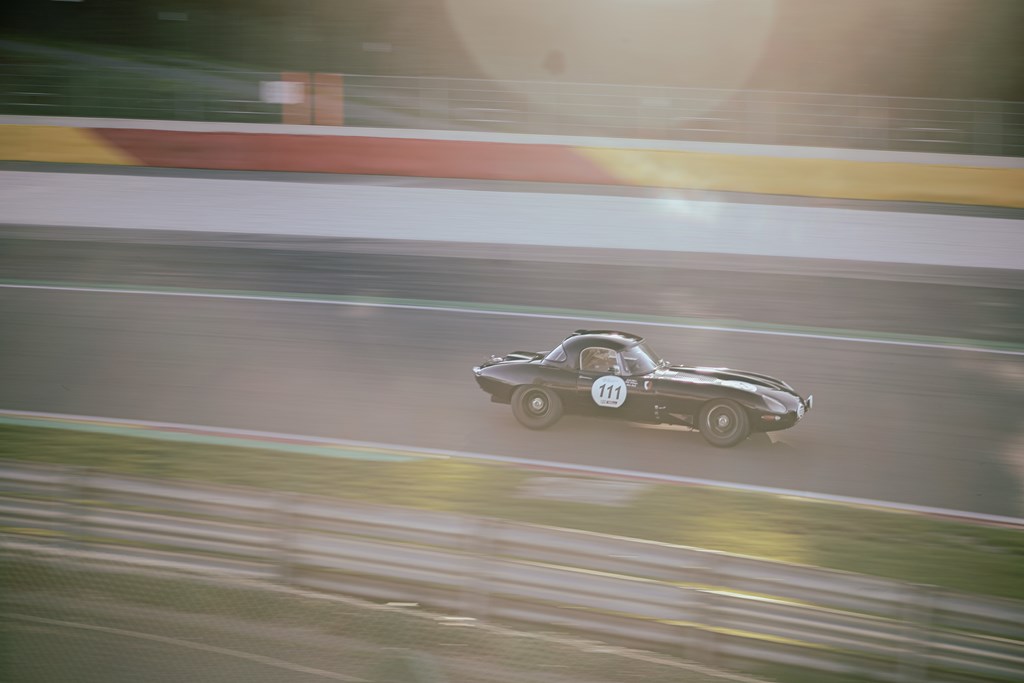
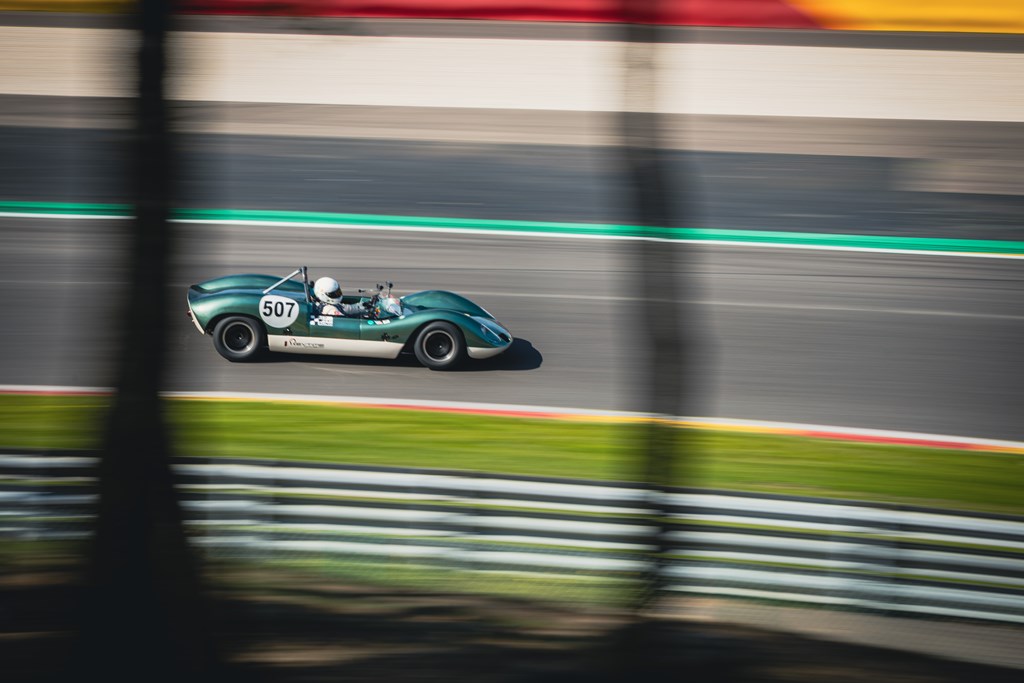
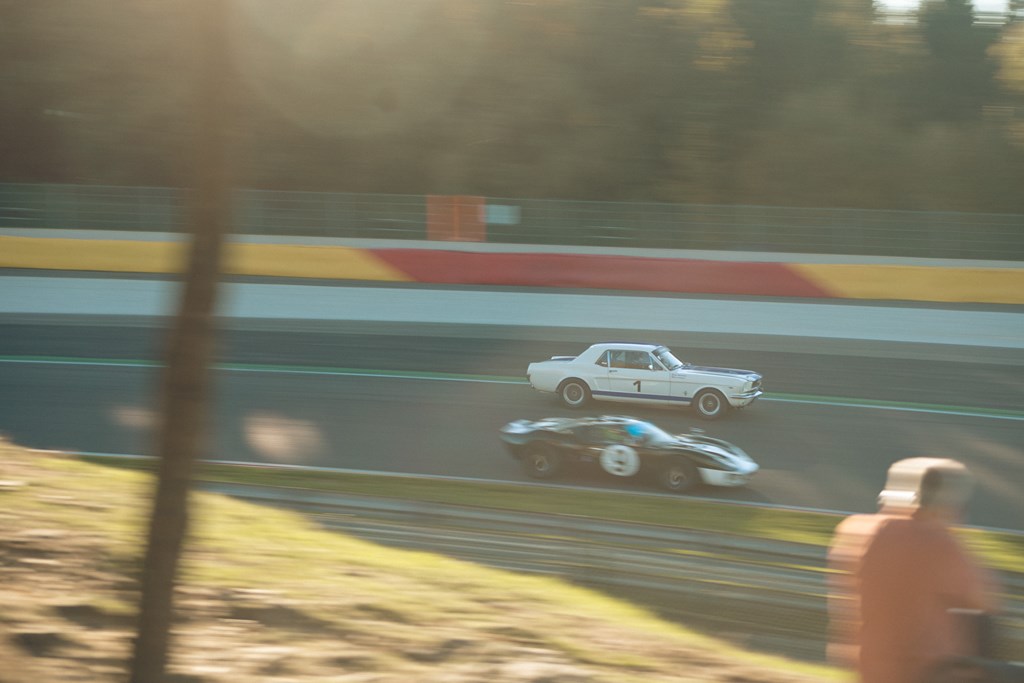
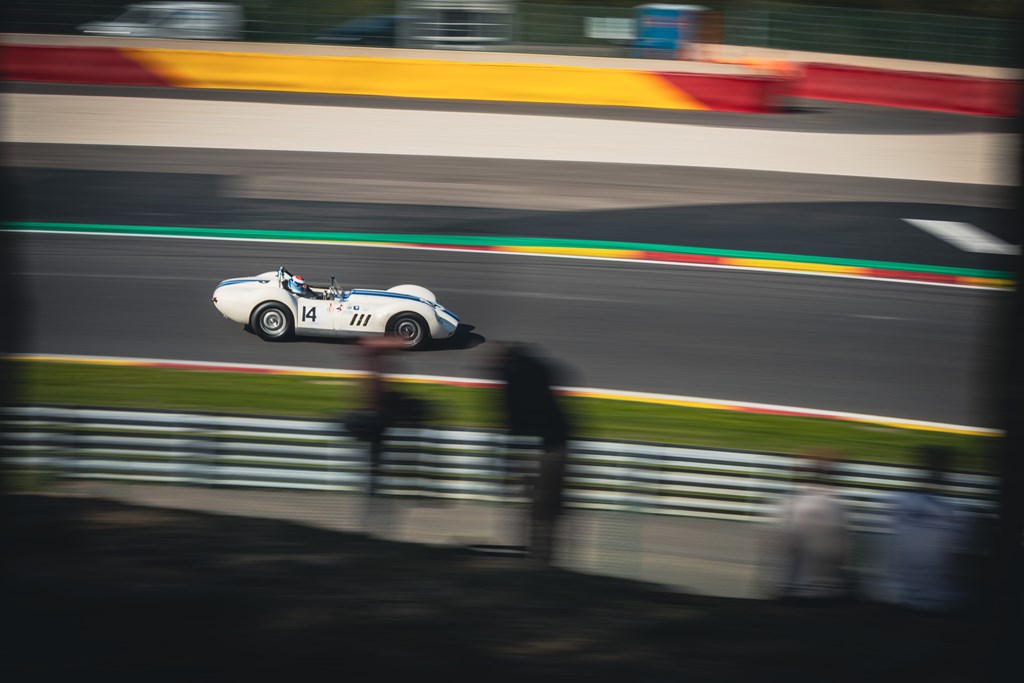
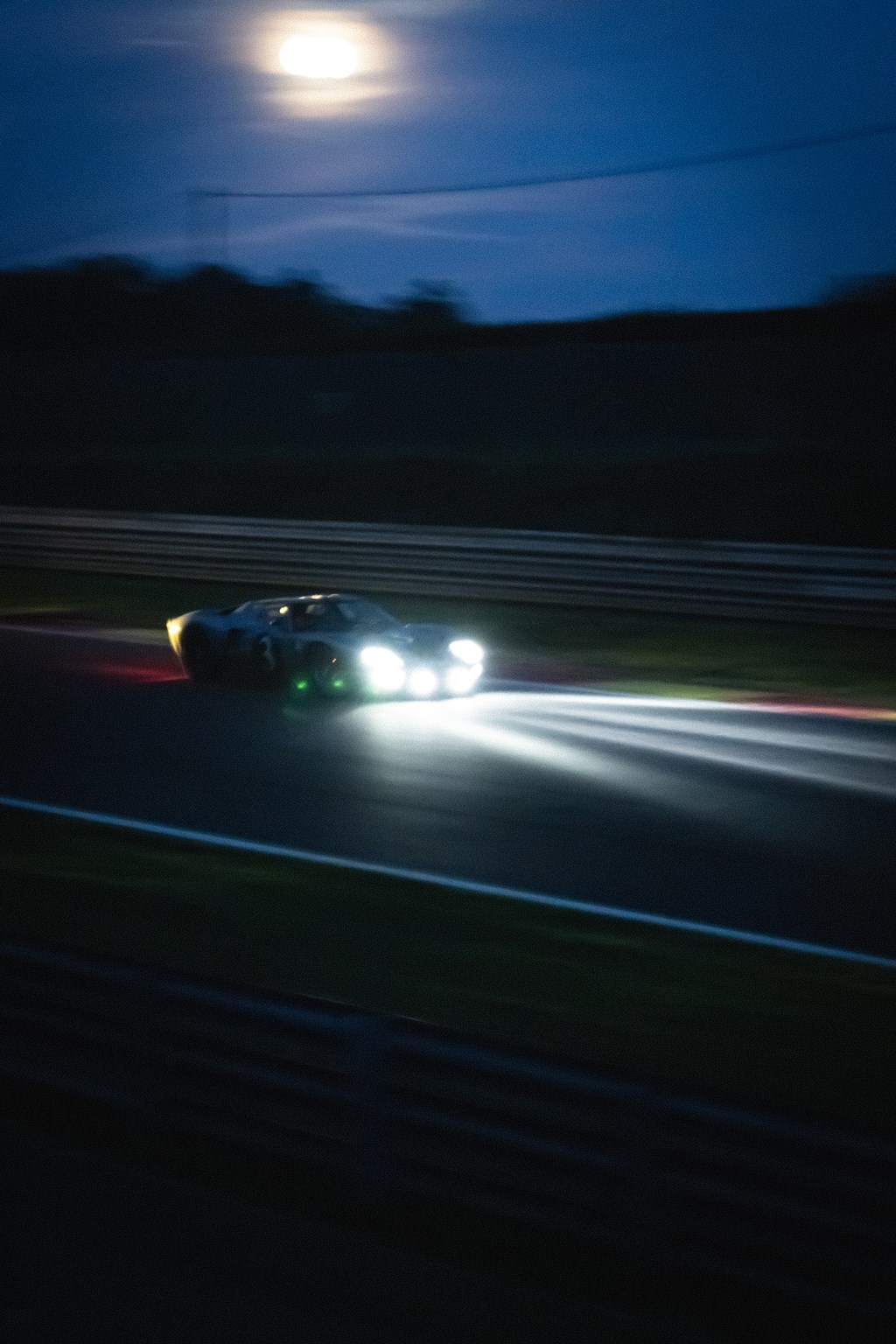
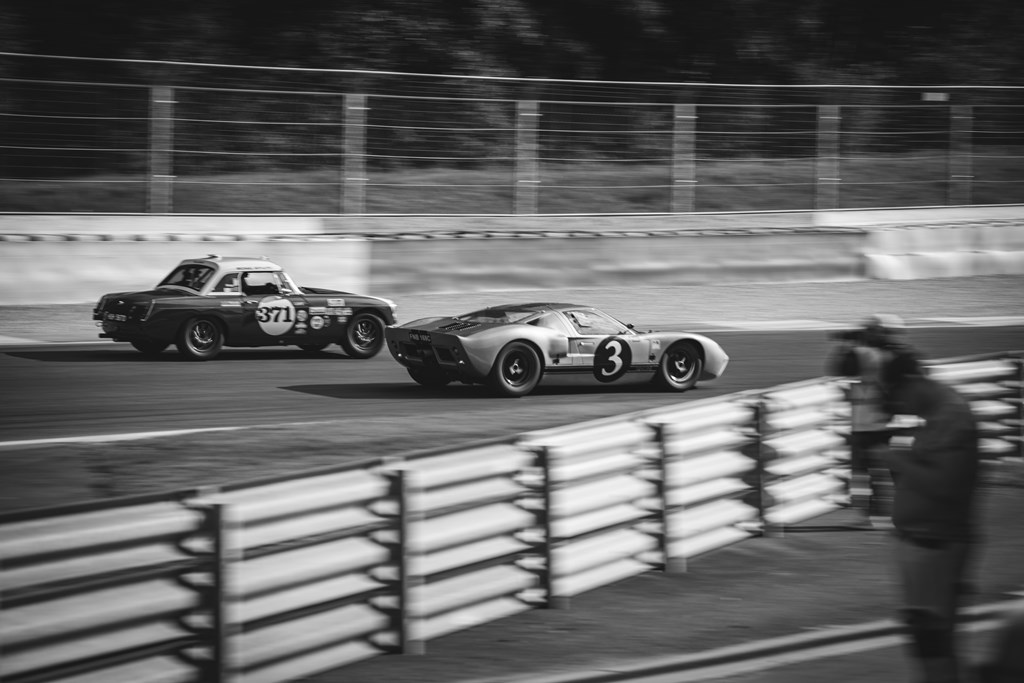
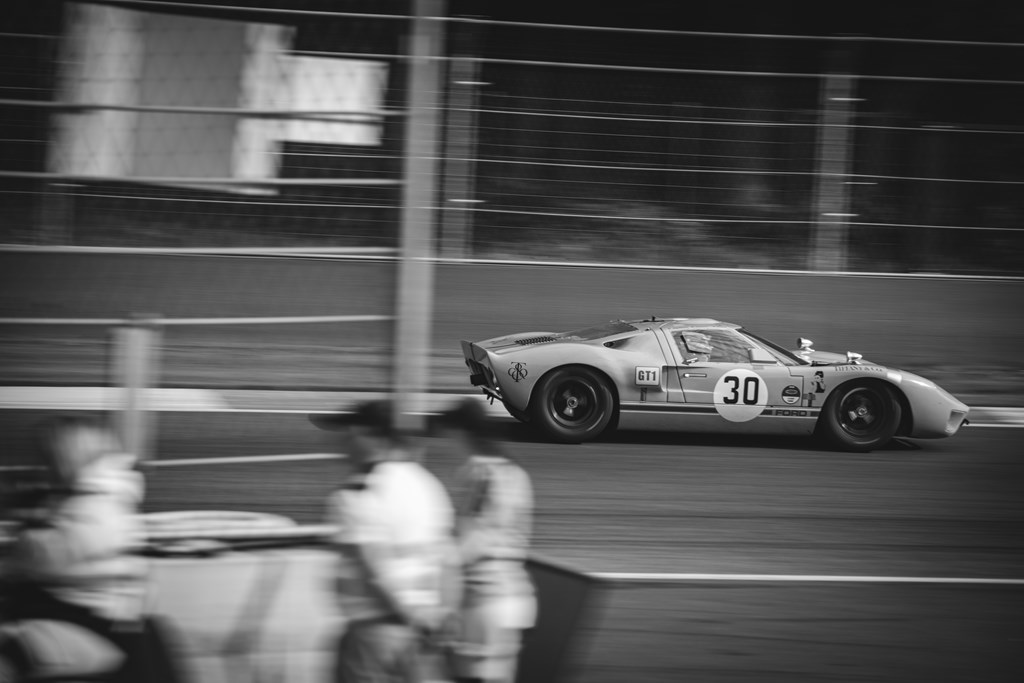
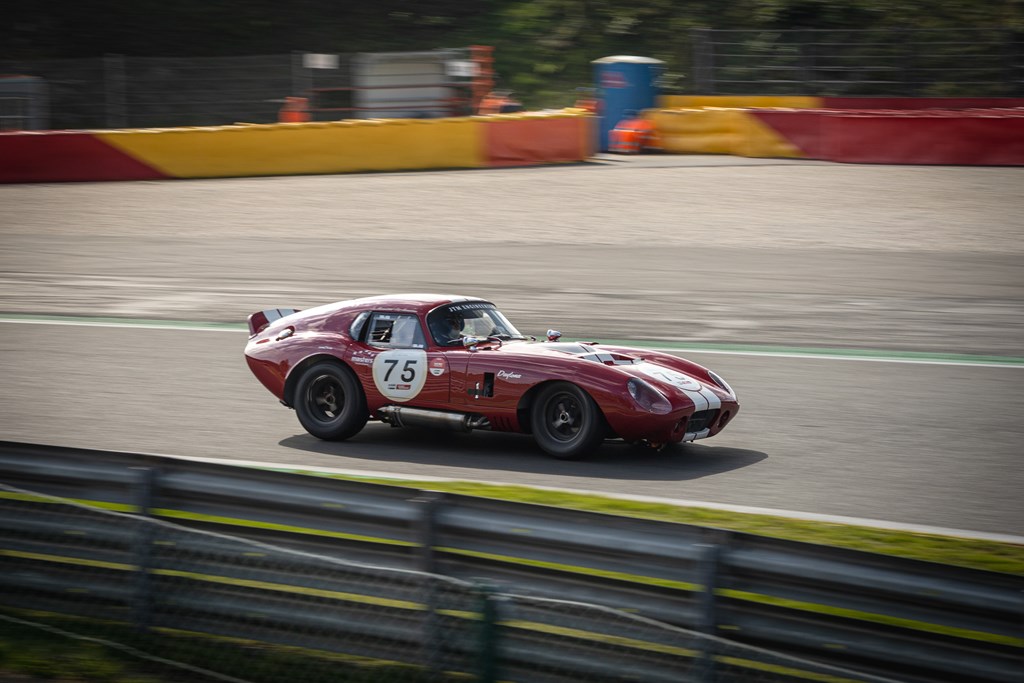
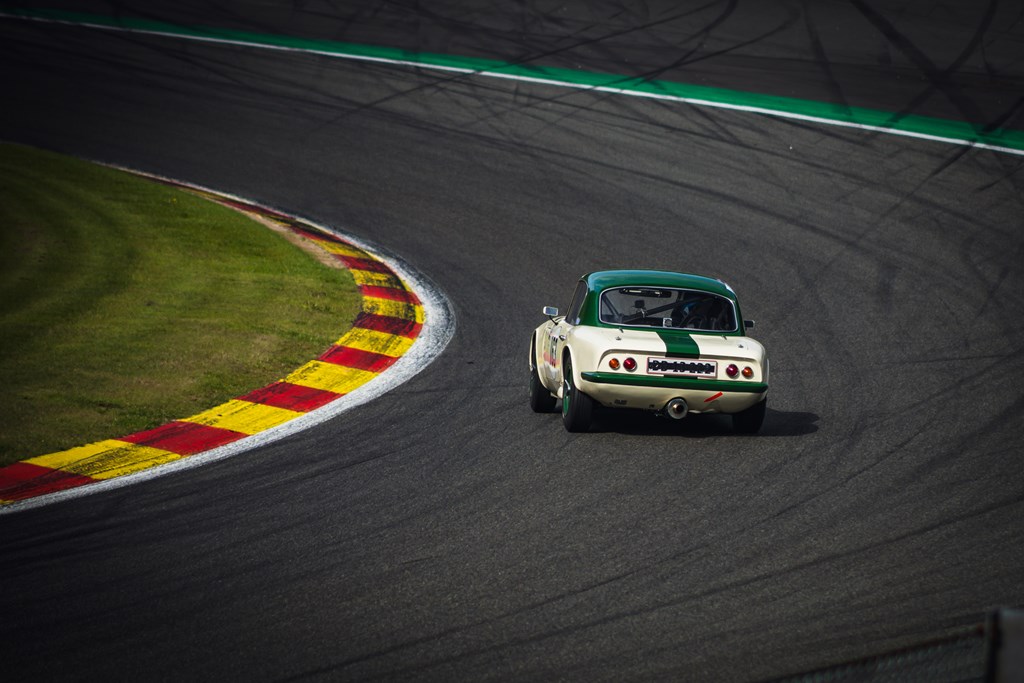
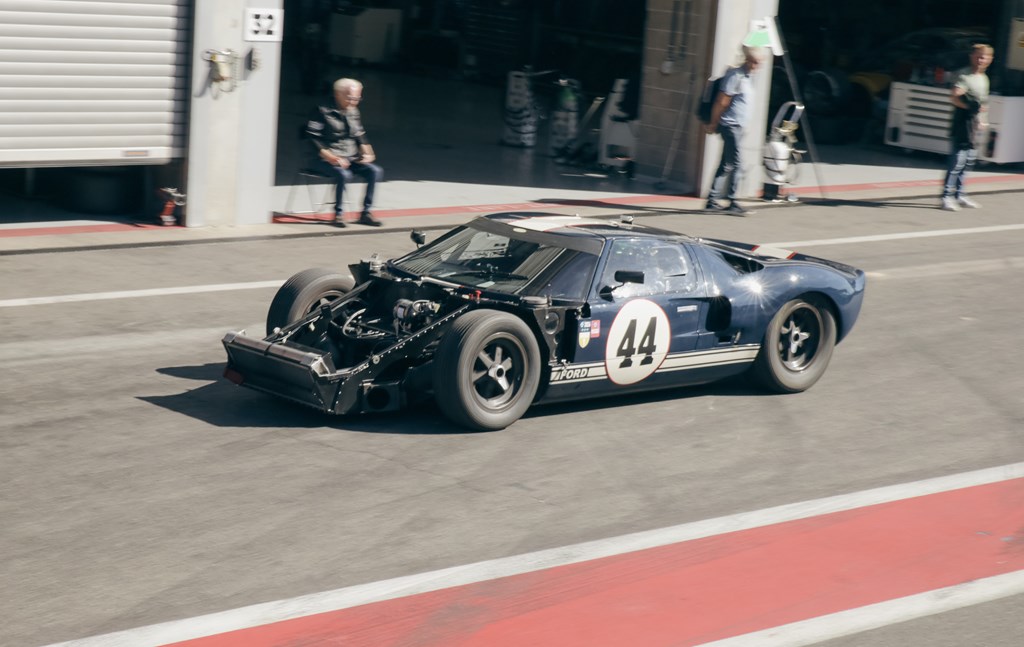
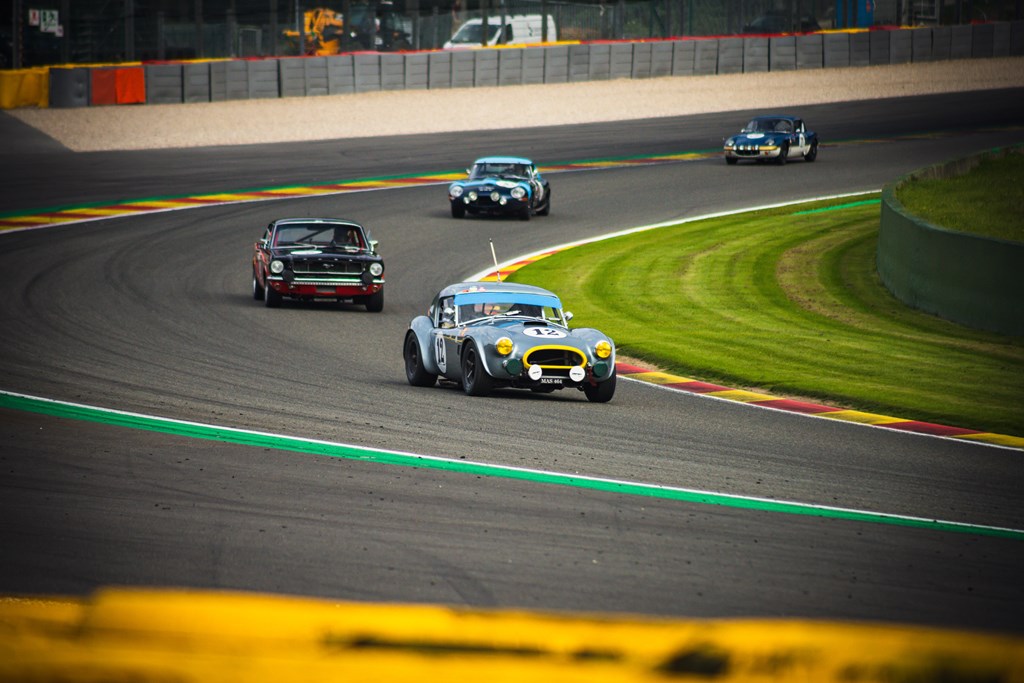
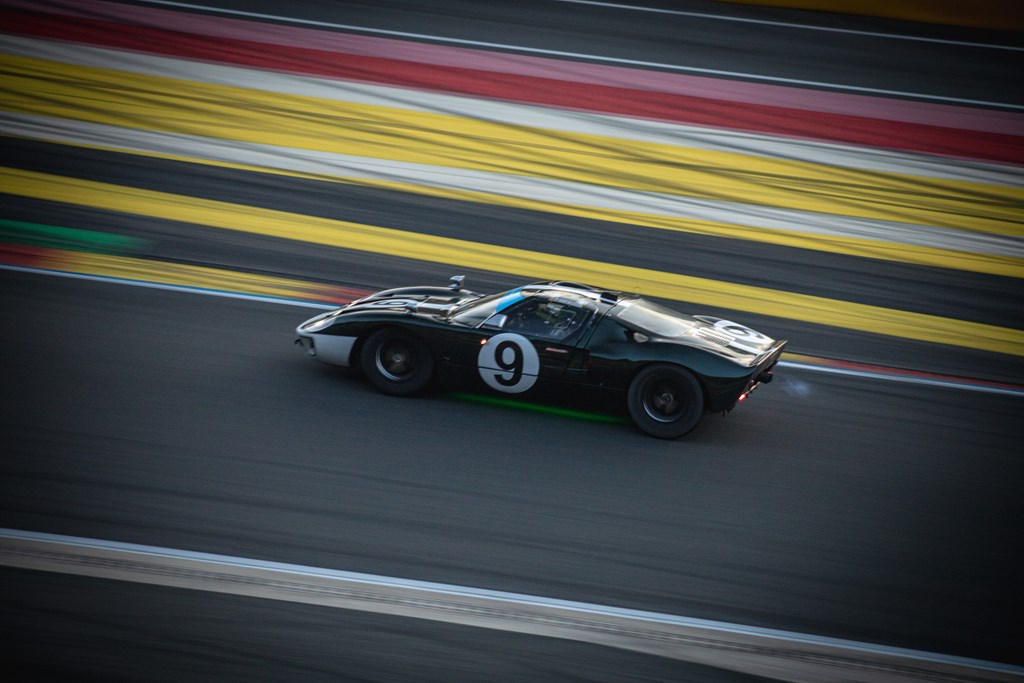
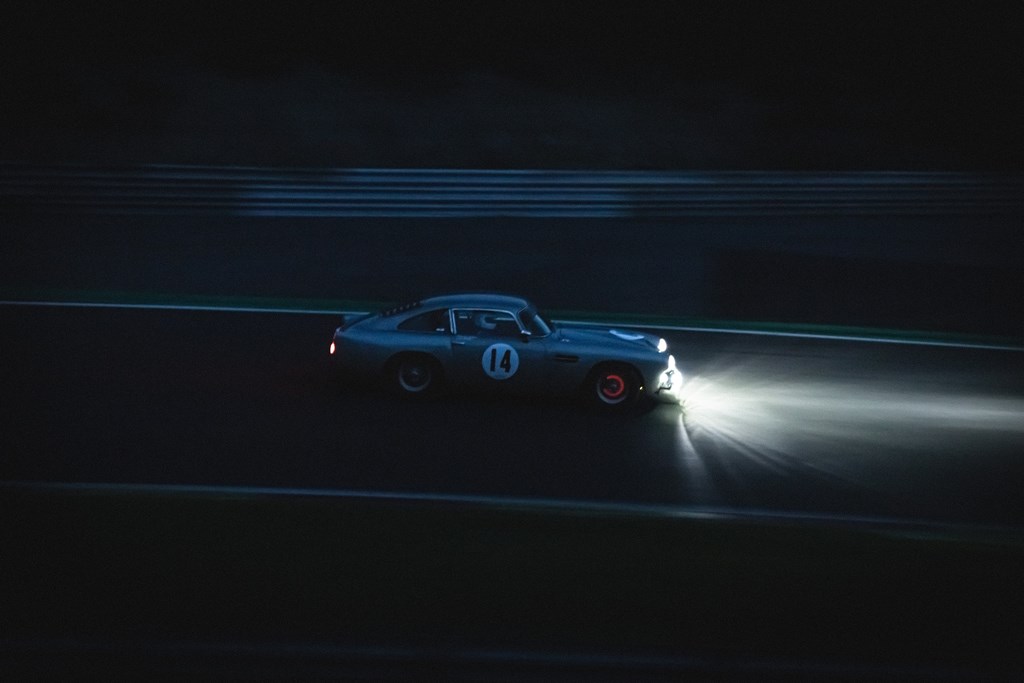
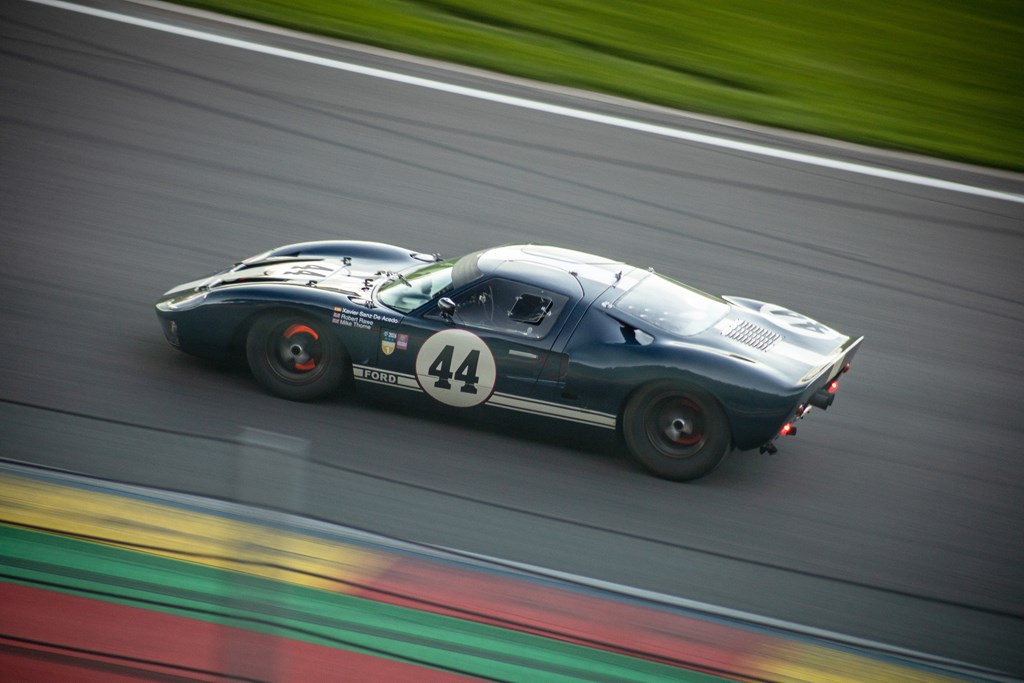
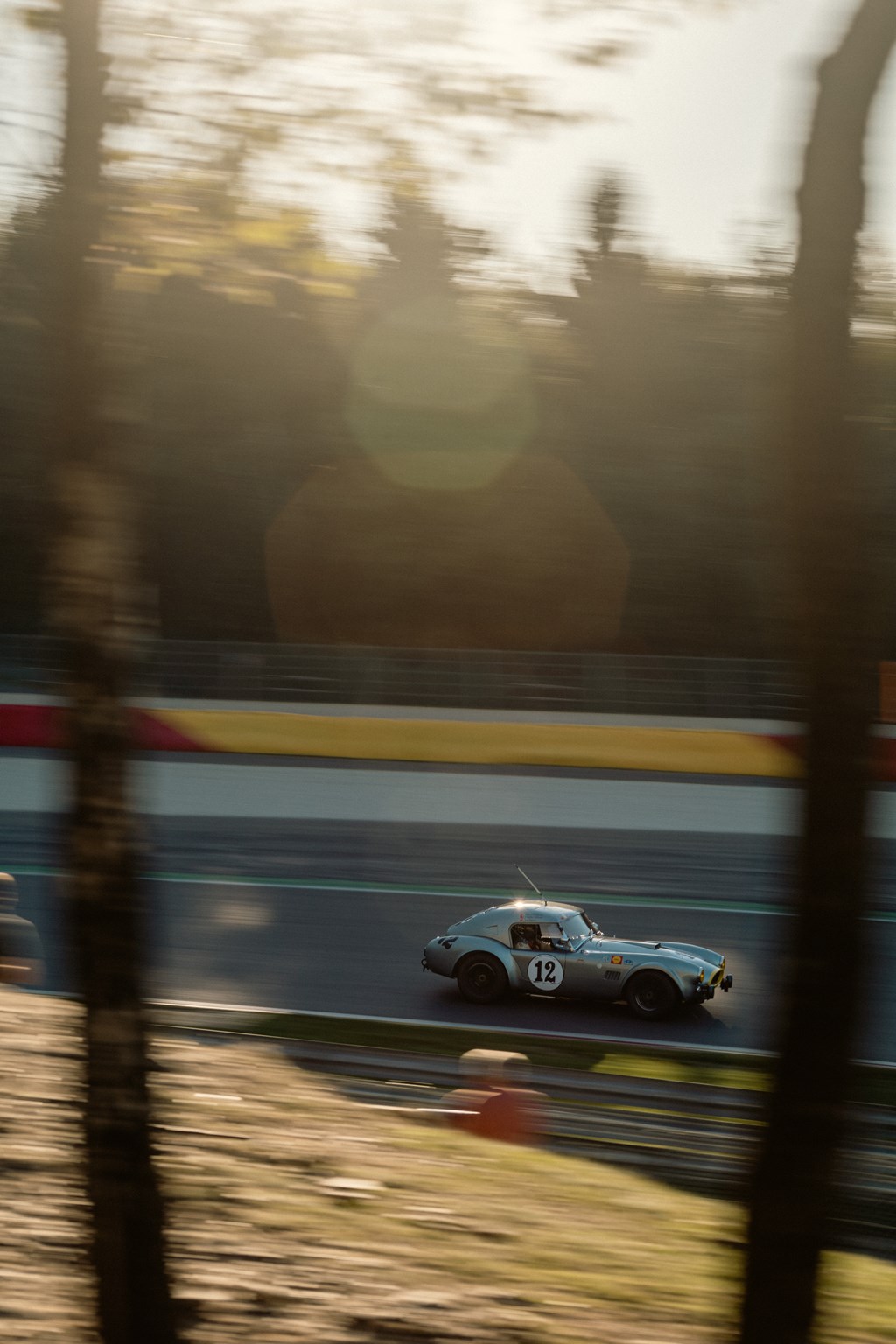
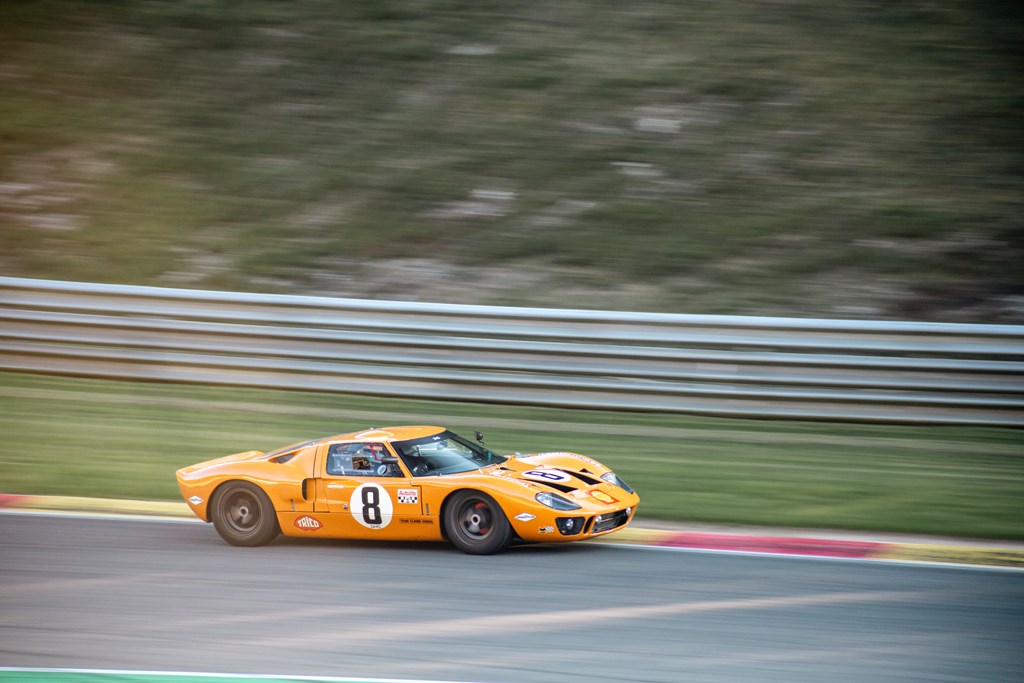
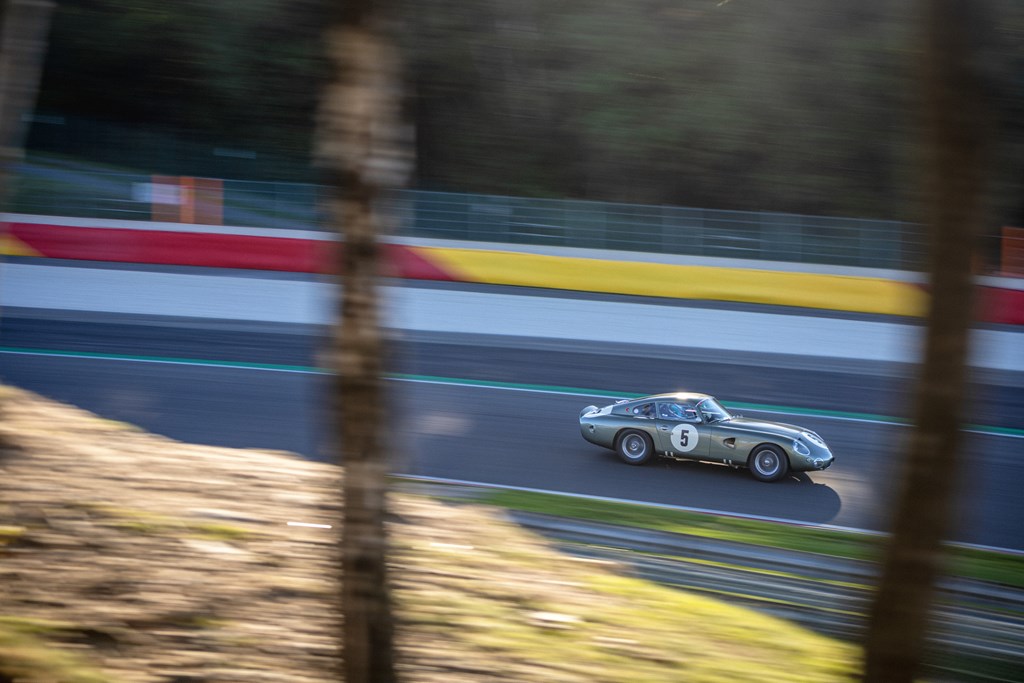
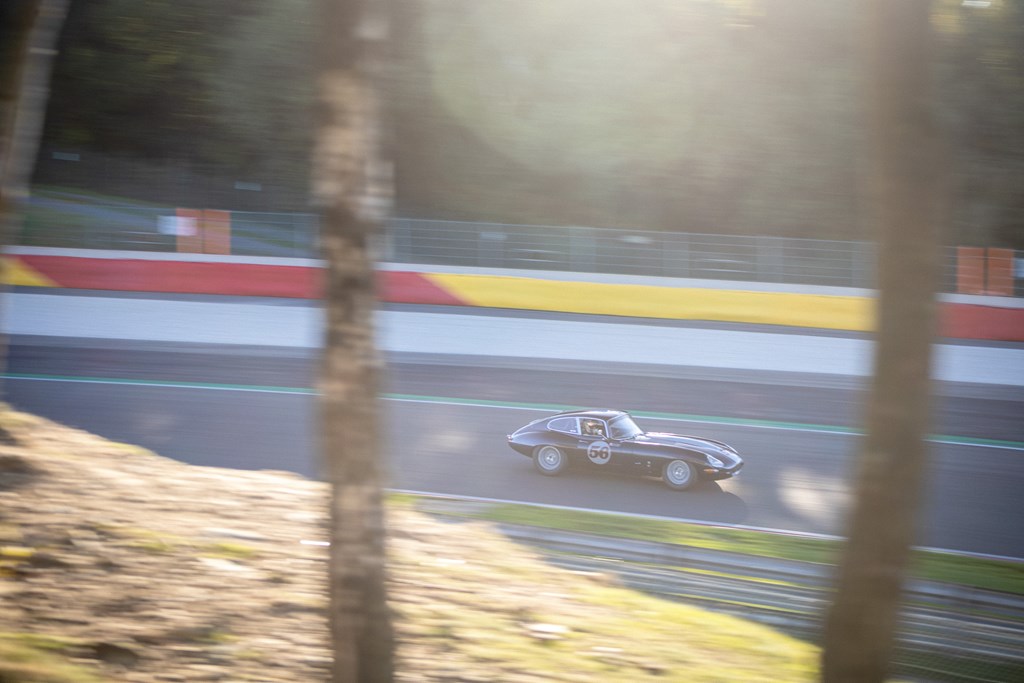
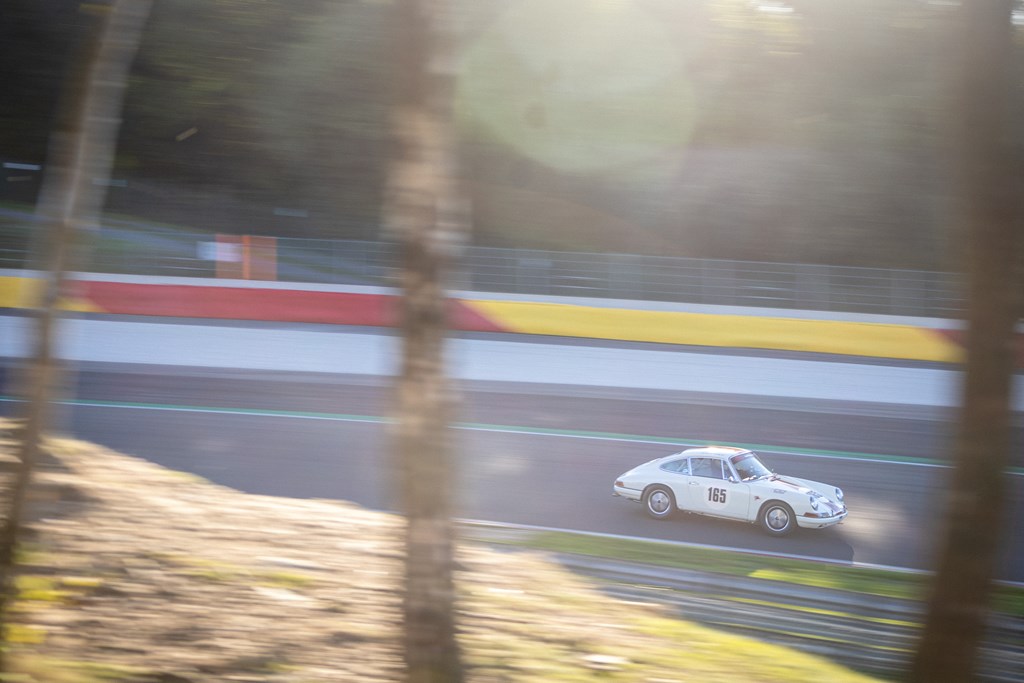
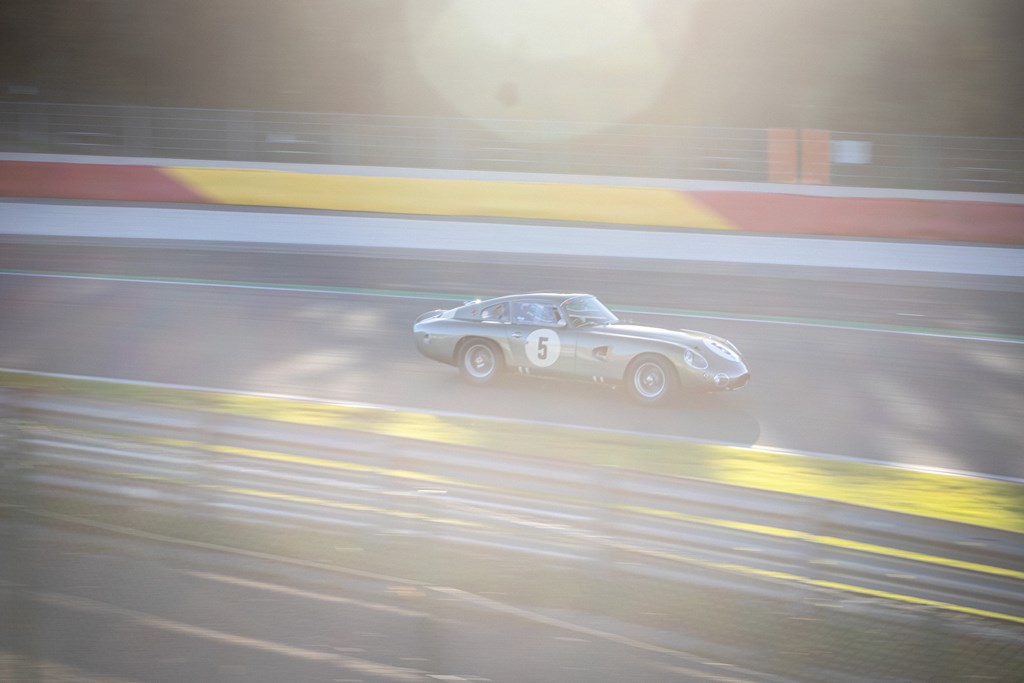
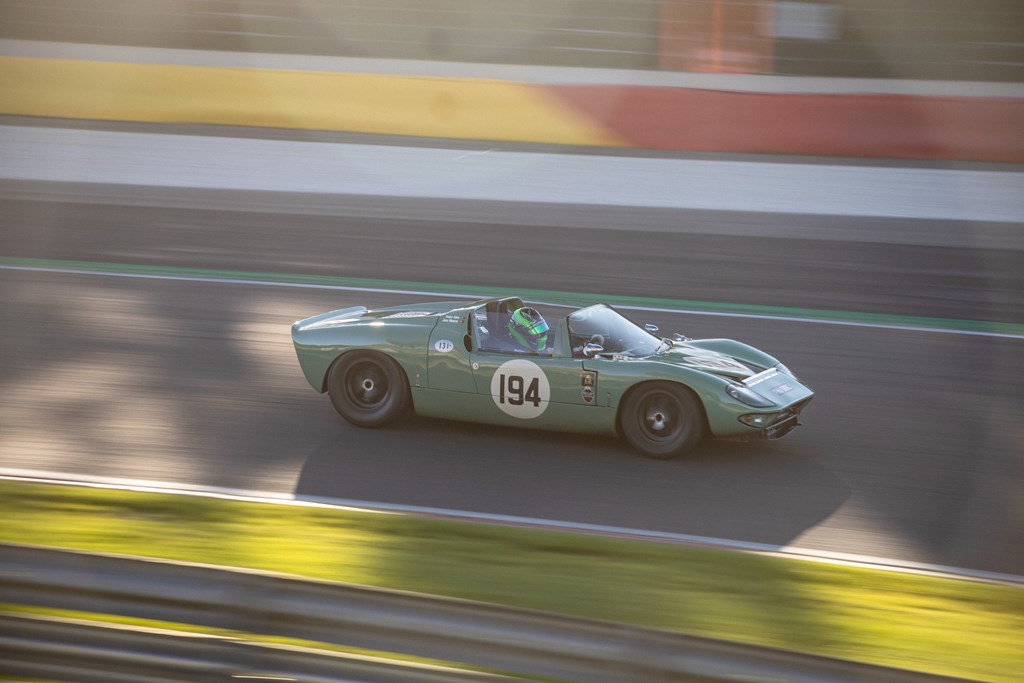
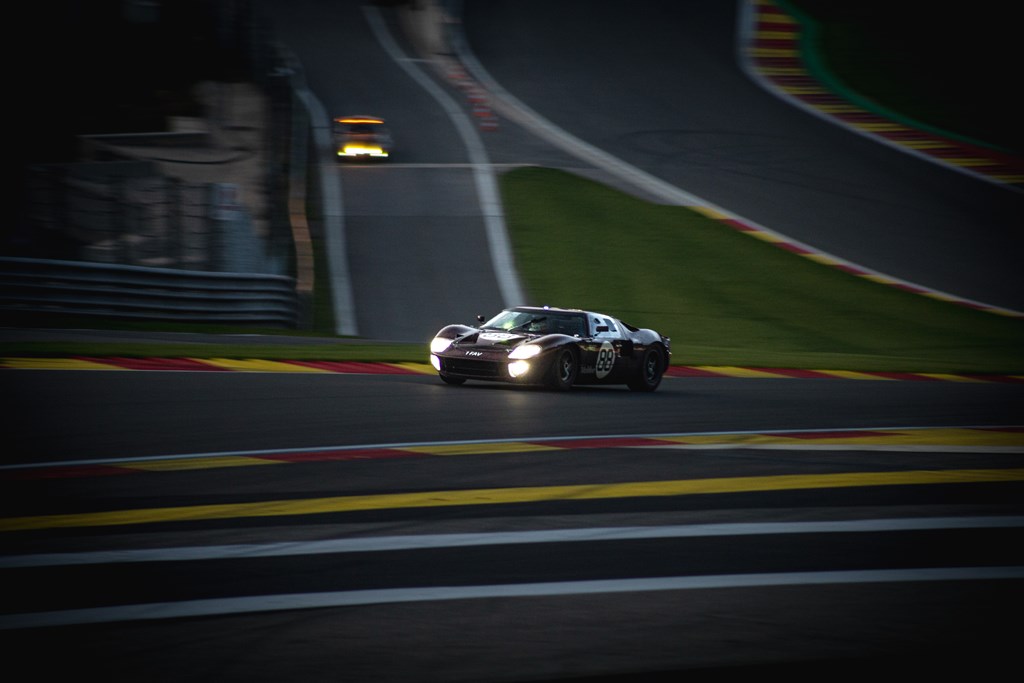
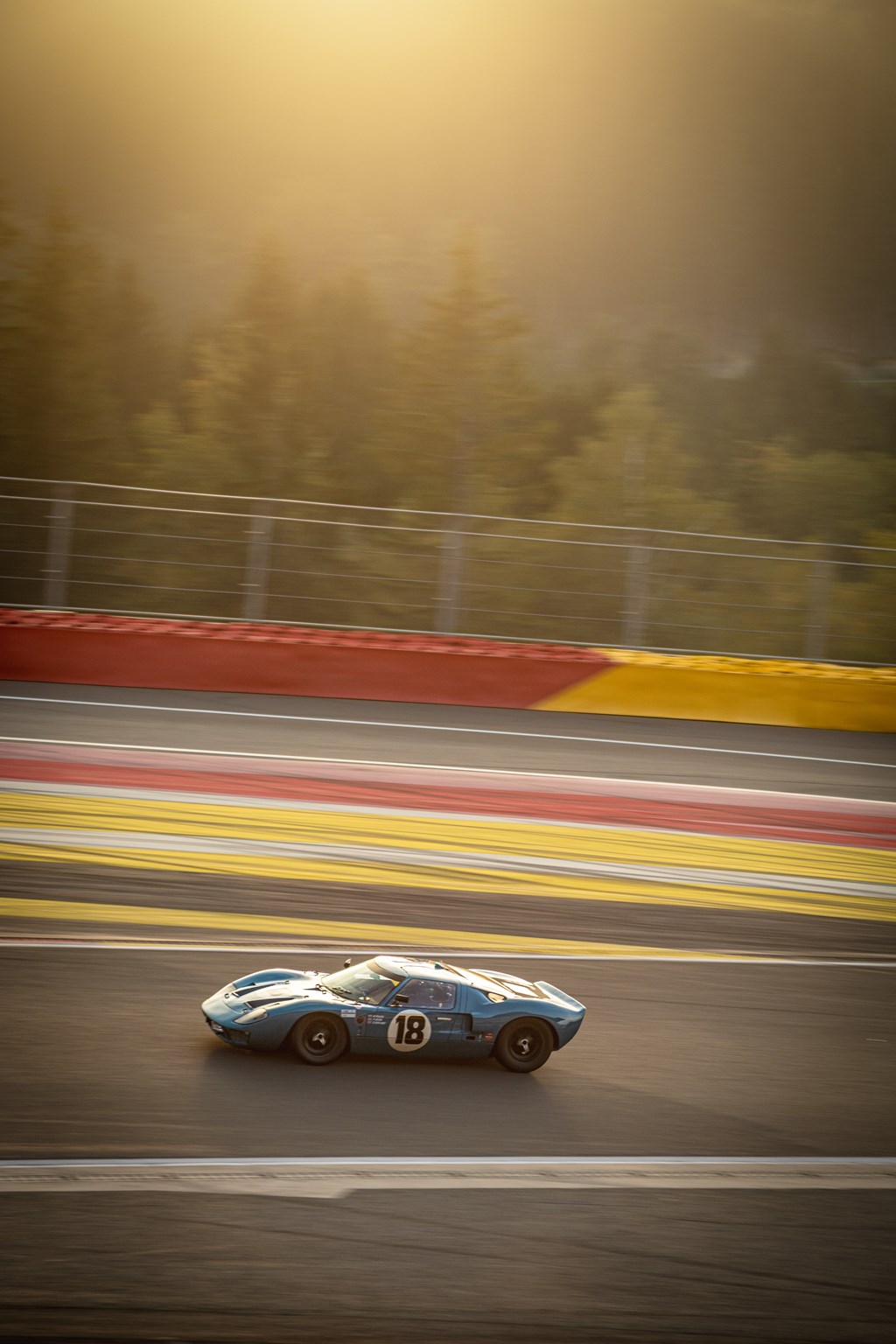
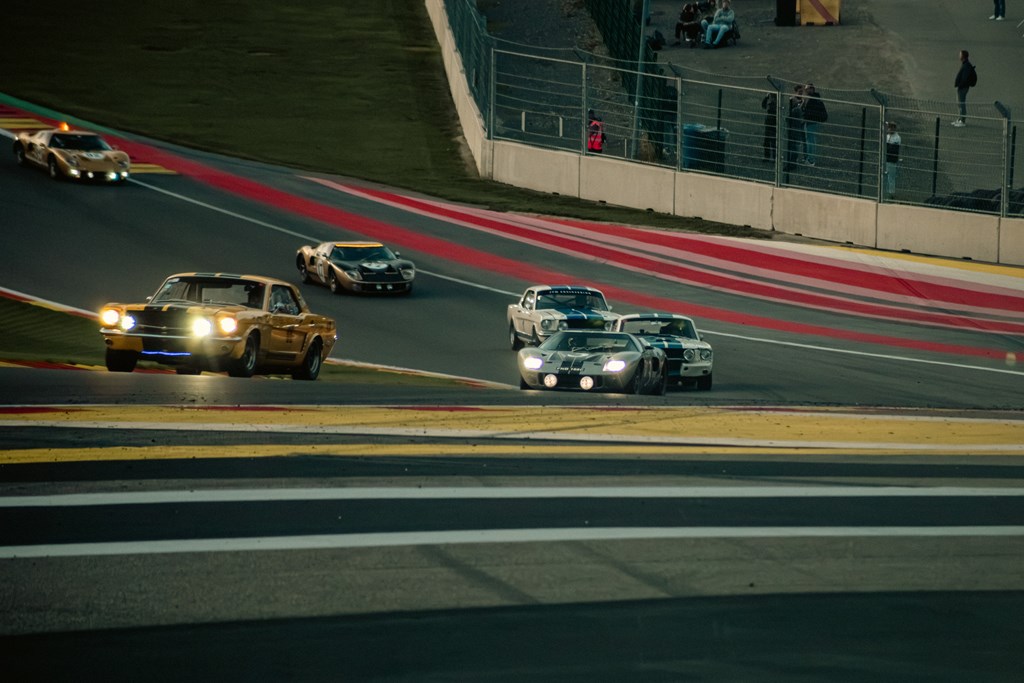
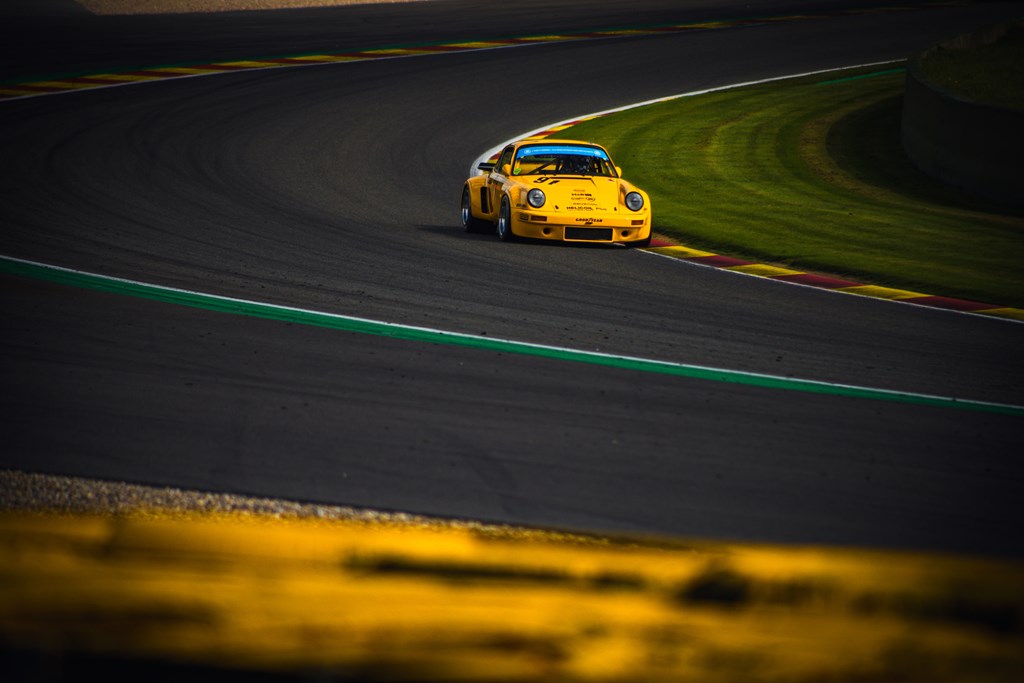
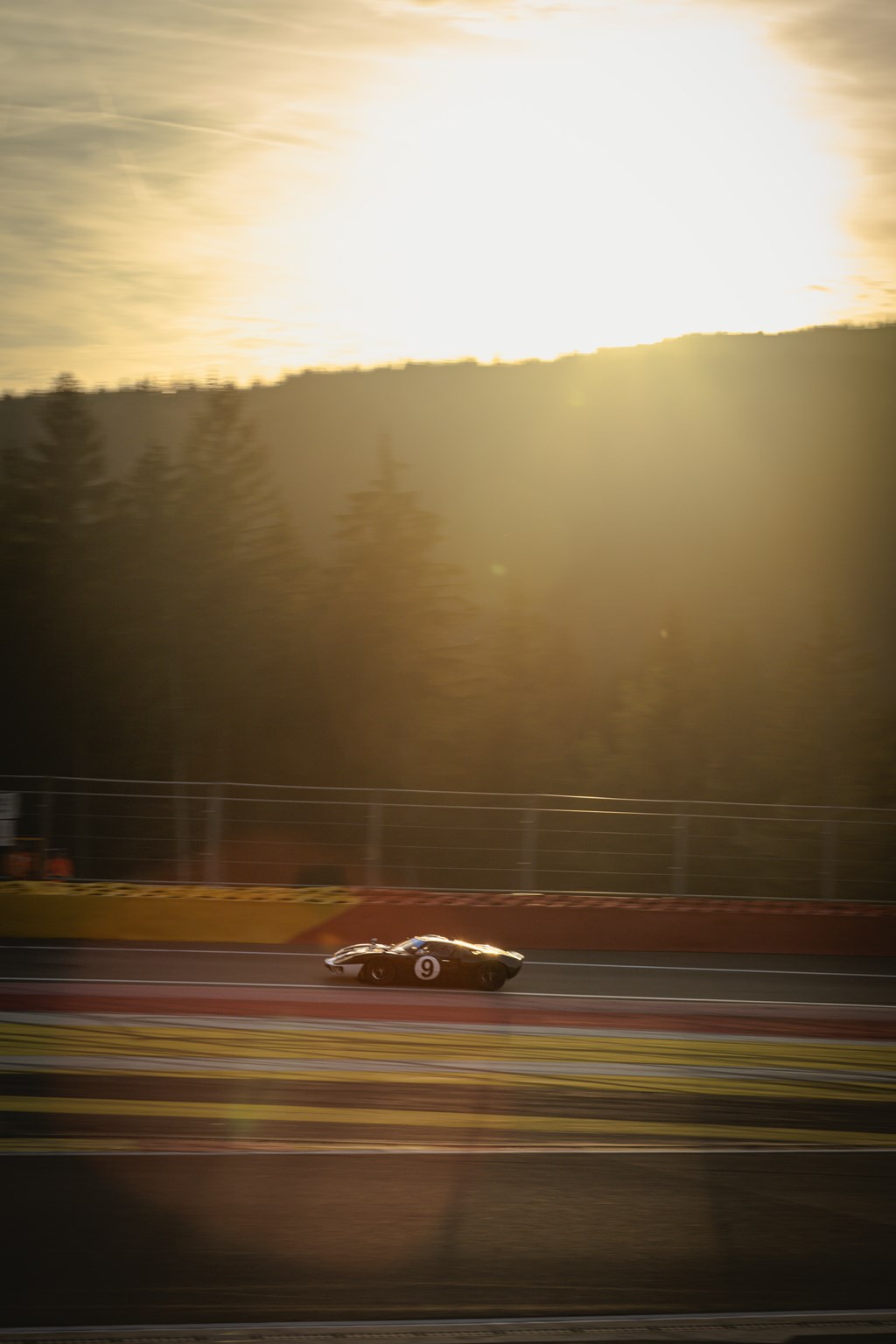
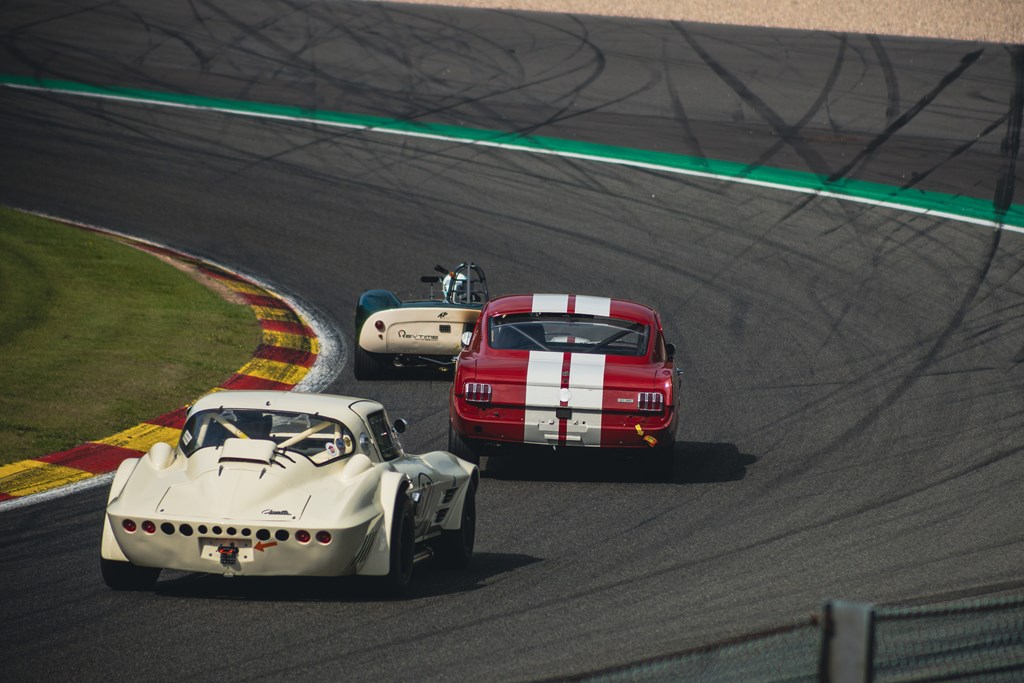
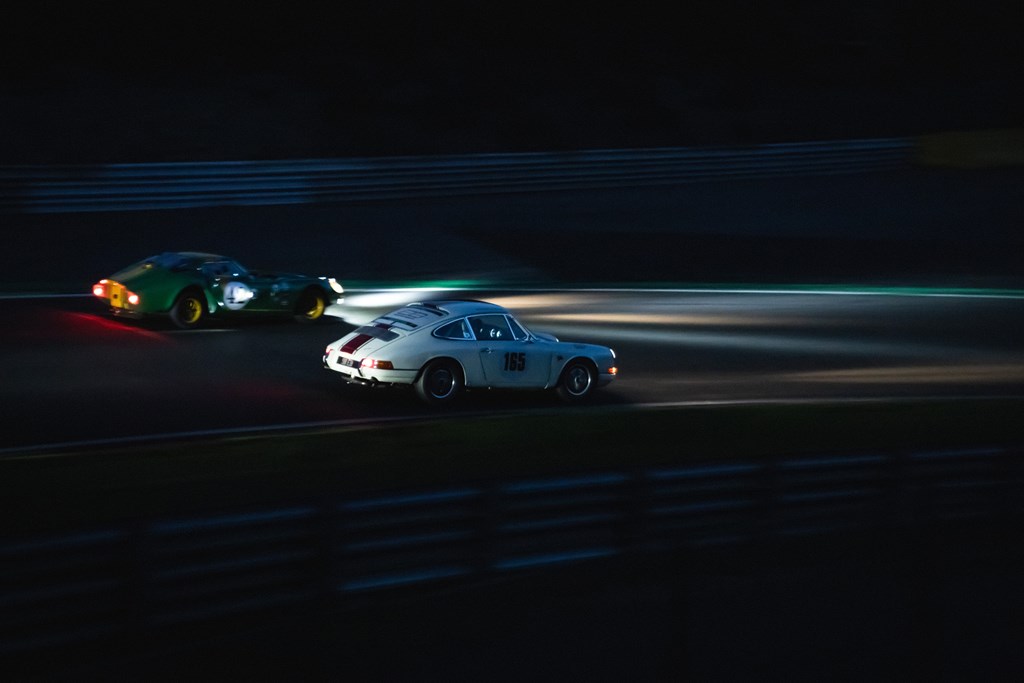
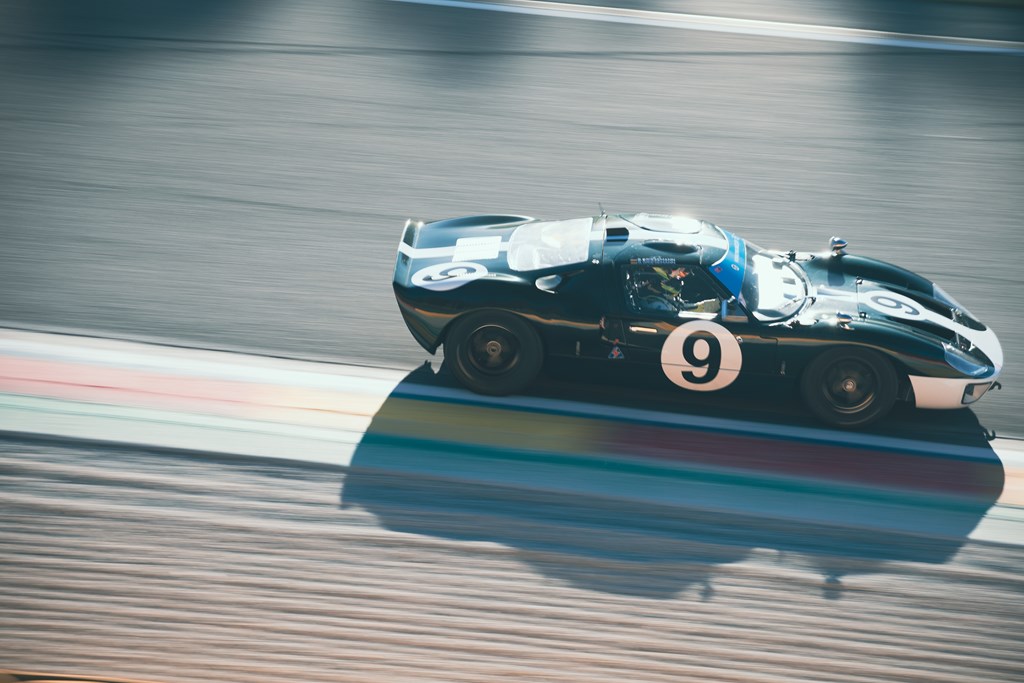
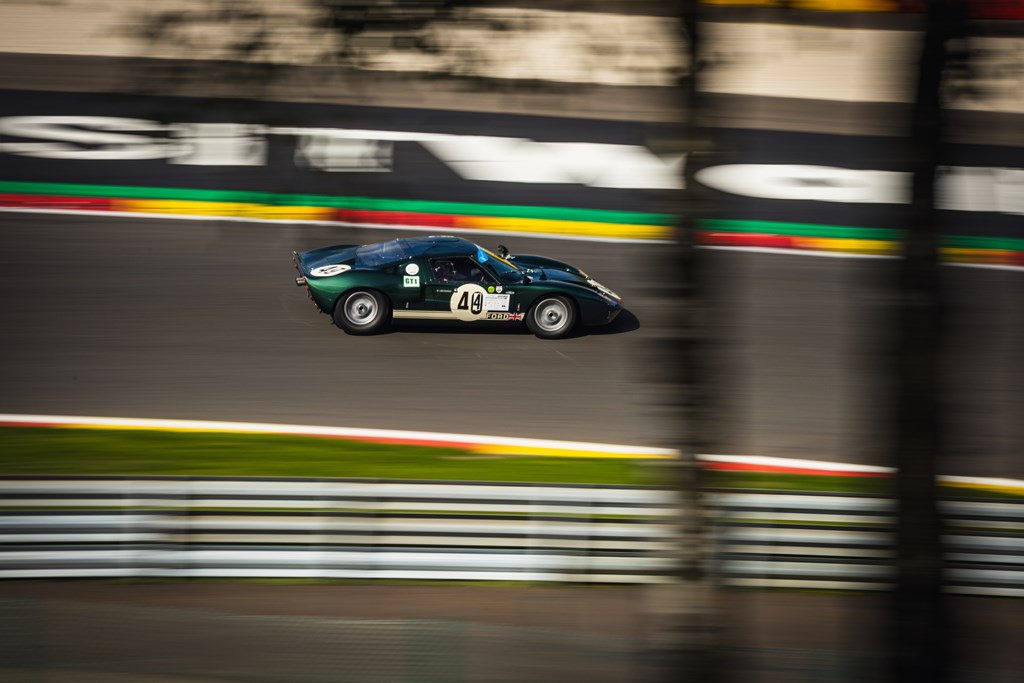
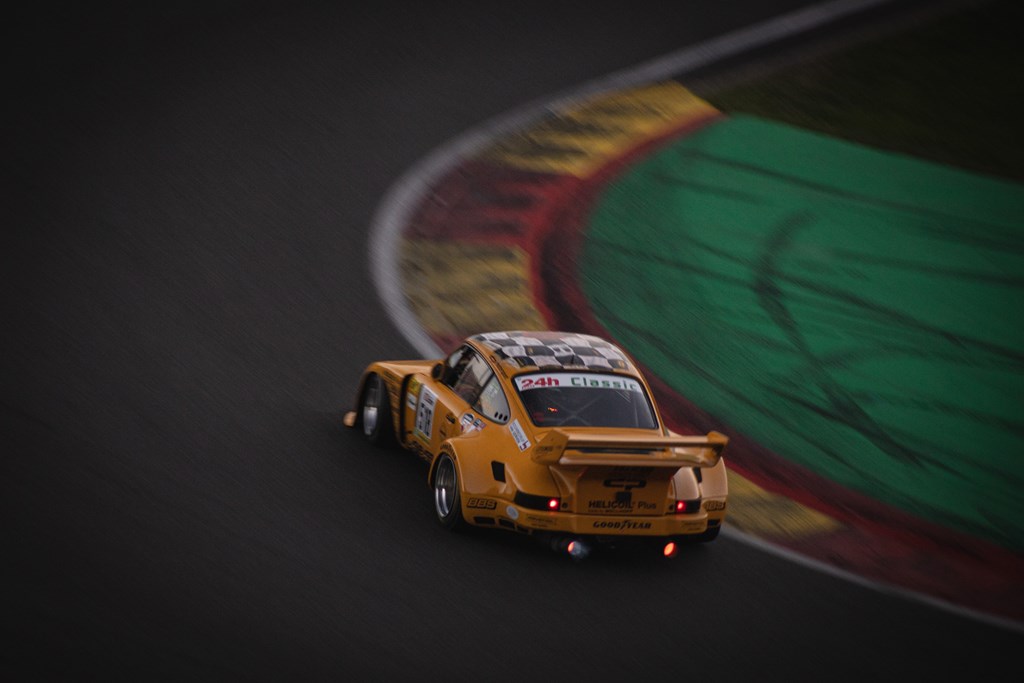
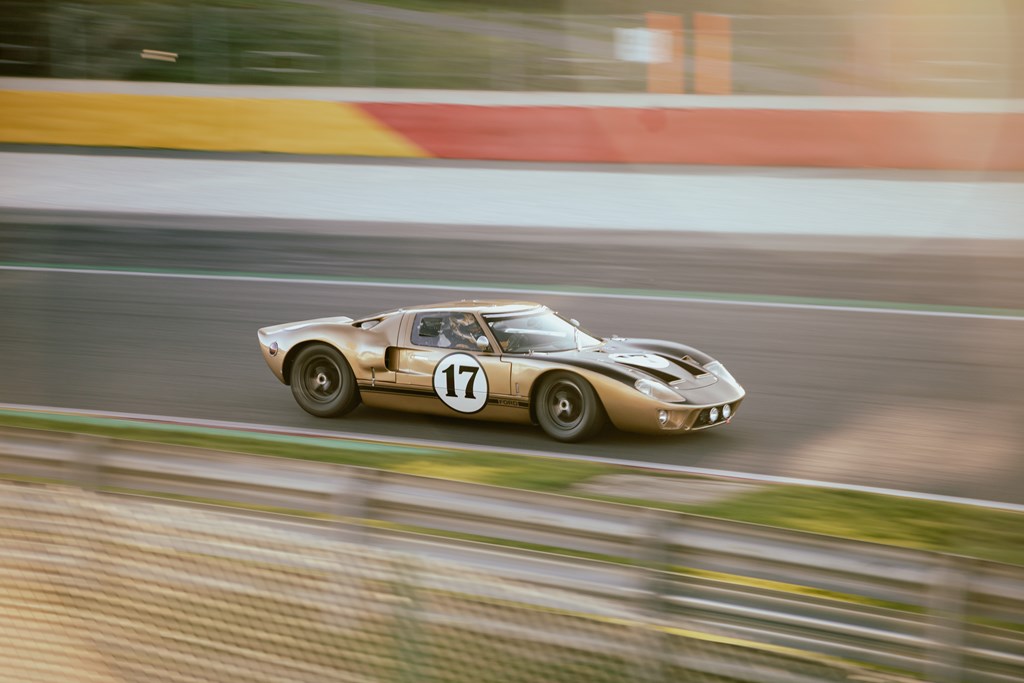
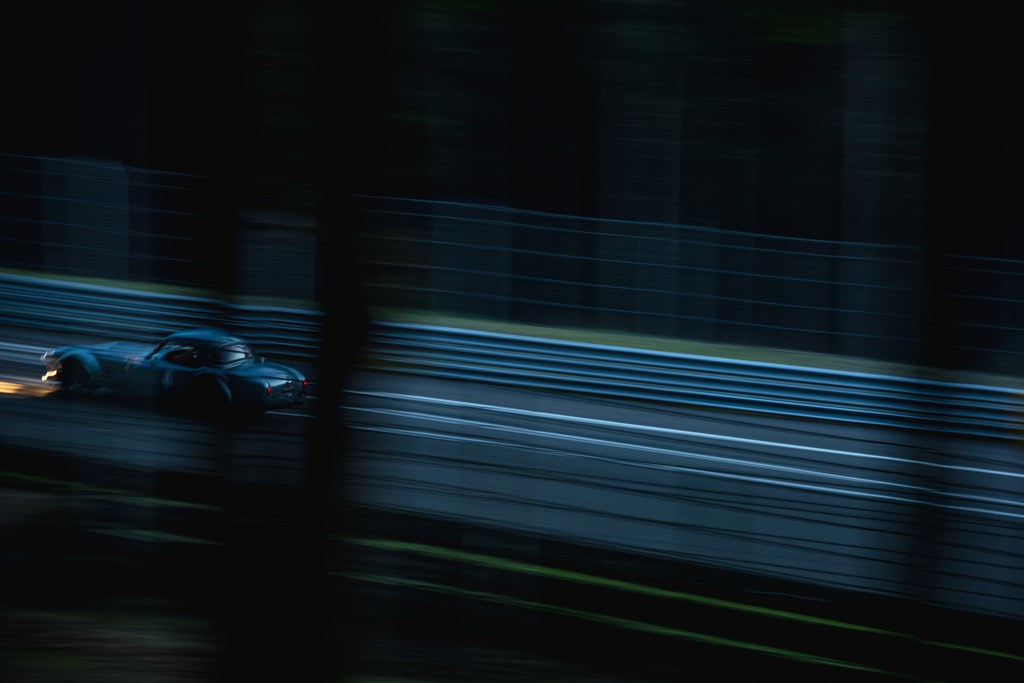
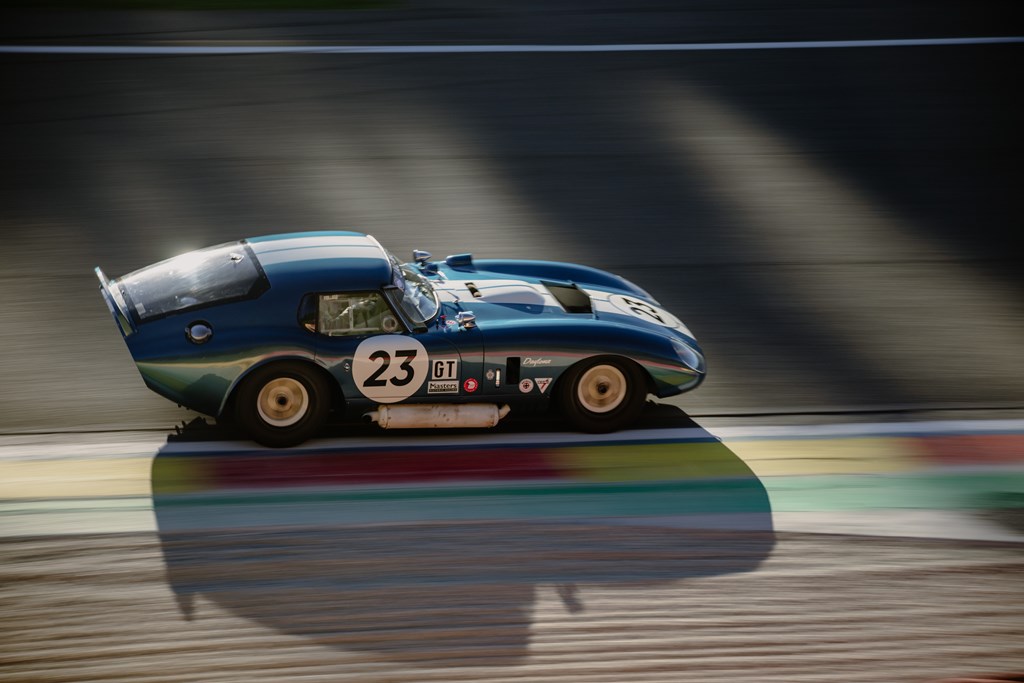
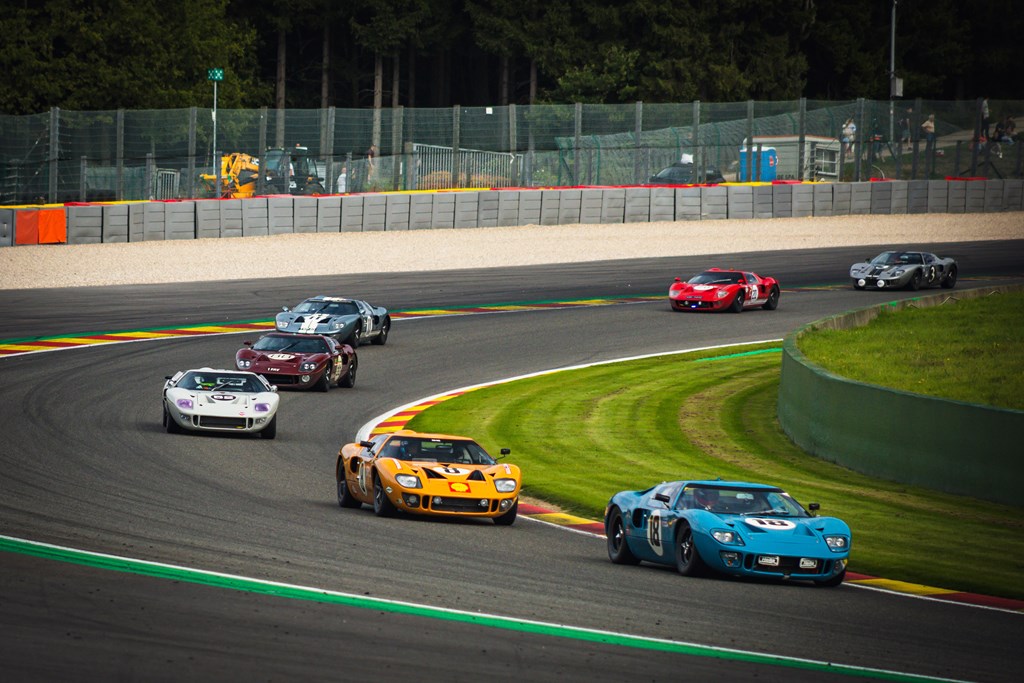
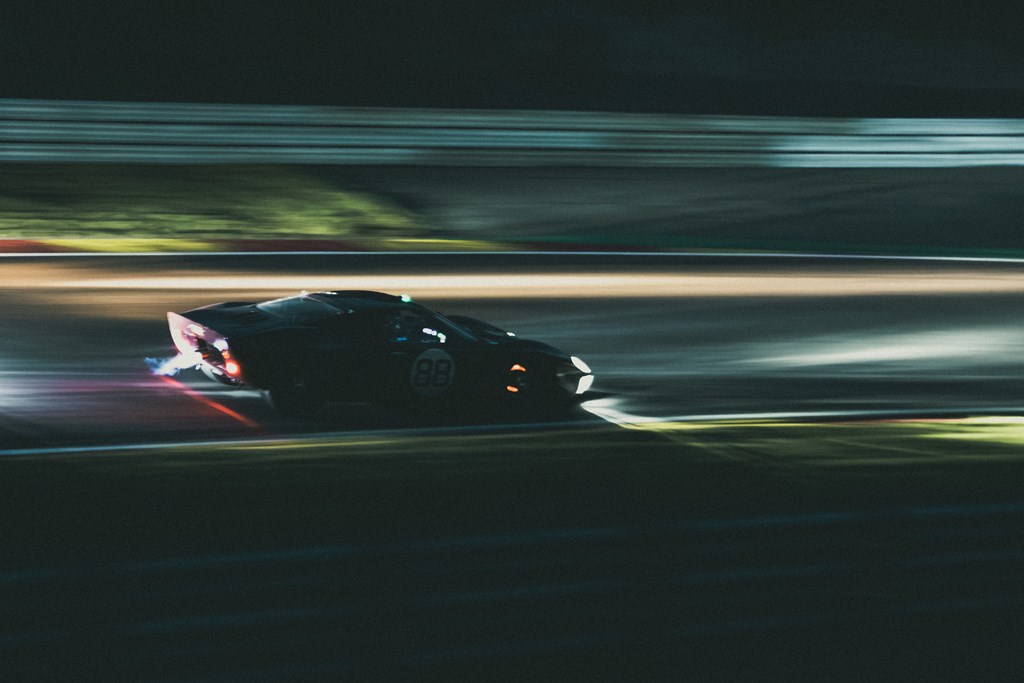
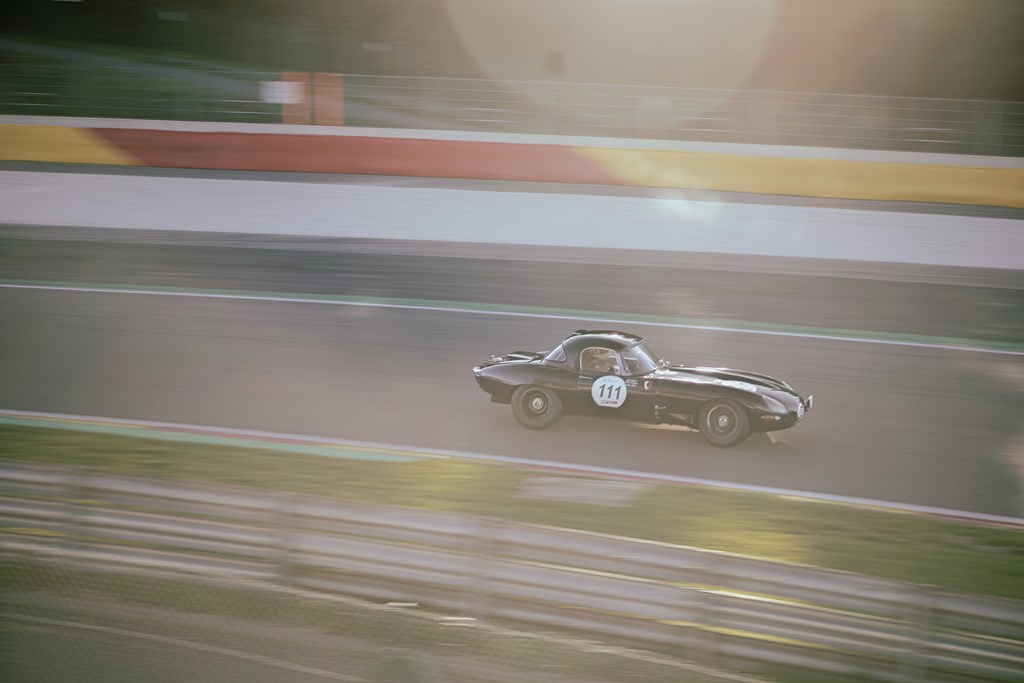
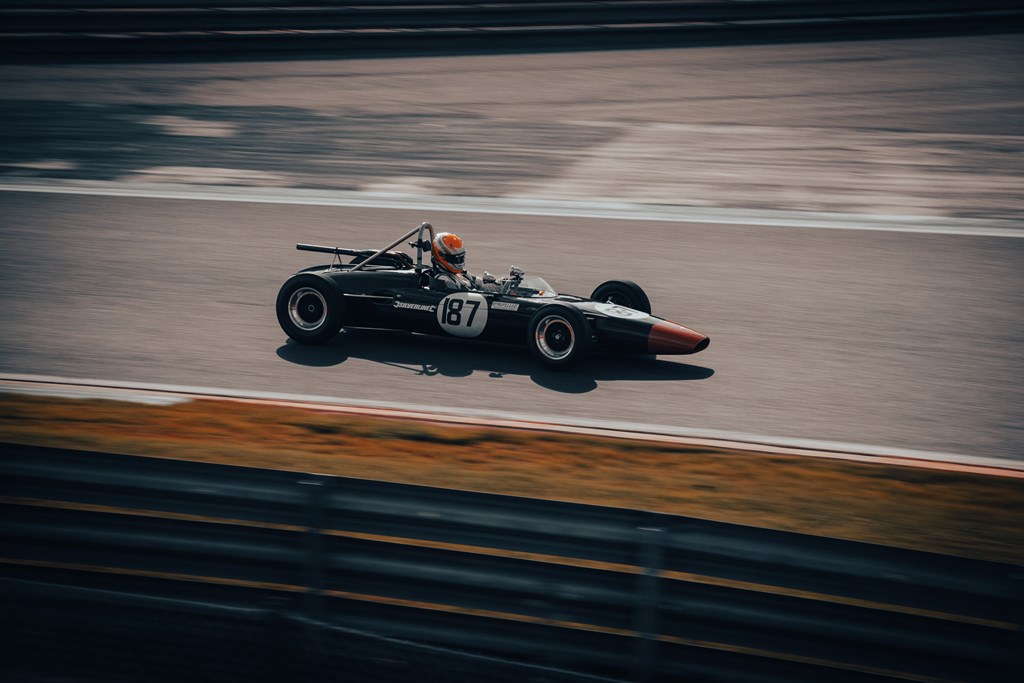
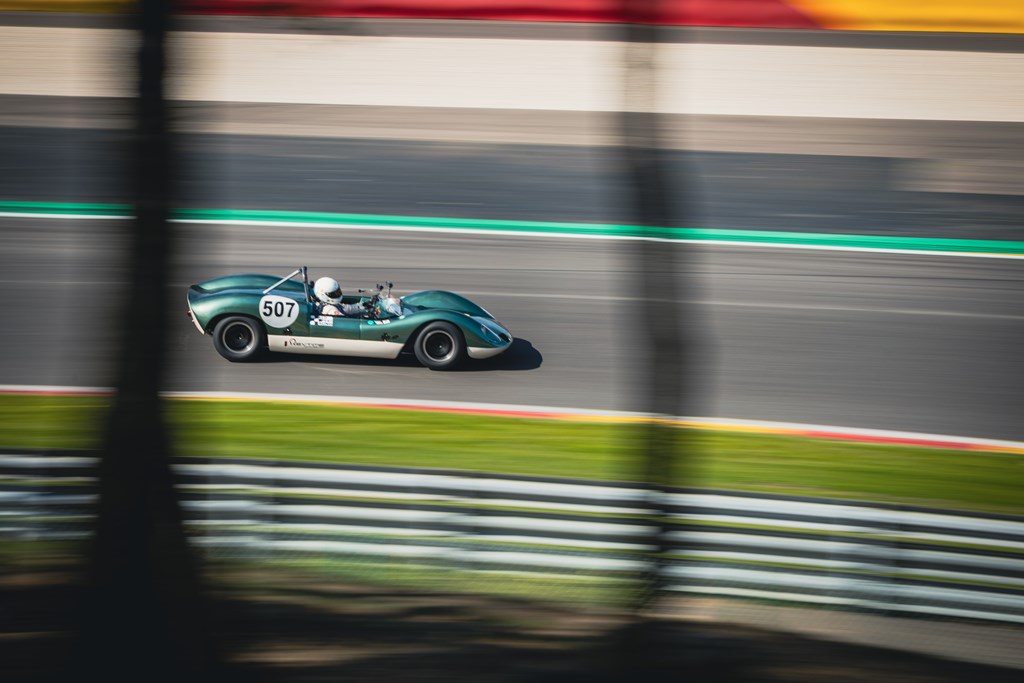
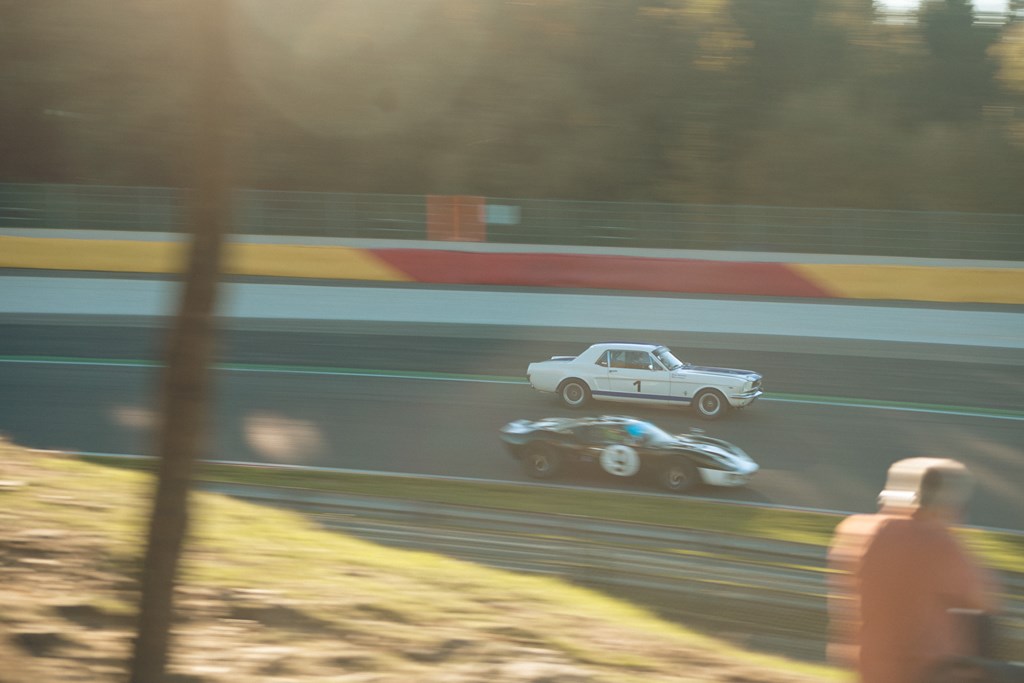
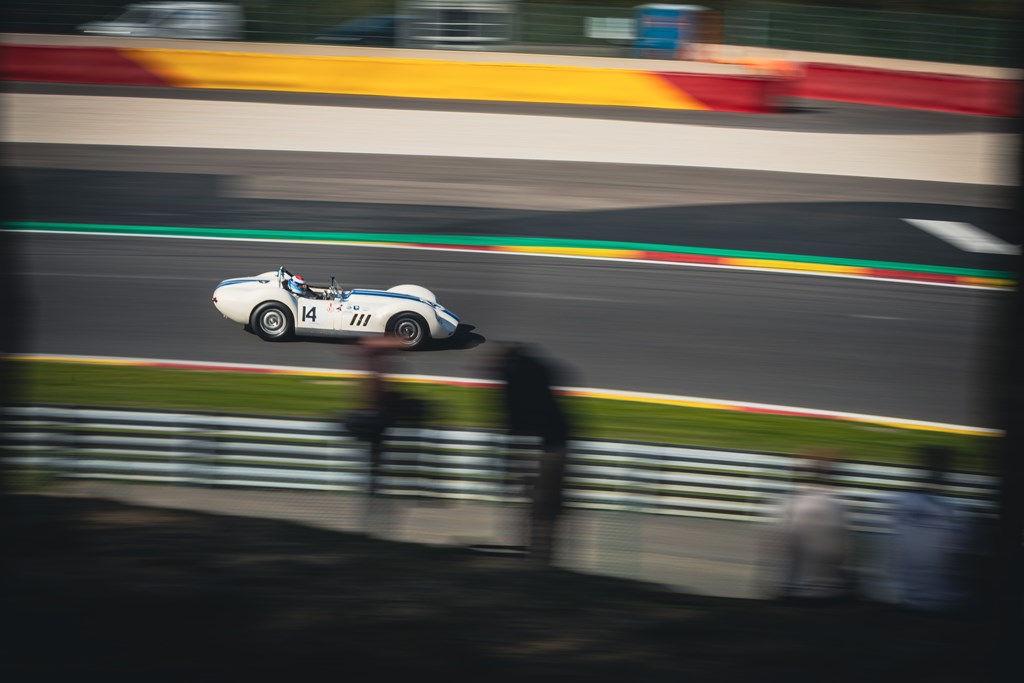
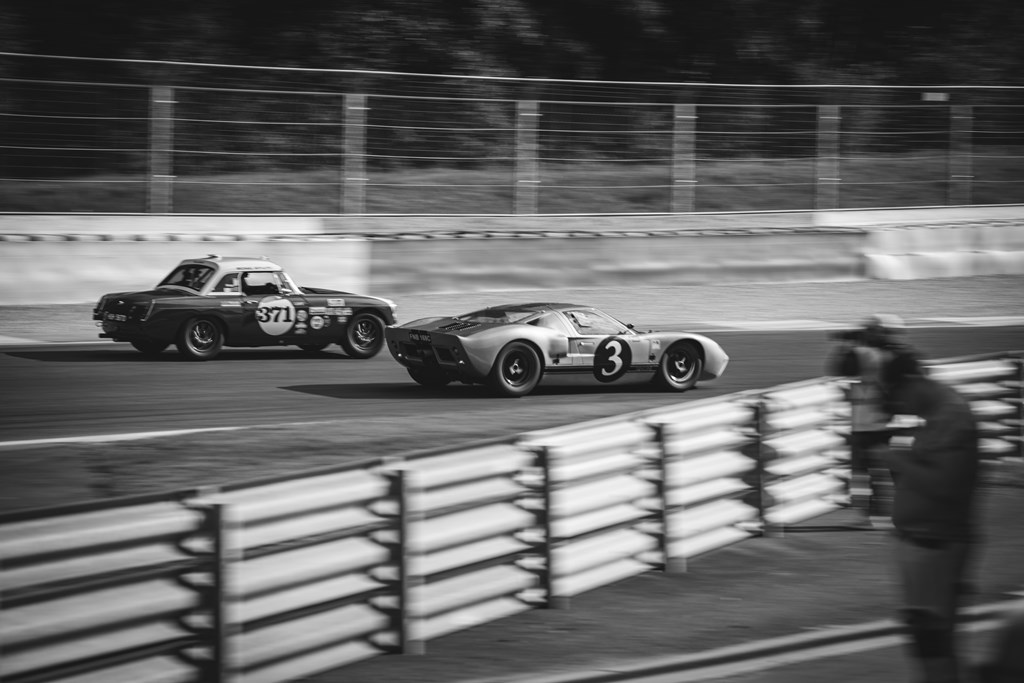
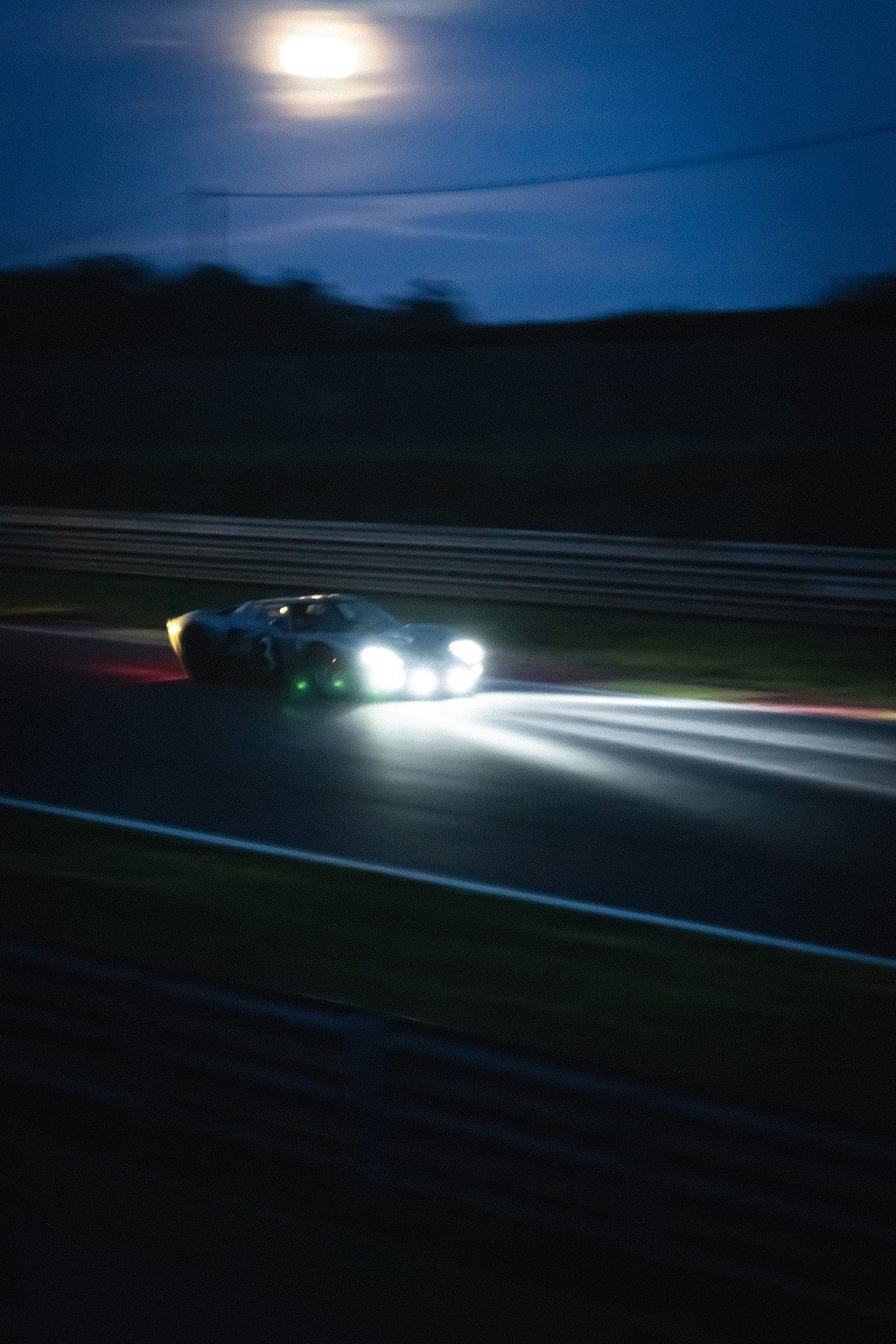
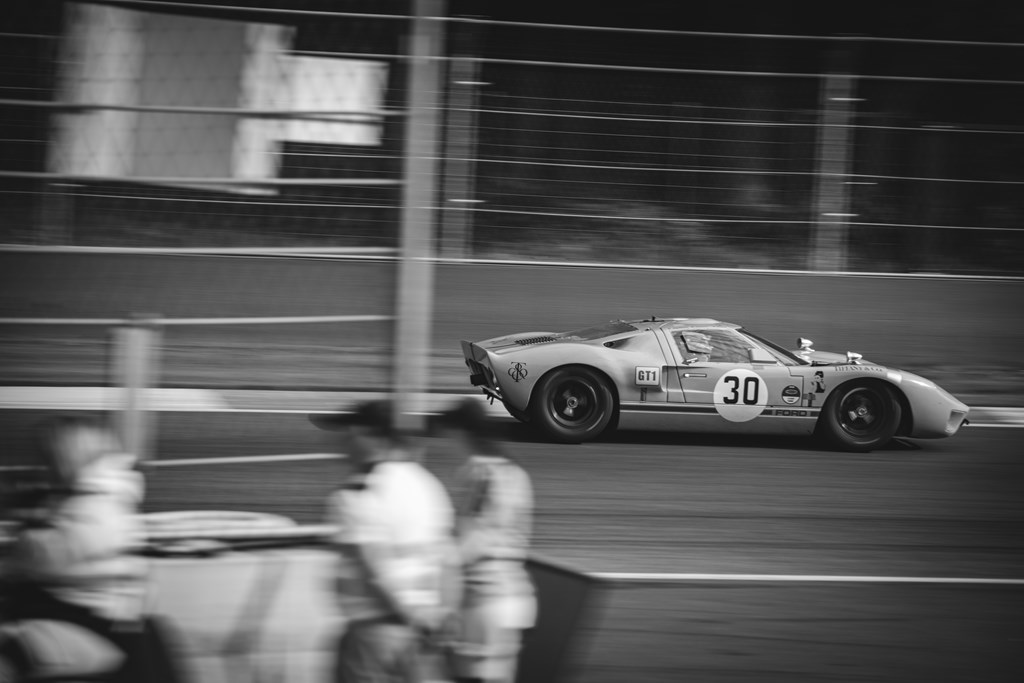
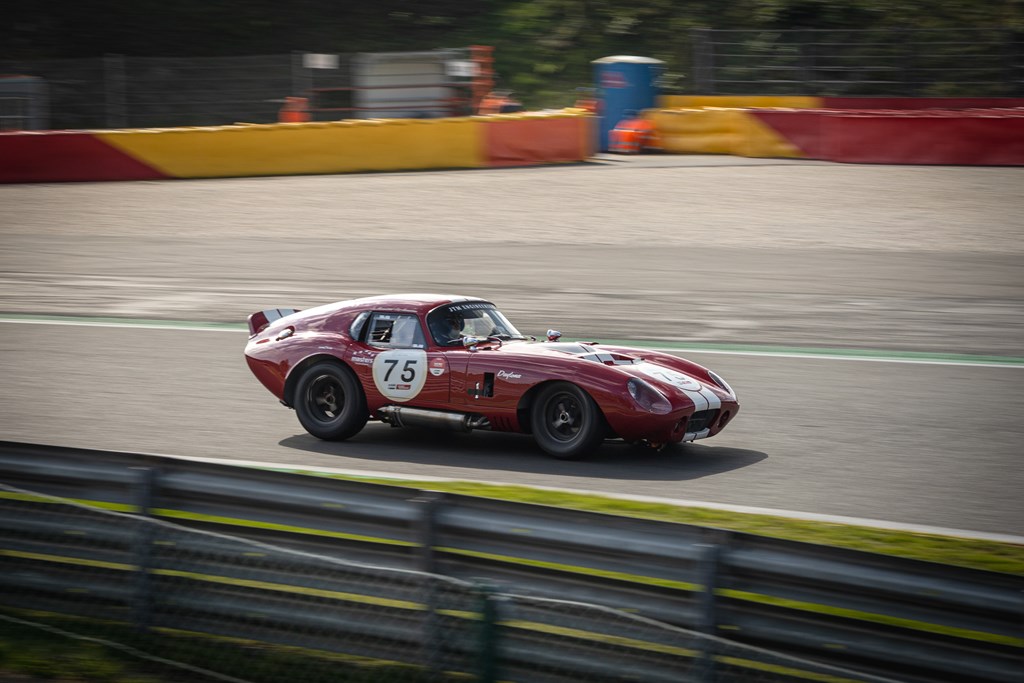
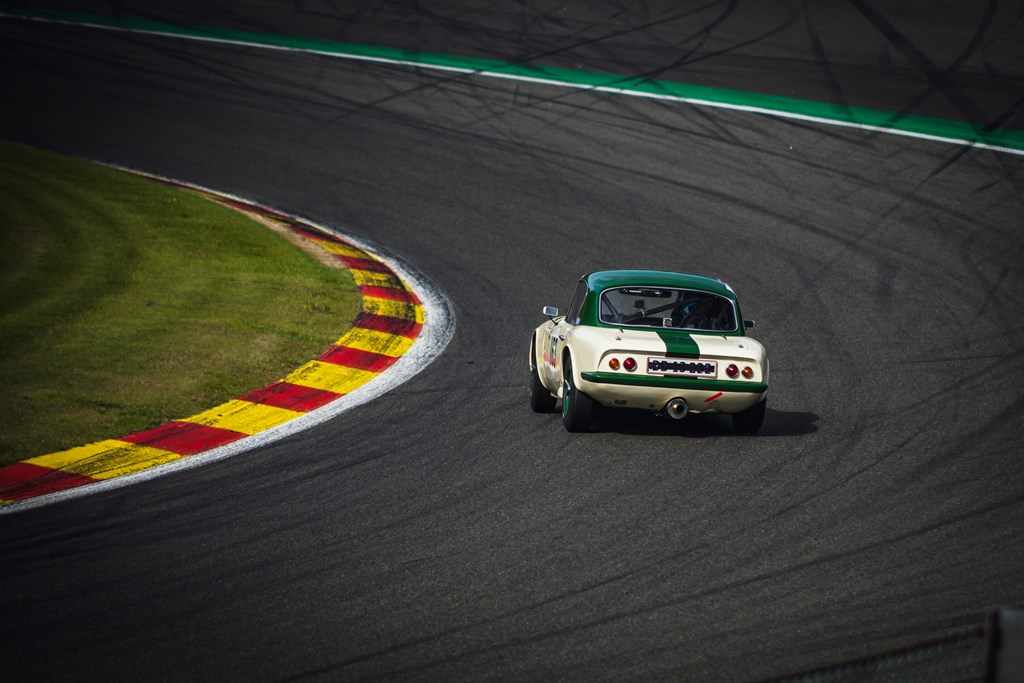
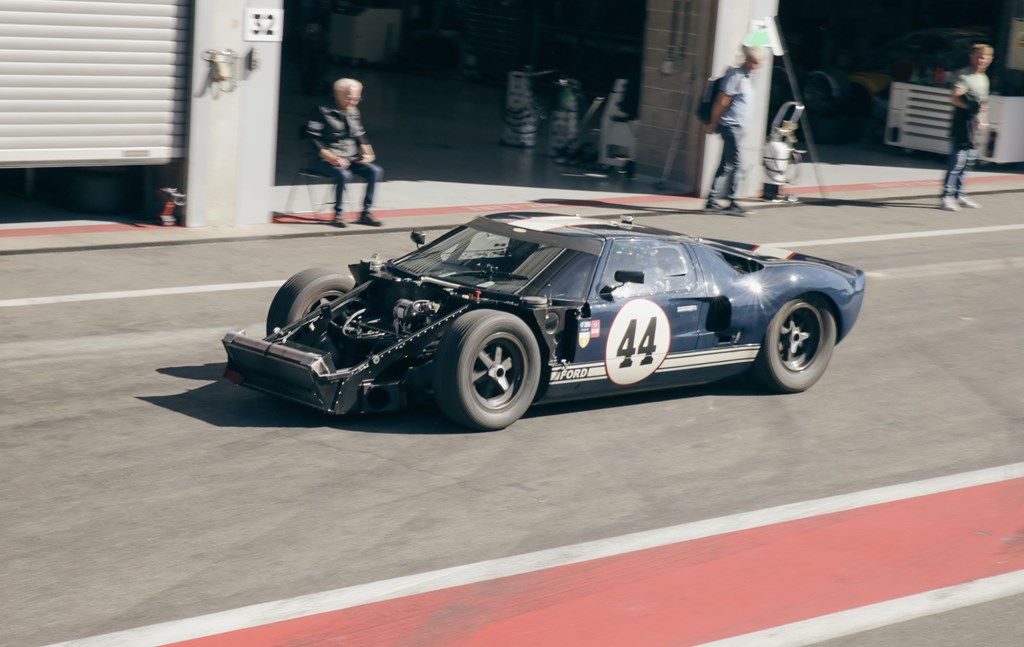
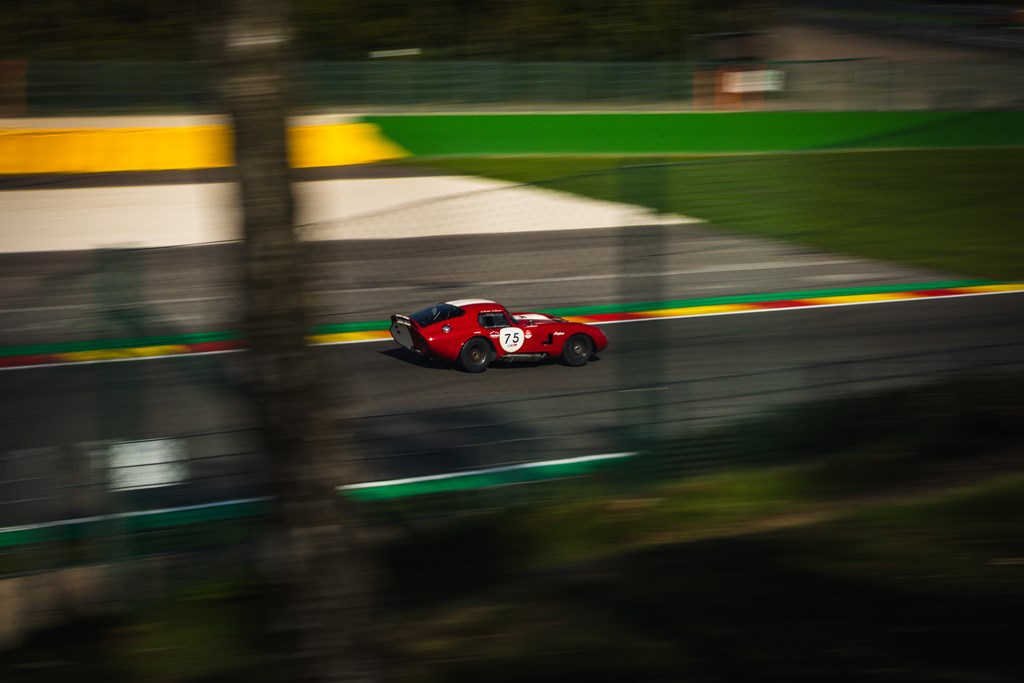
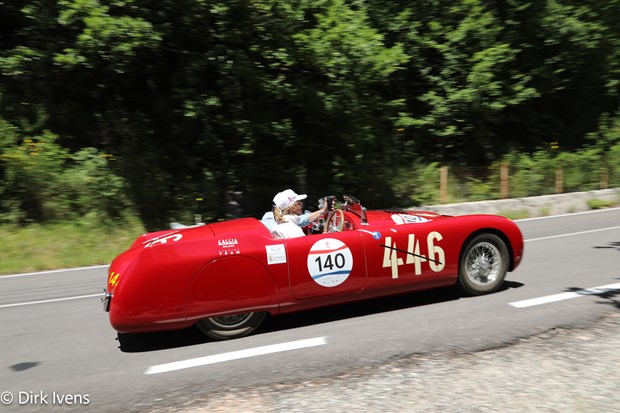
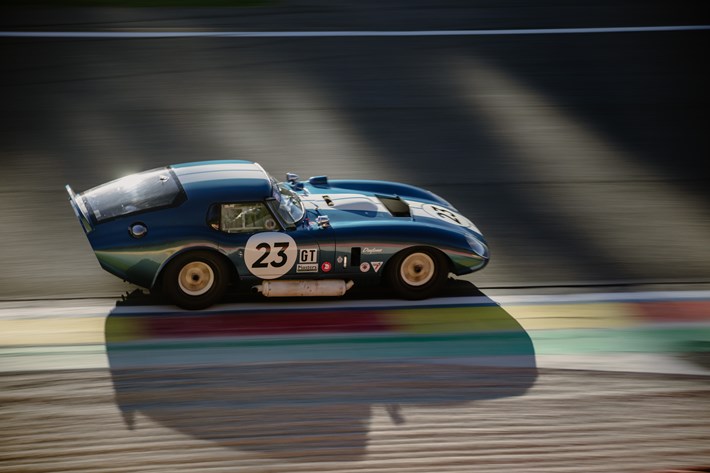
As I get older, my interest keeps shifting towards historic cars and youngtimers (cars that, rather alarmingly, were brand new when I was young). This multi-day event was right up my street. The headline race alone featured nearly seventy pre-1965 classics: GT40s, Cobras, E-Types, 911s, Lotuses and Aston Martins, pushed to their limits for six hours straight.
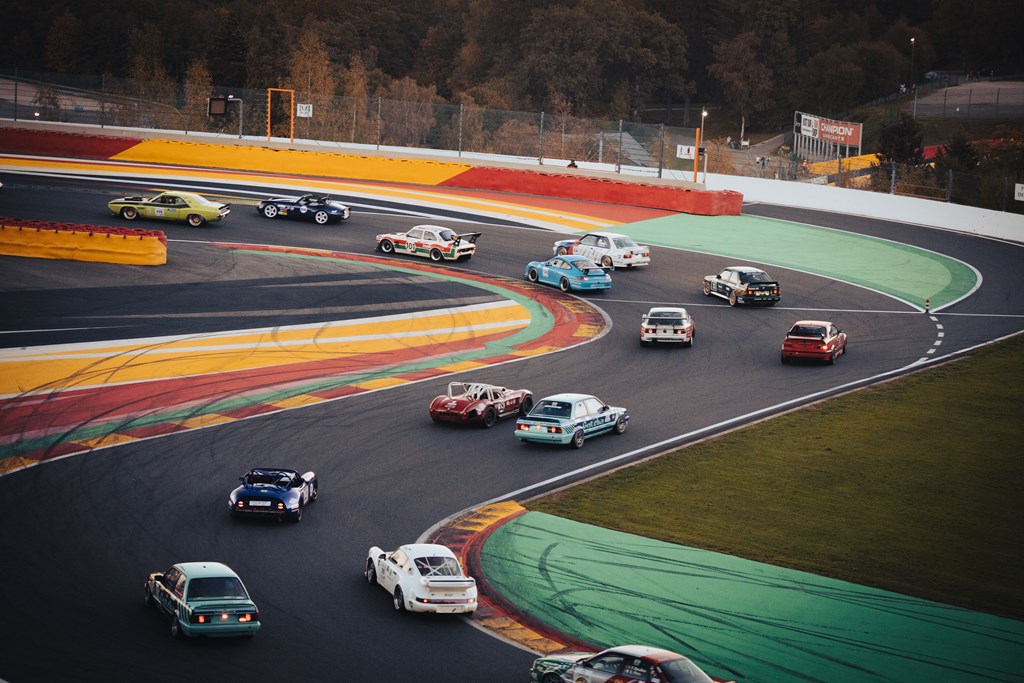
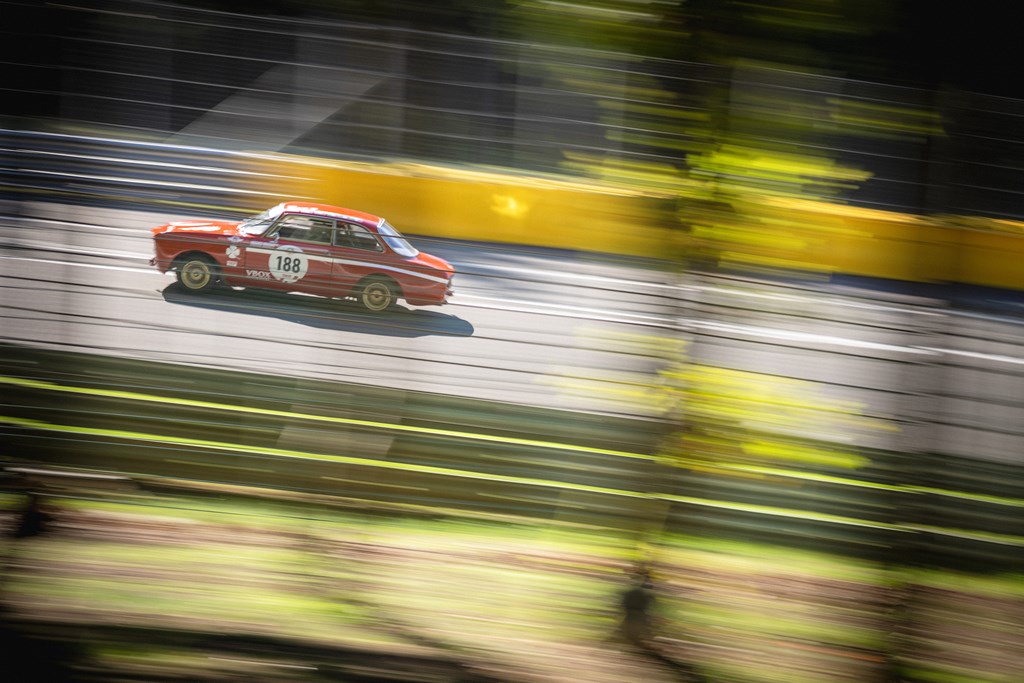
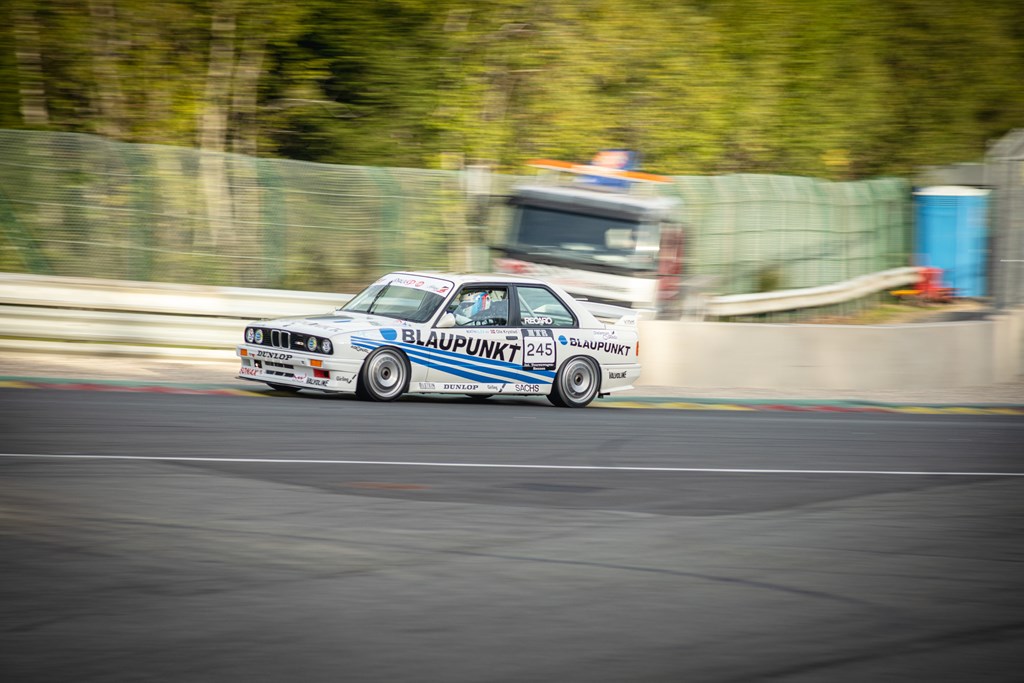
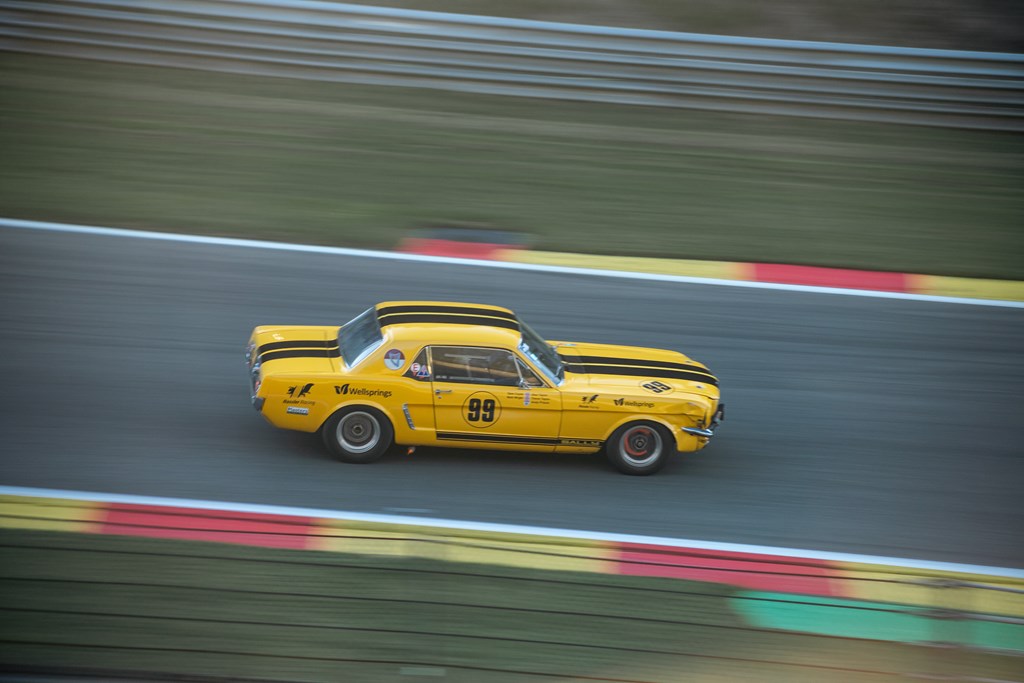
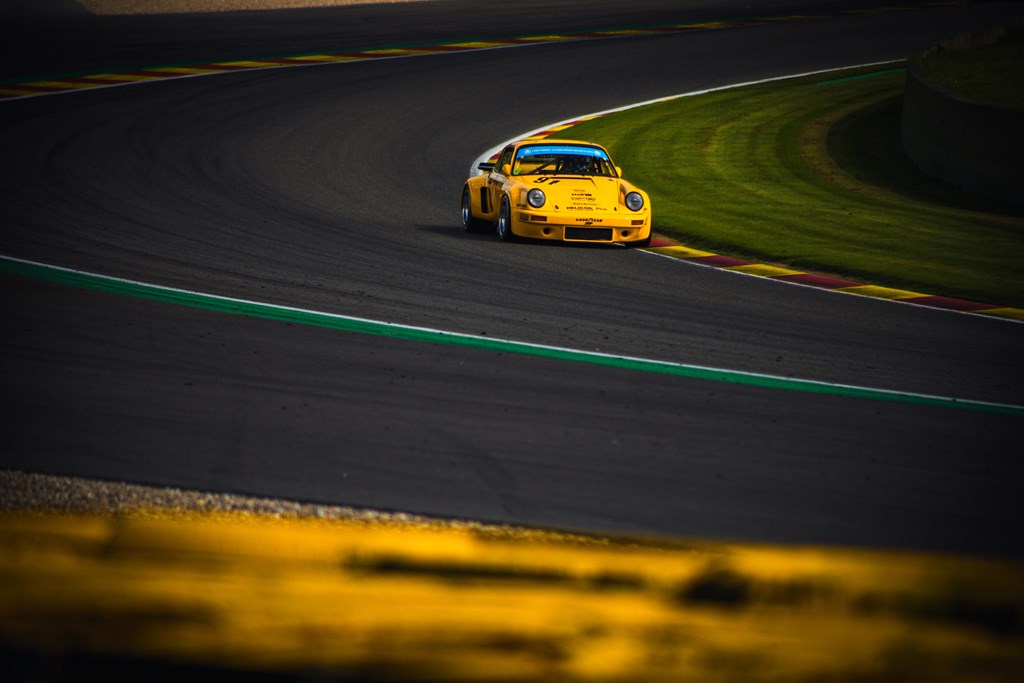
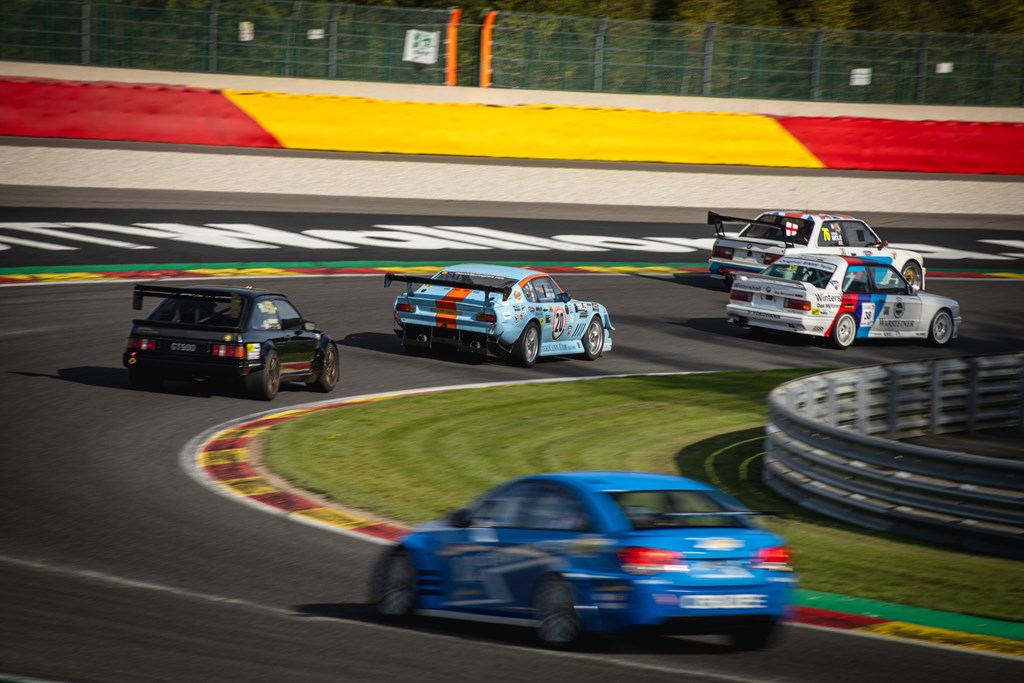
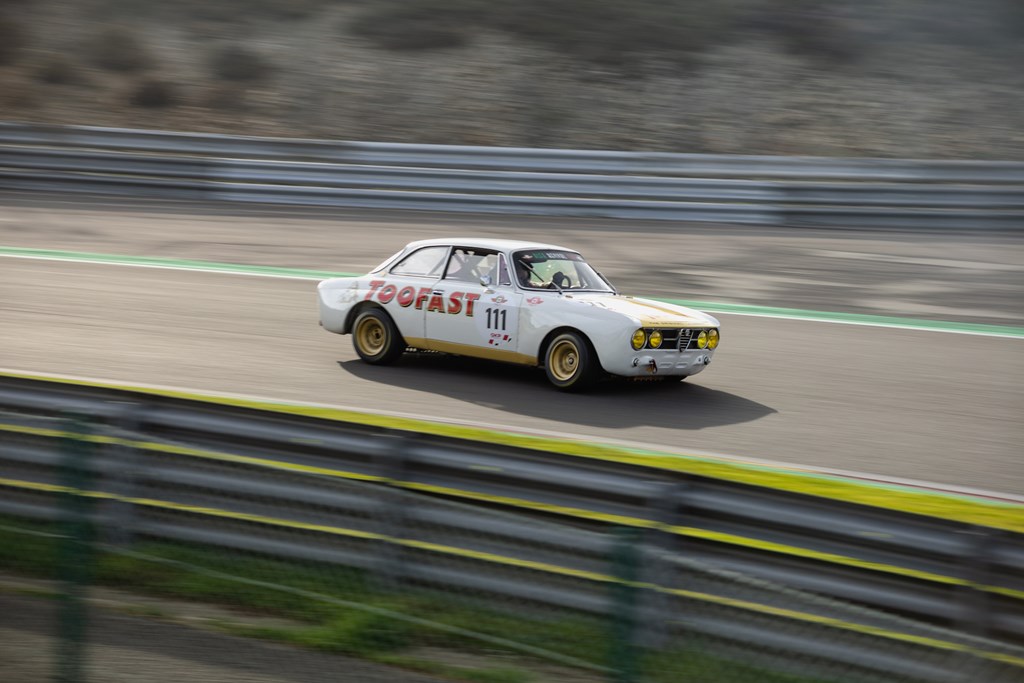
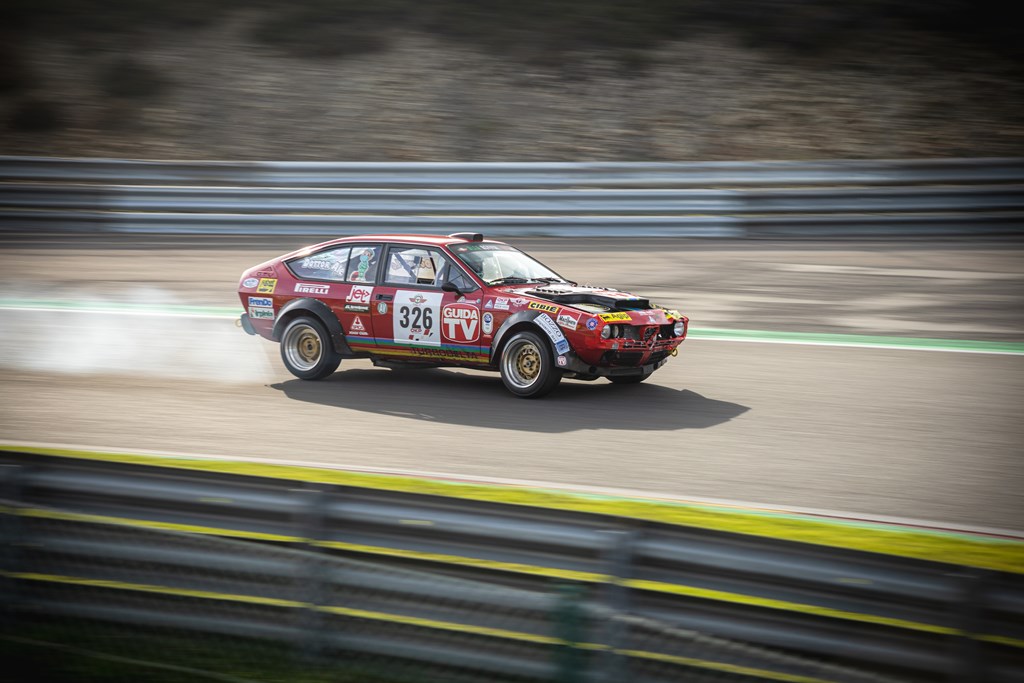
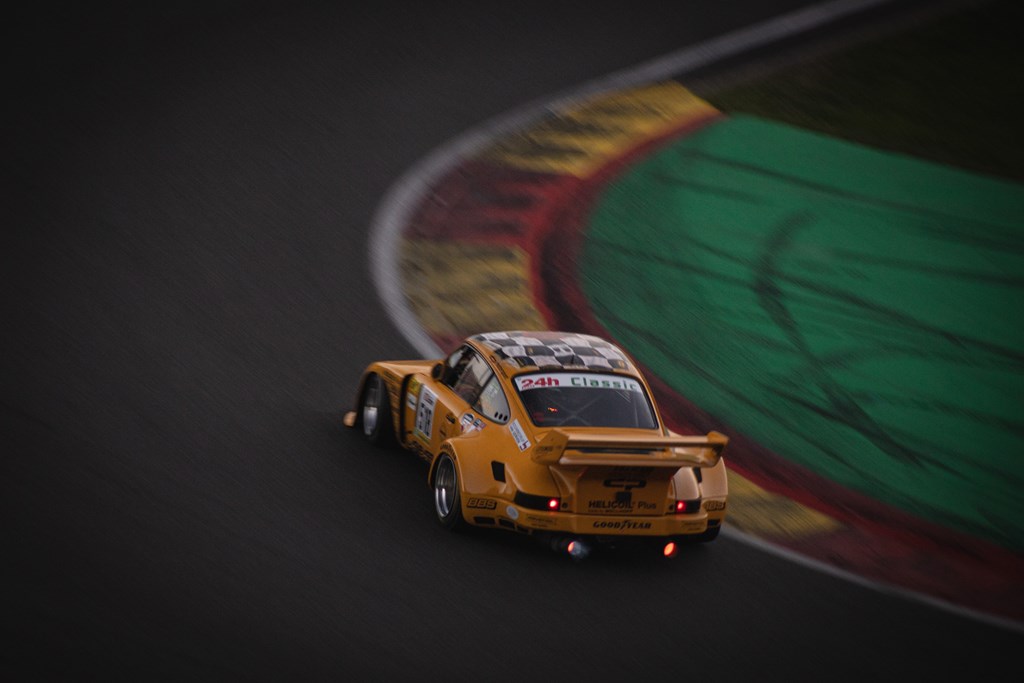
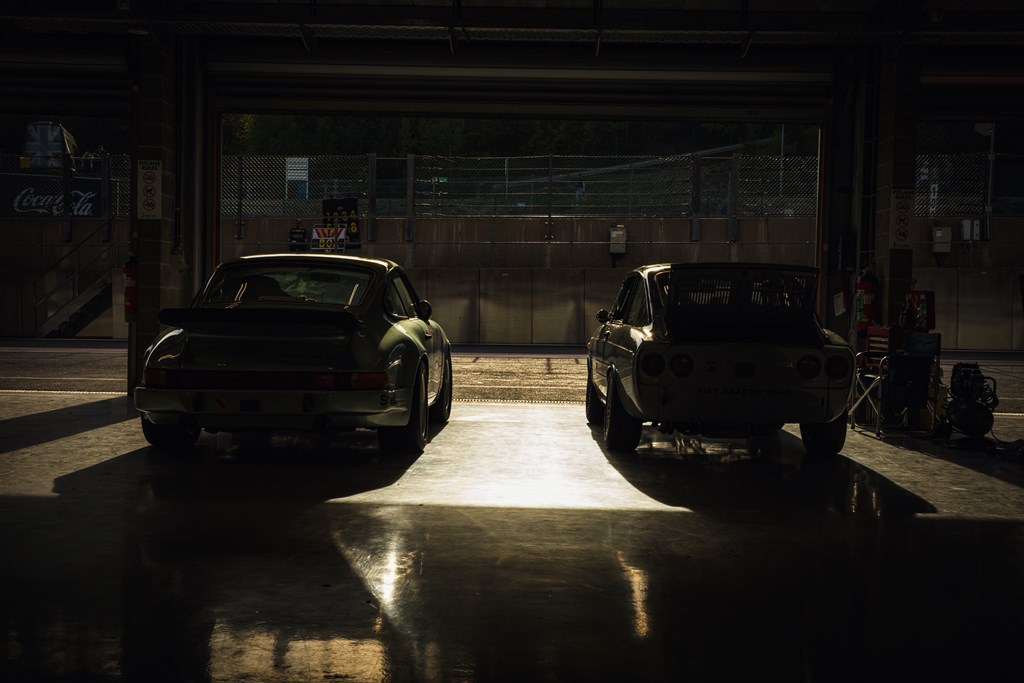
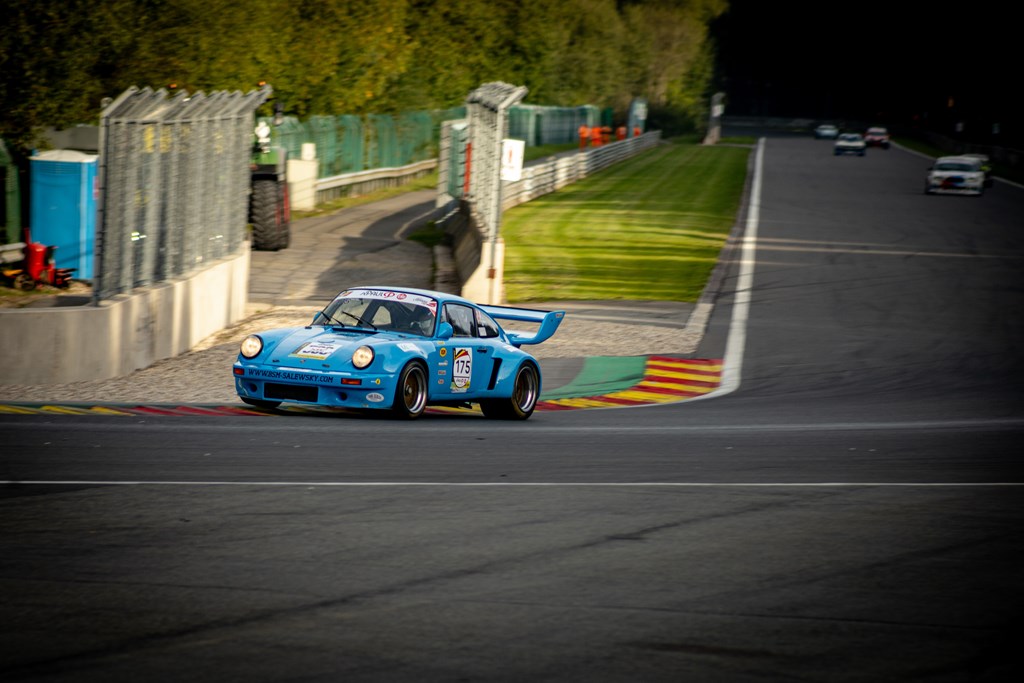
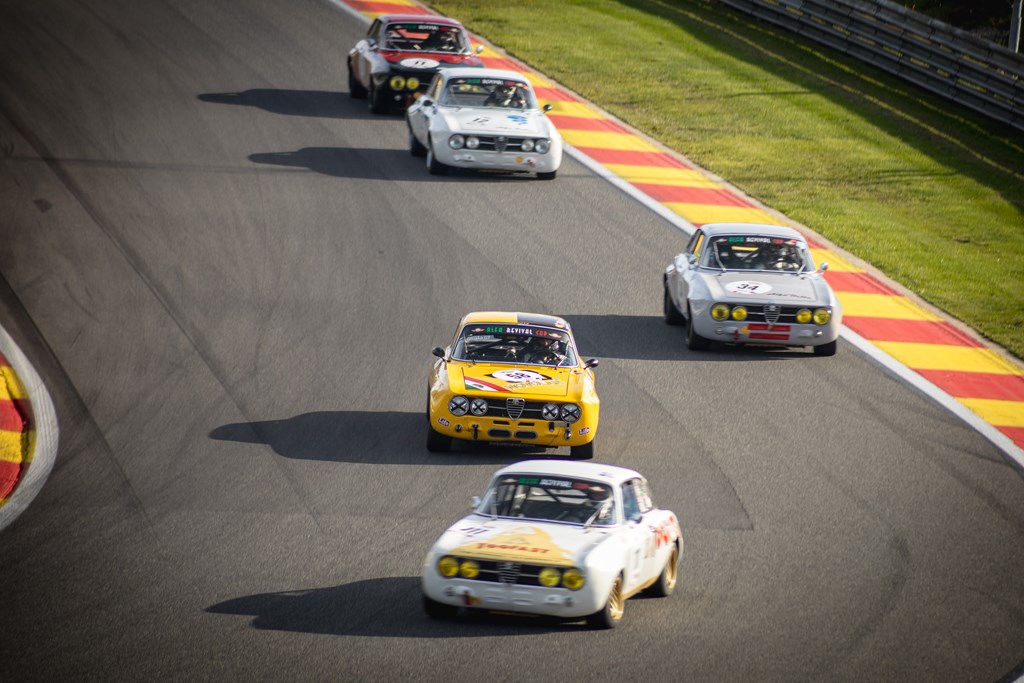
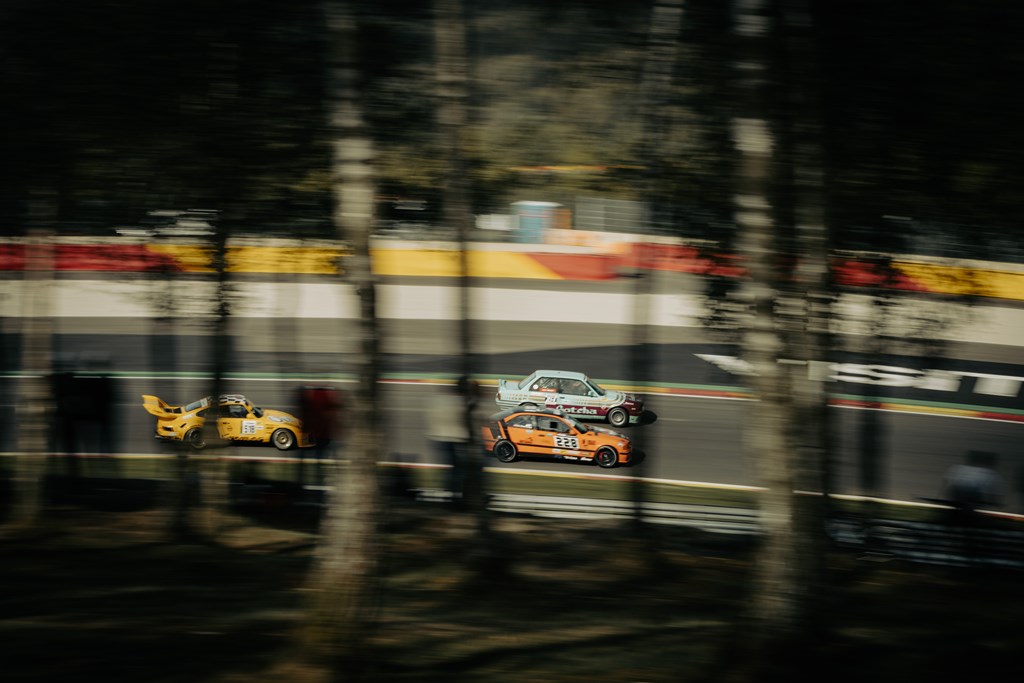
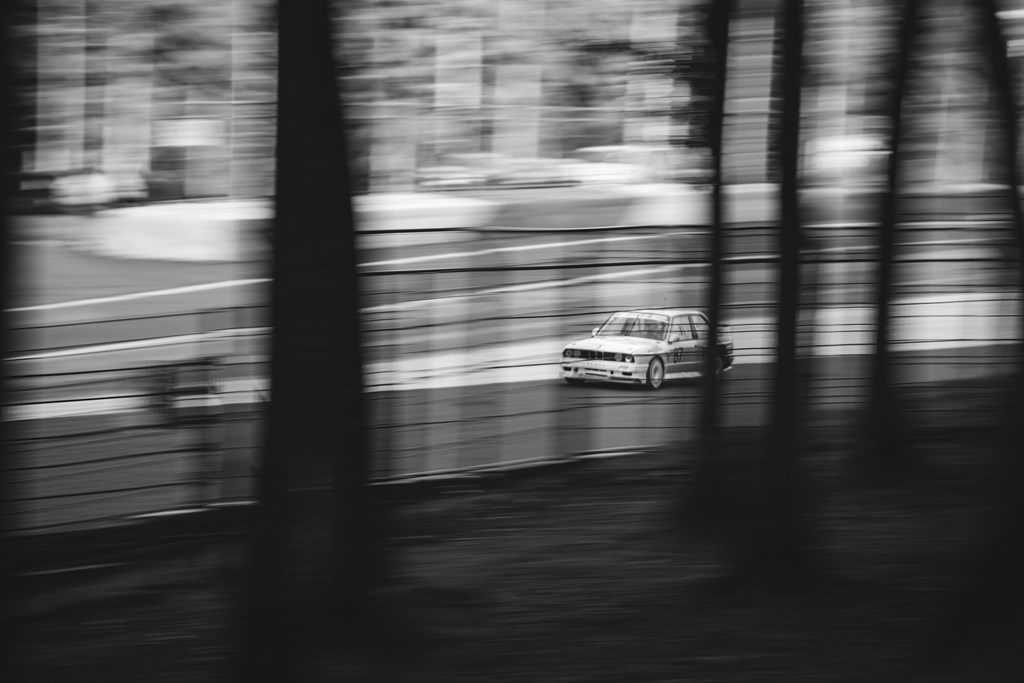
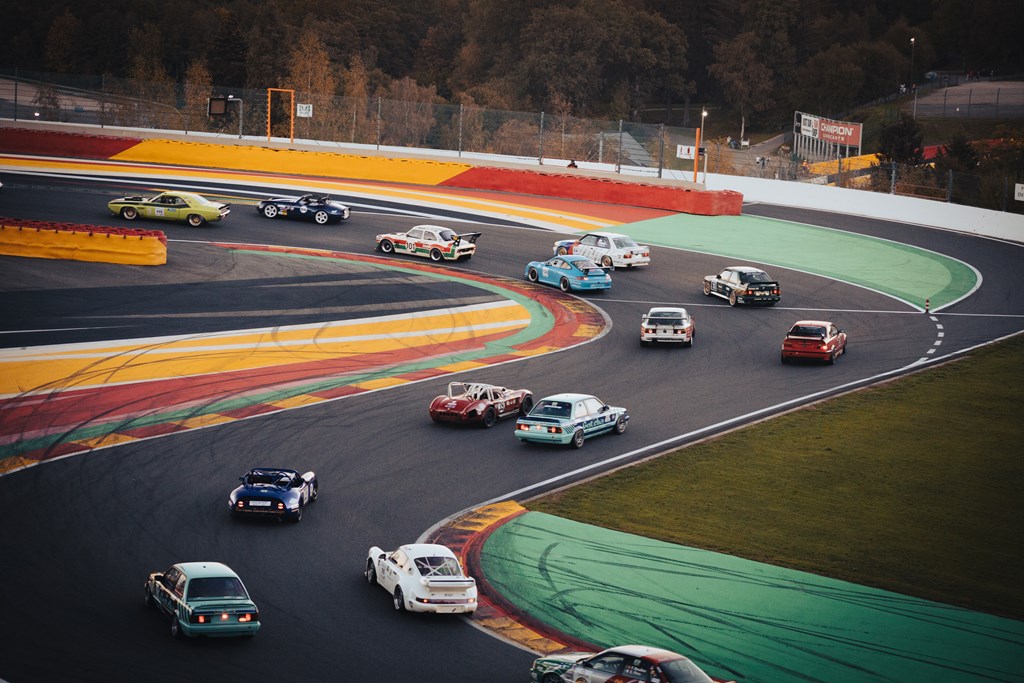
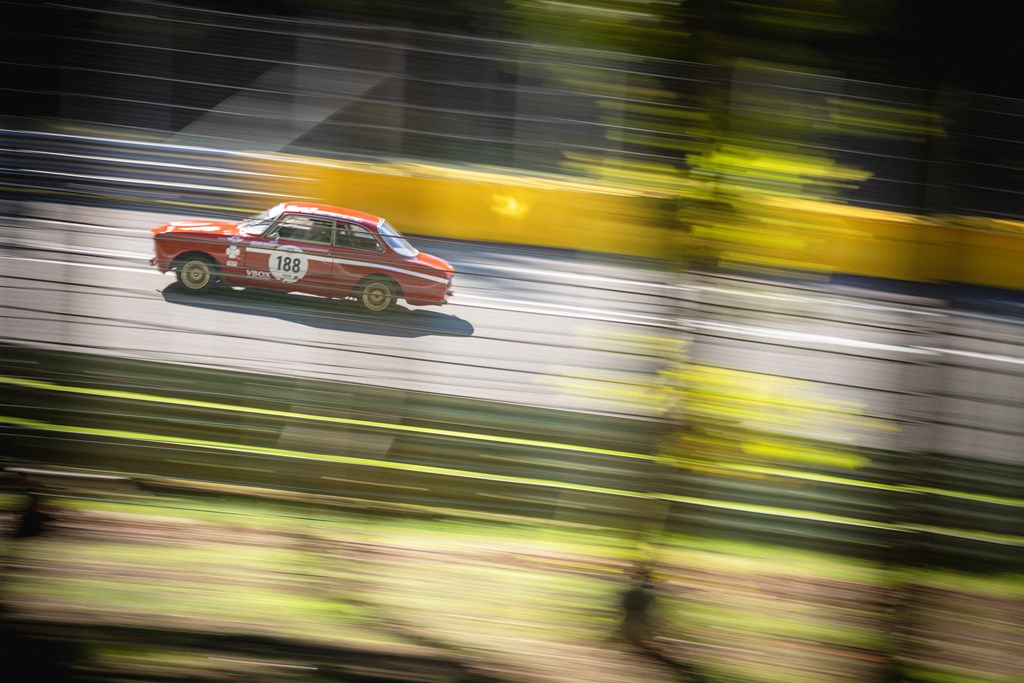
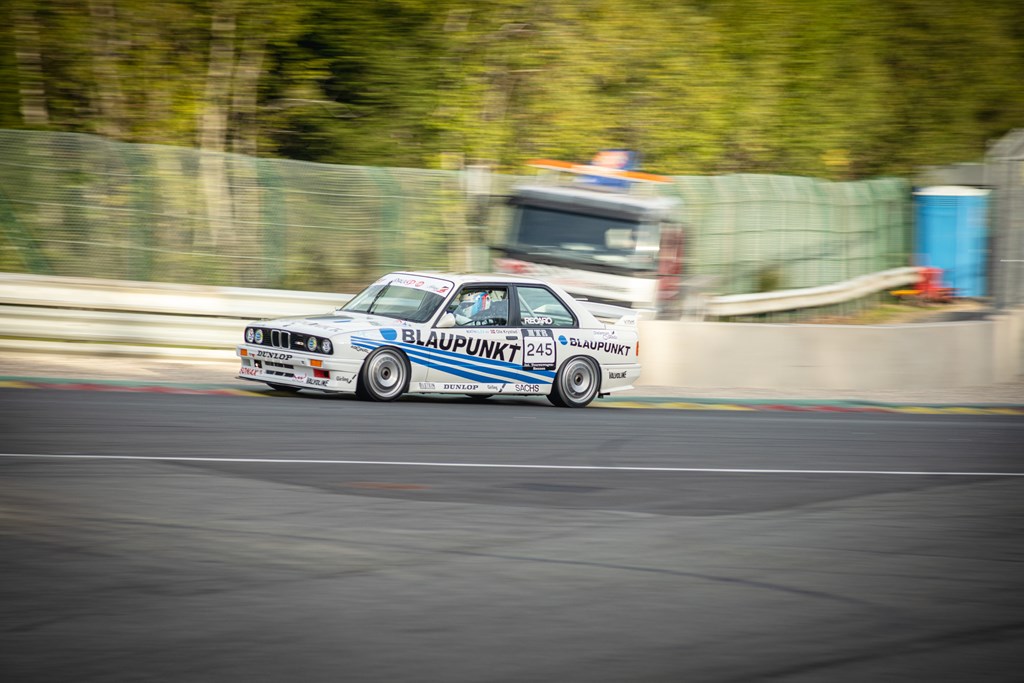
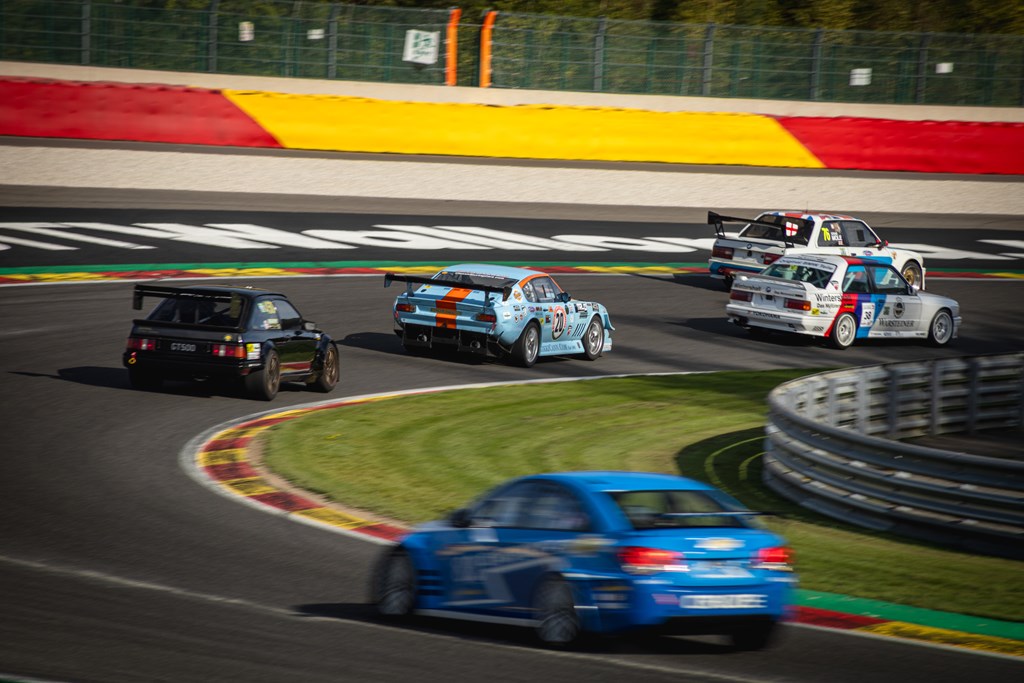
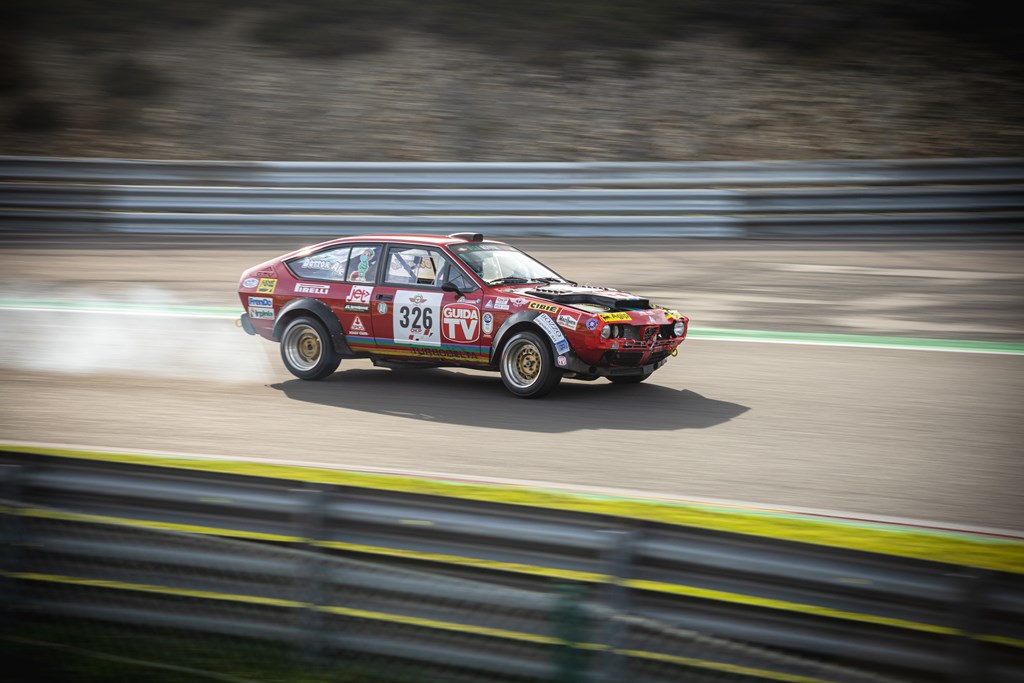
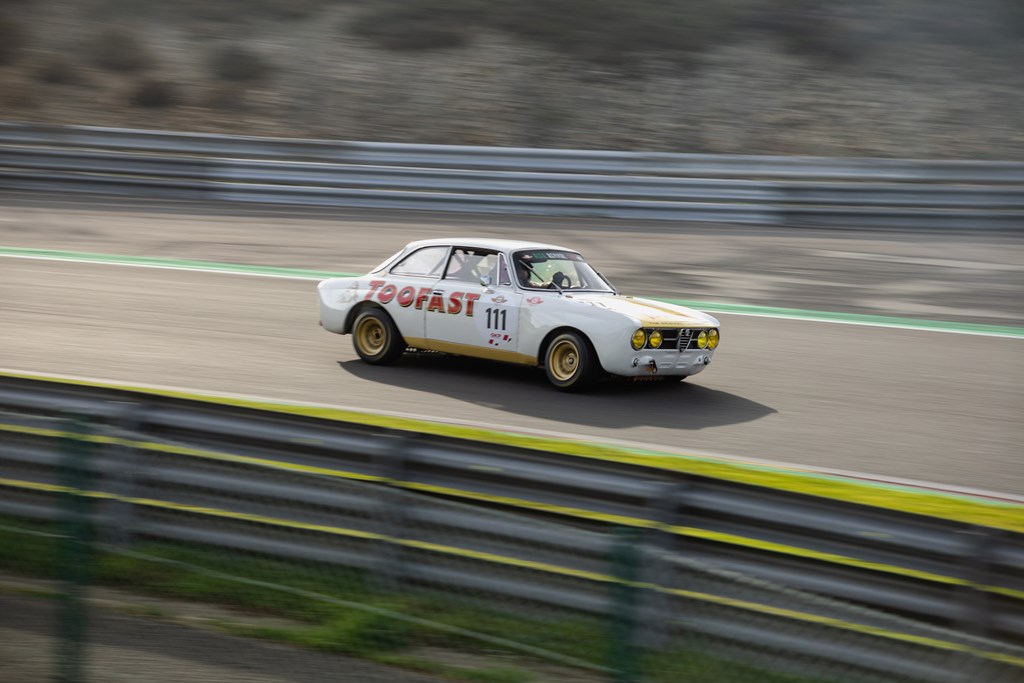
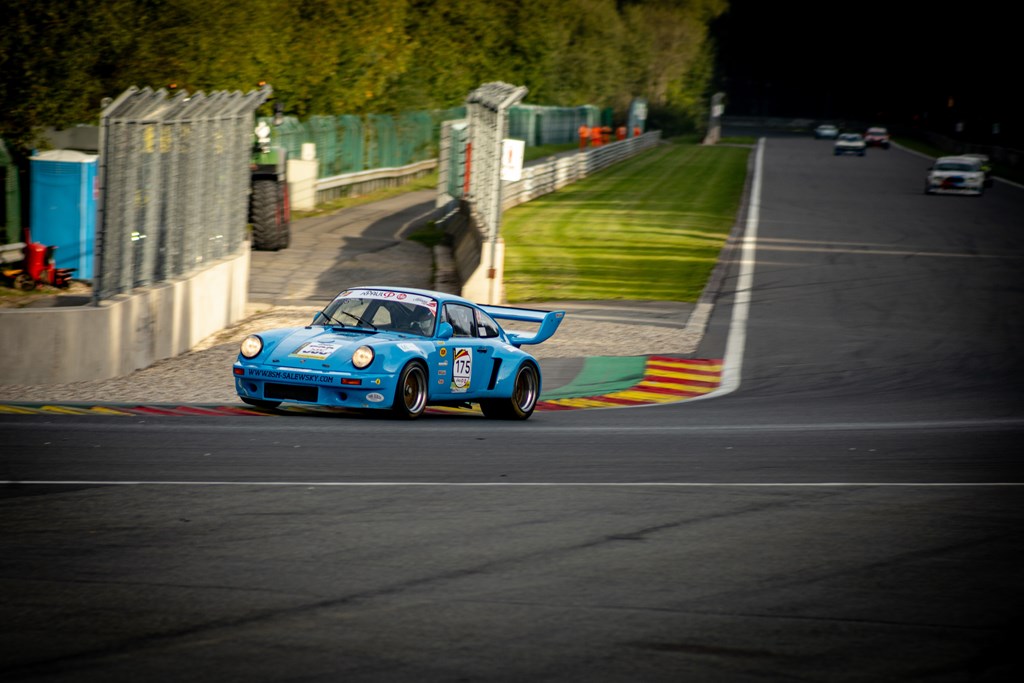
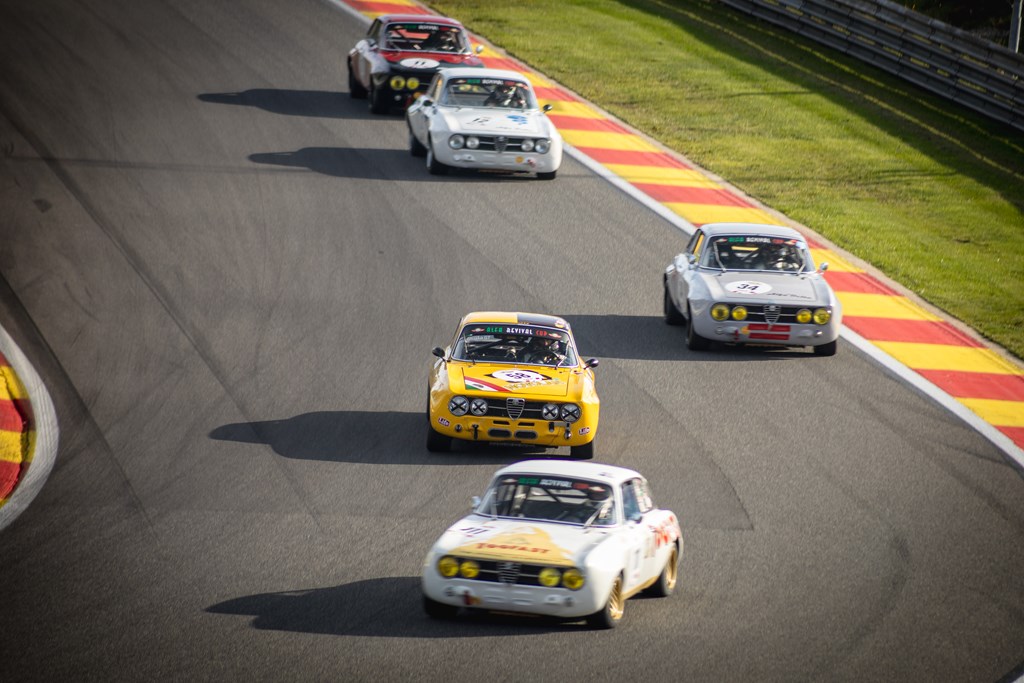
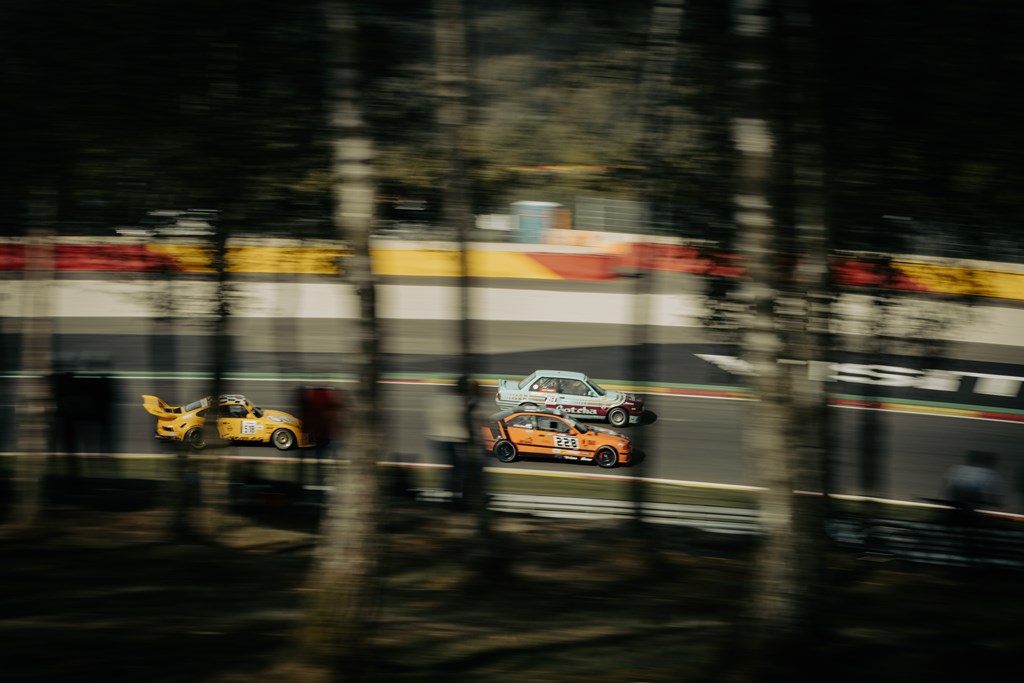
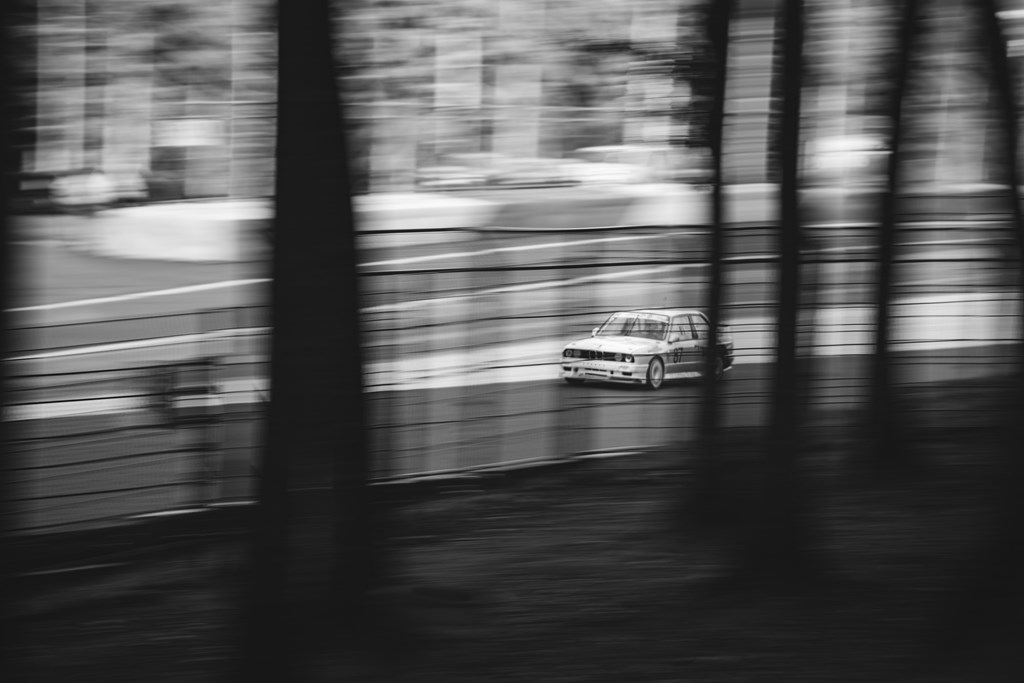
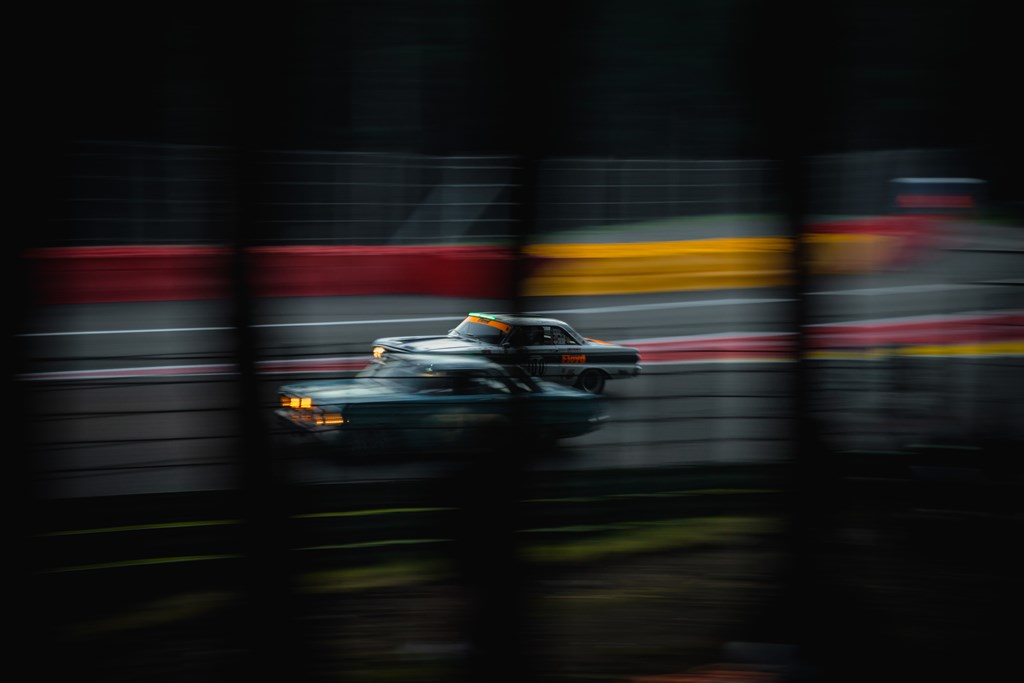
But the Six Hours are only part of the story. A packed programme of support races filled the days before the endurance race. In the Alfa Revival Cup, Alfas built between 1947 and 1981 fought wheel to wheel. The Belcar Historic Cup brought together classics and youngtimers: picture historic DTM and WTCC machinery charging flat out through Raidillon, drivers attempting audacious divebombs into Les Combes.
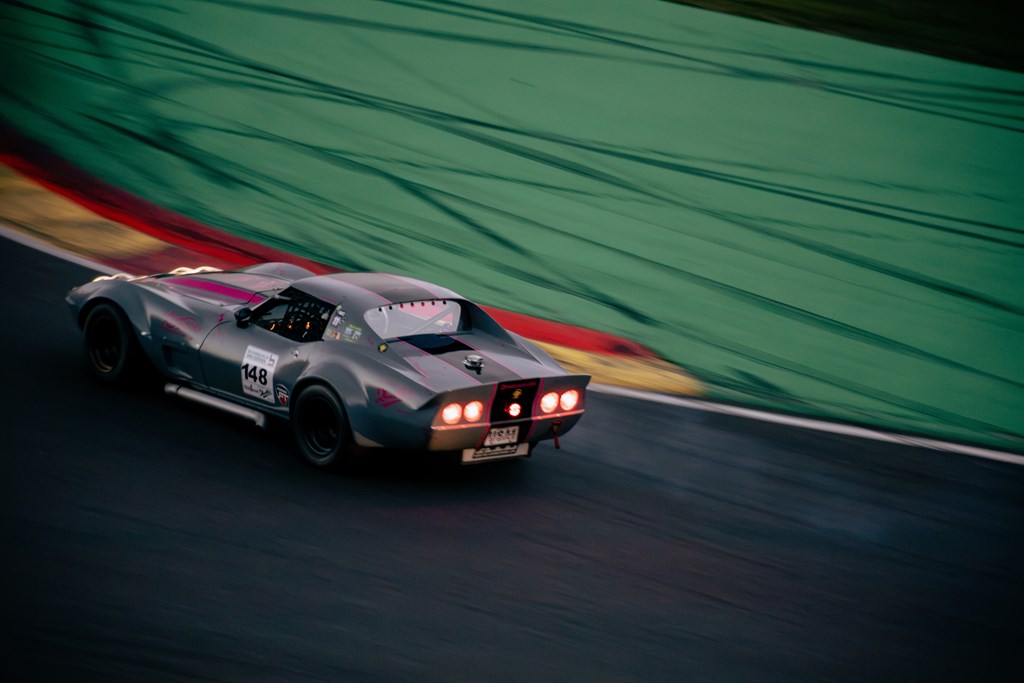
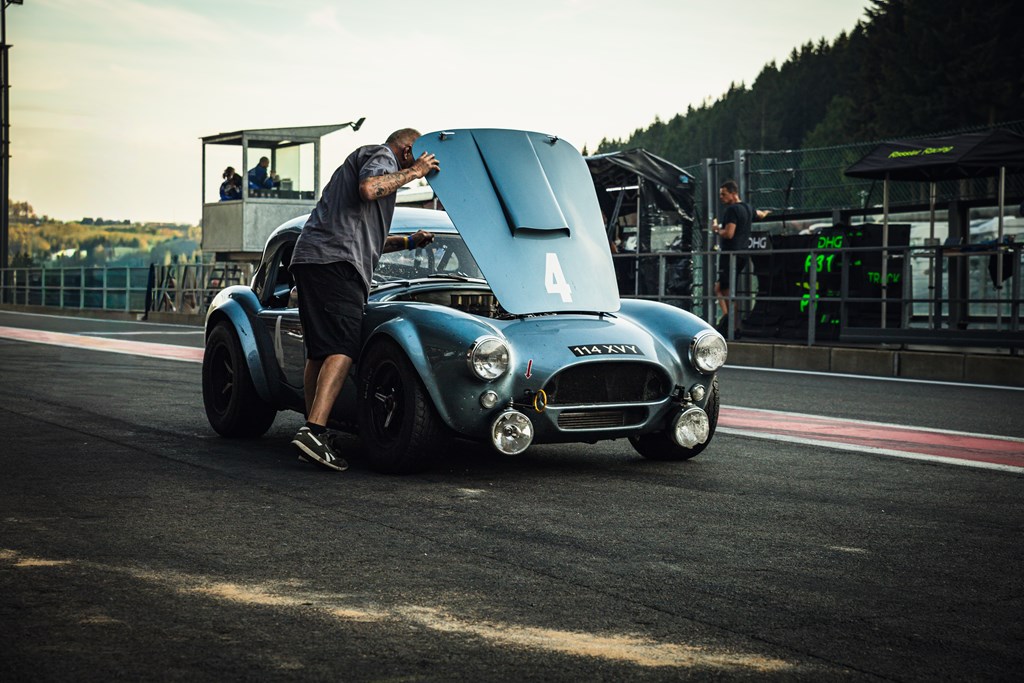
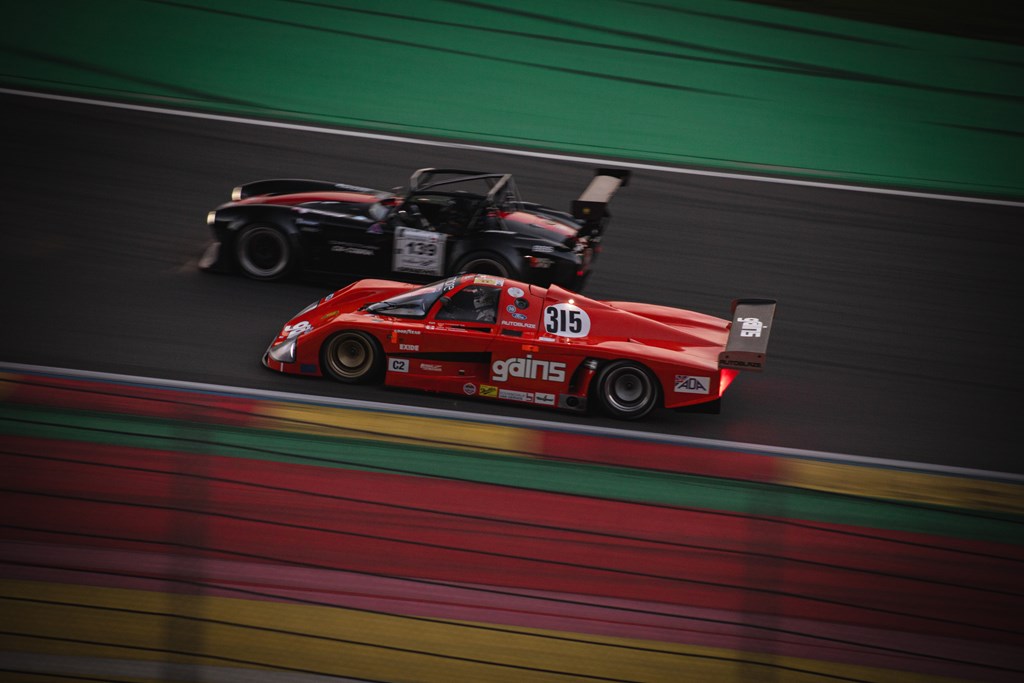
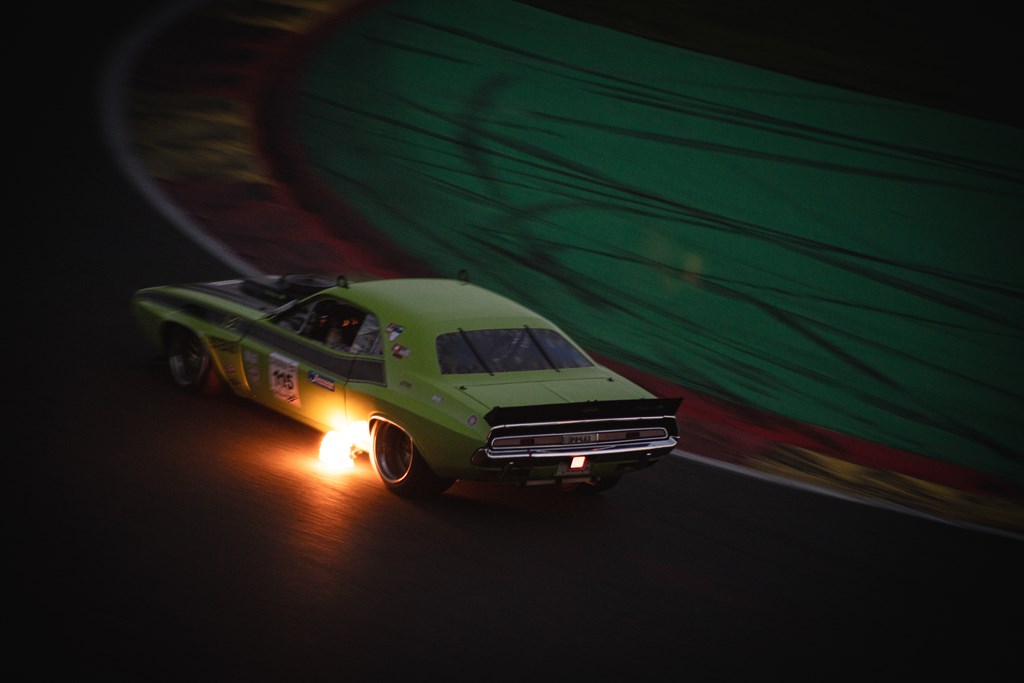
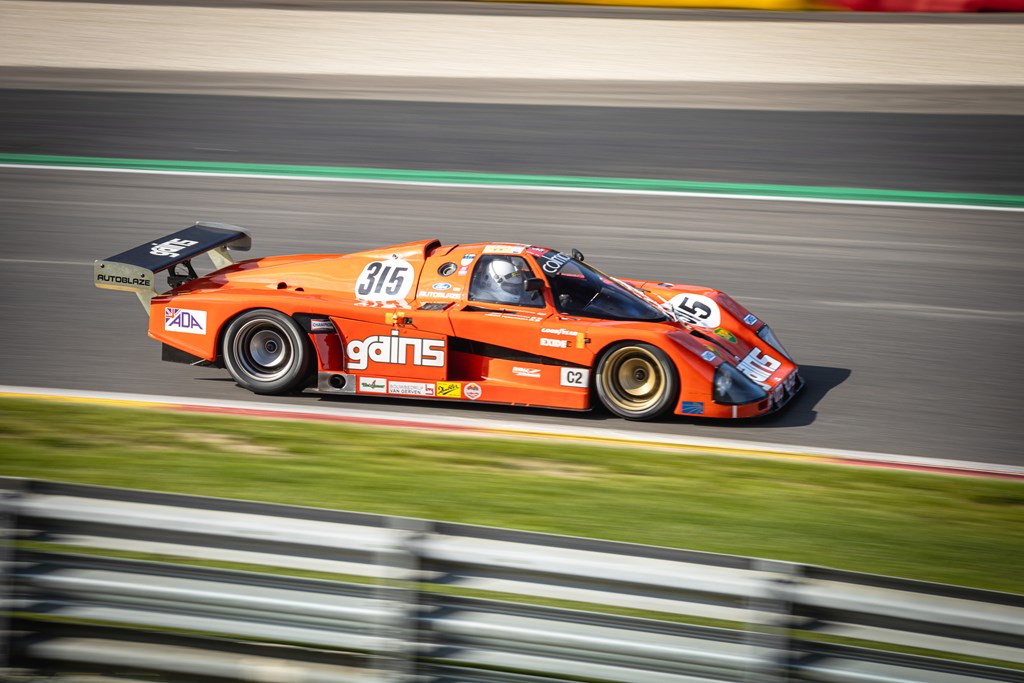
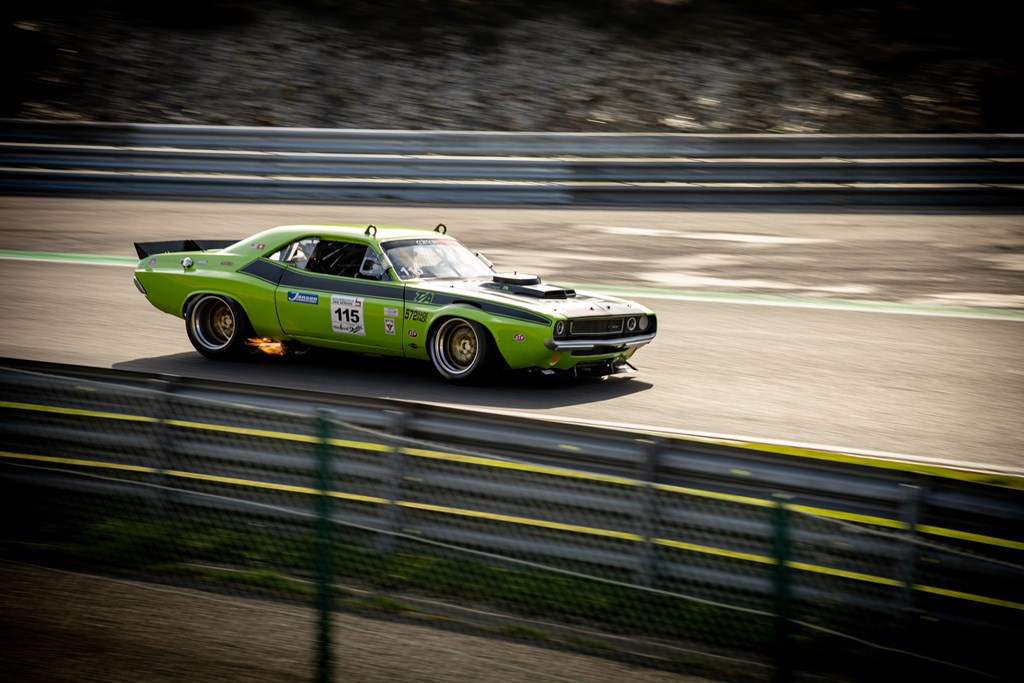
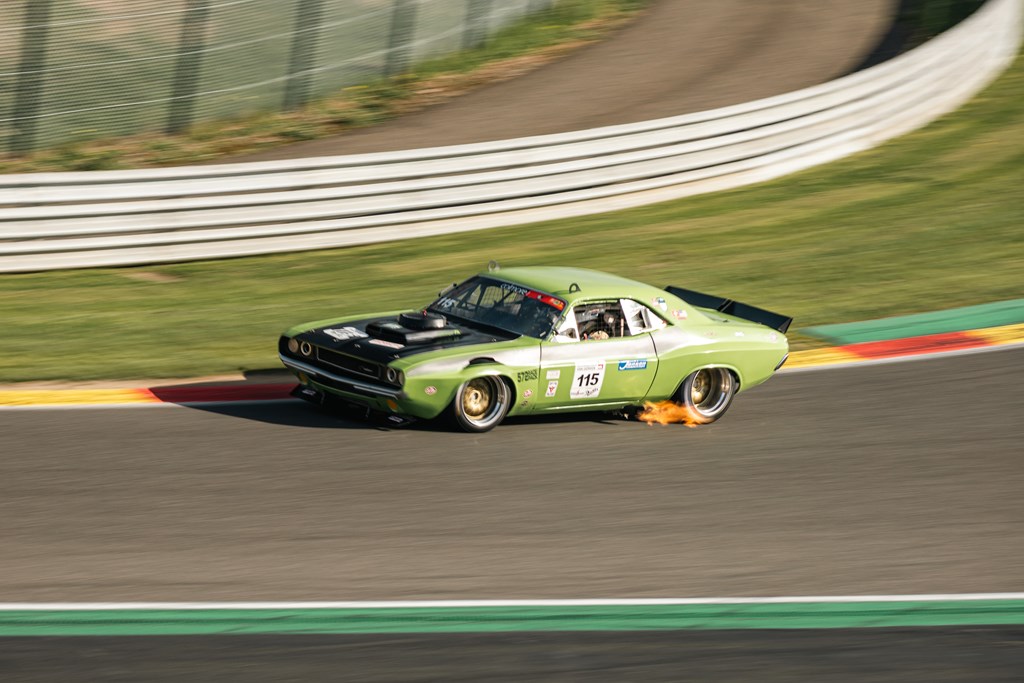
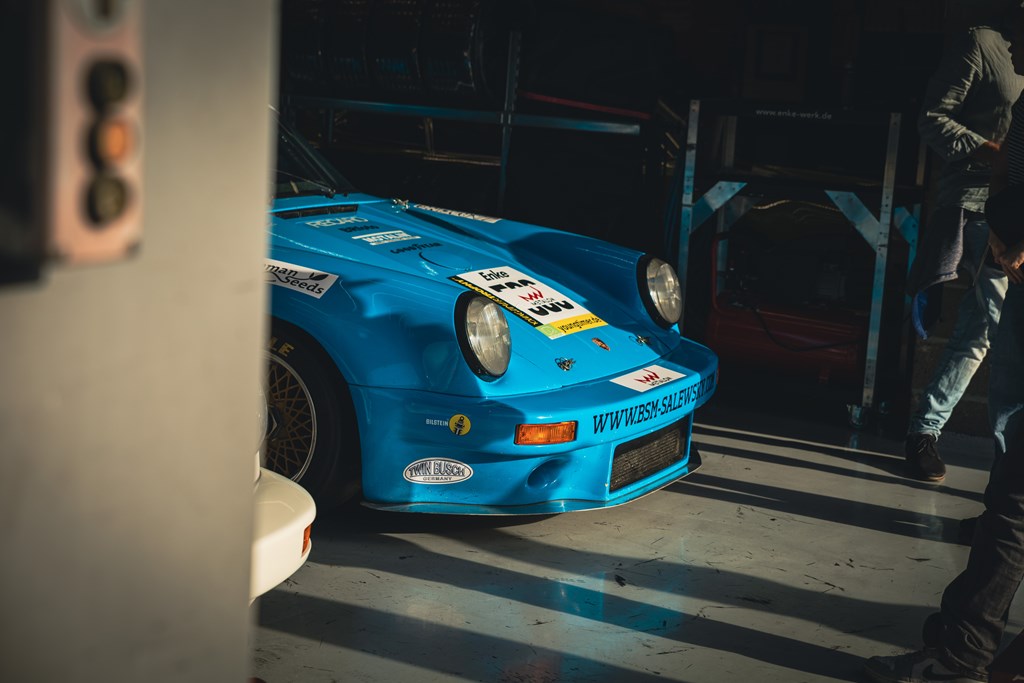
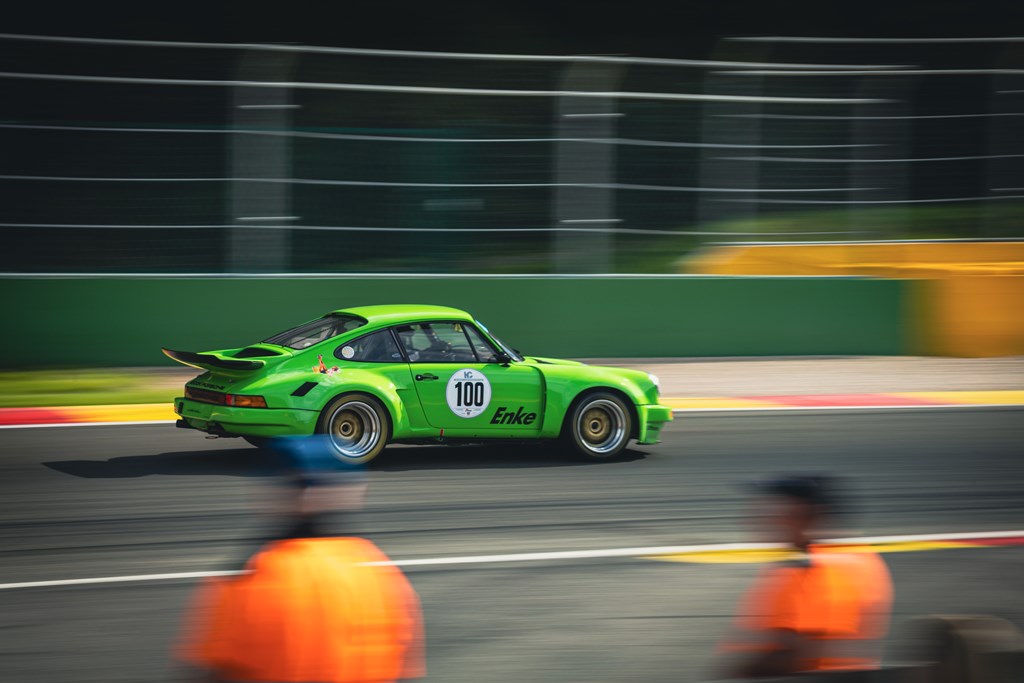
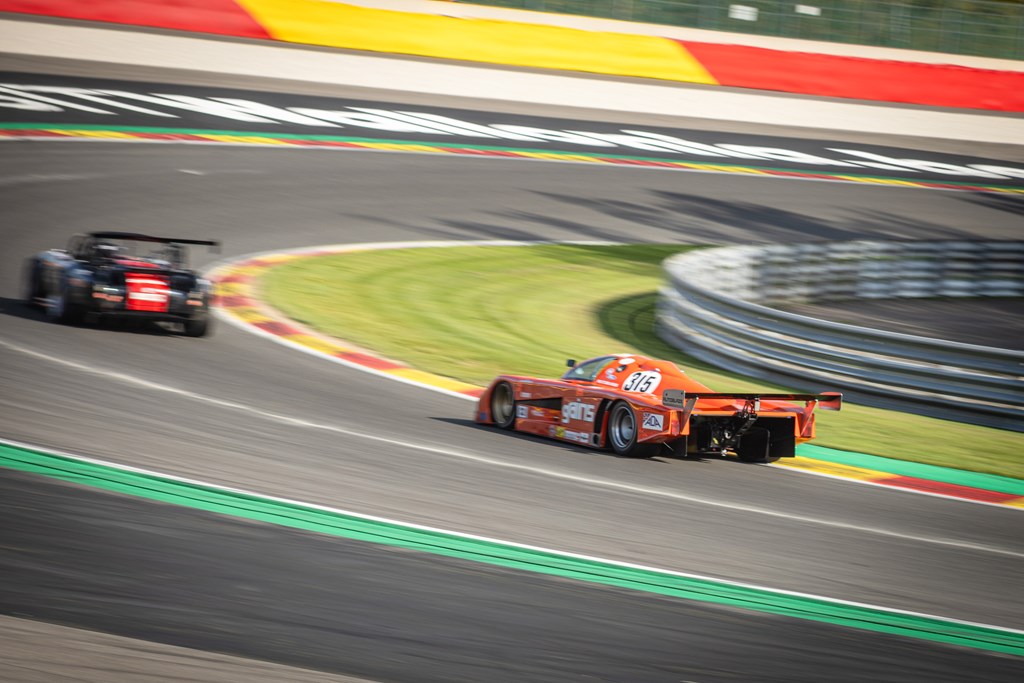
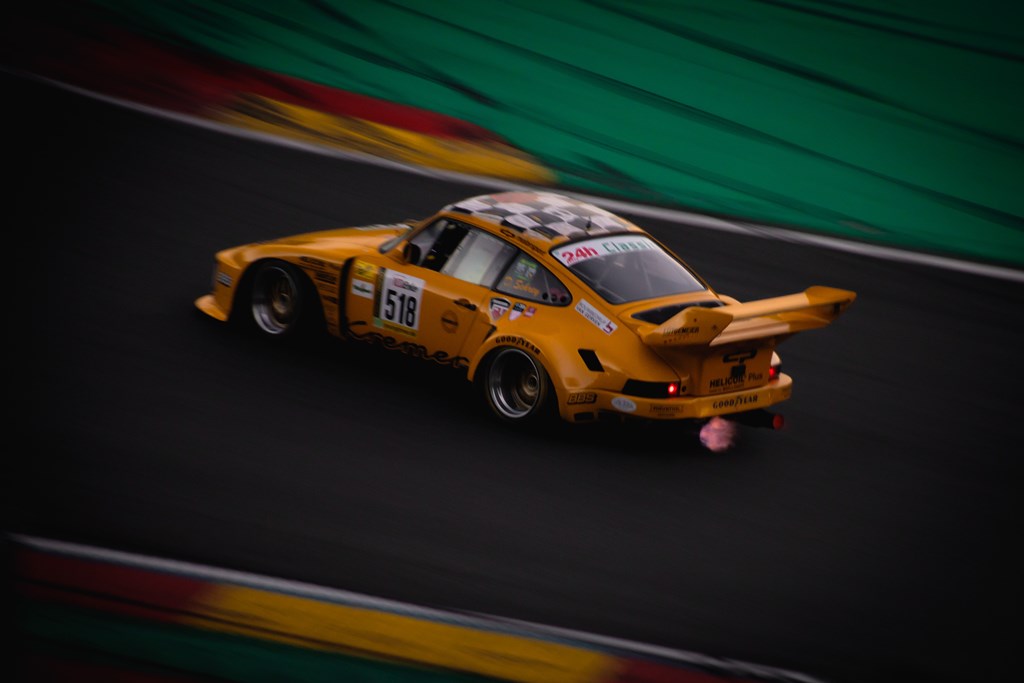
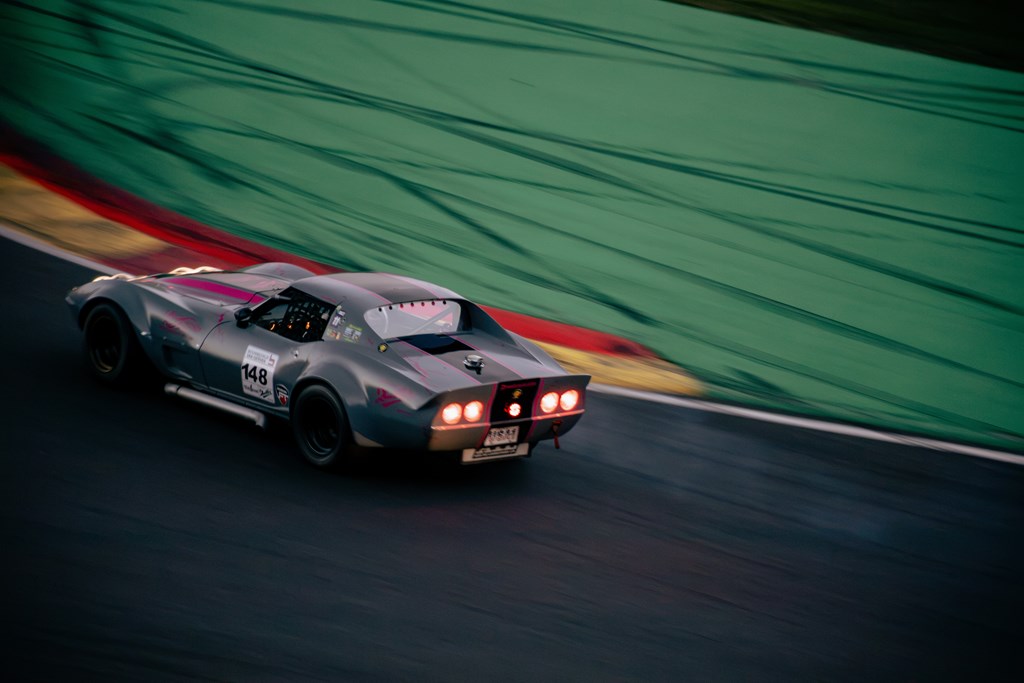
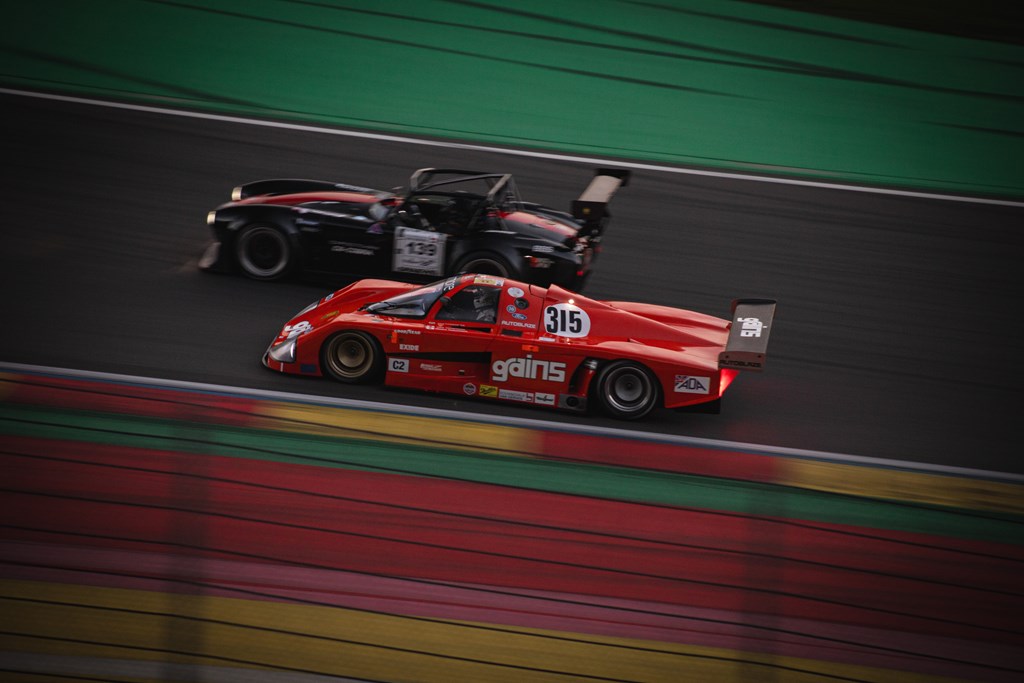
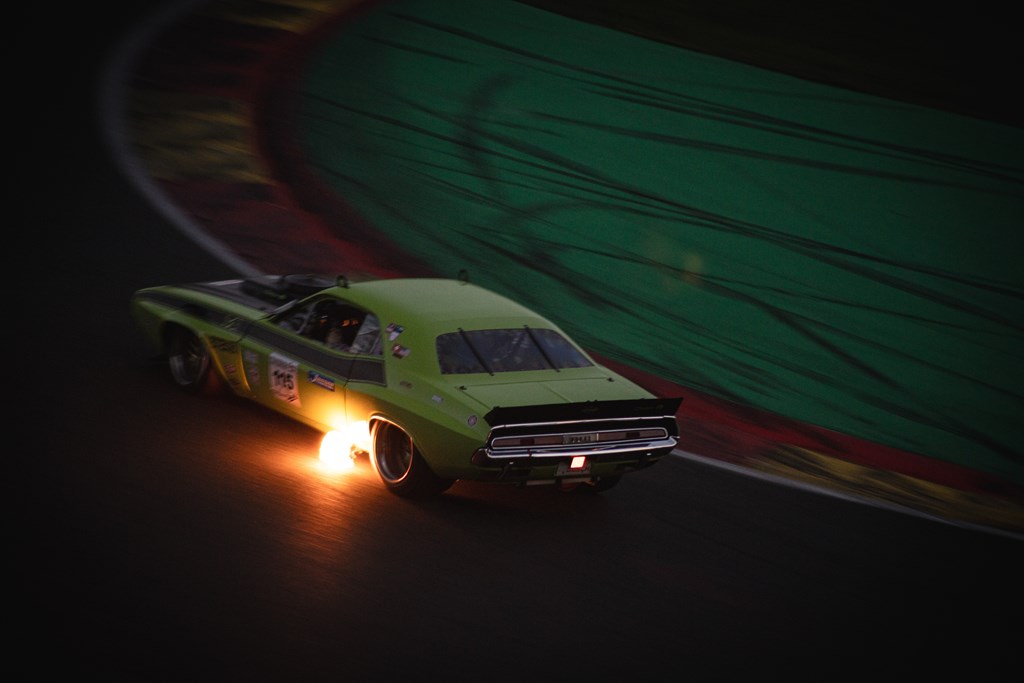
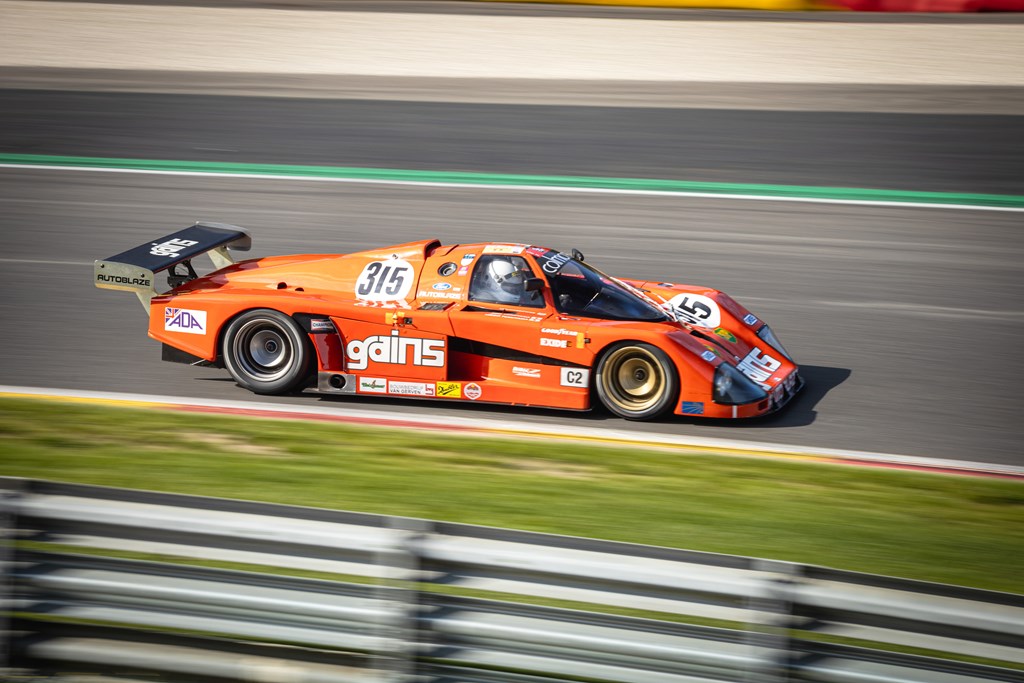
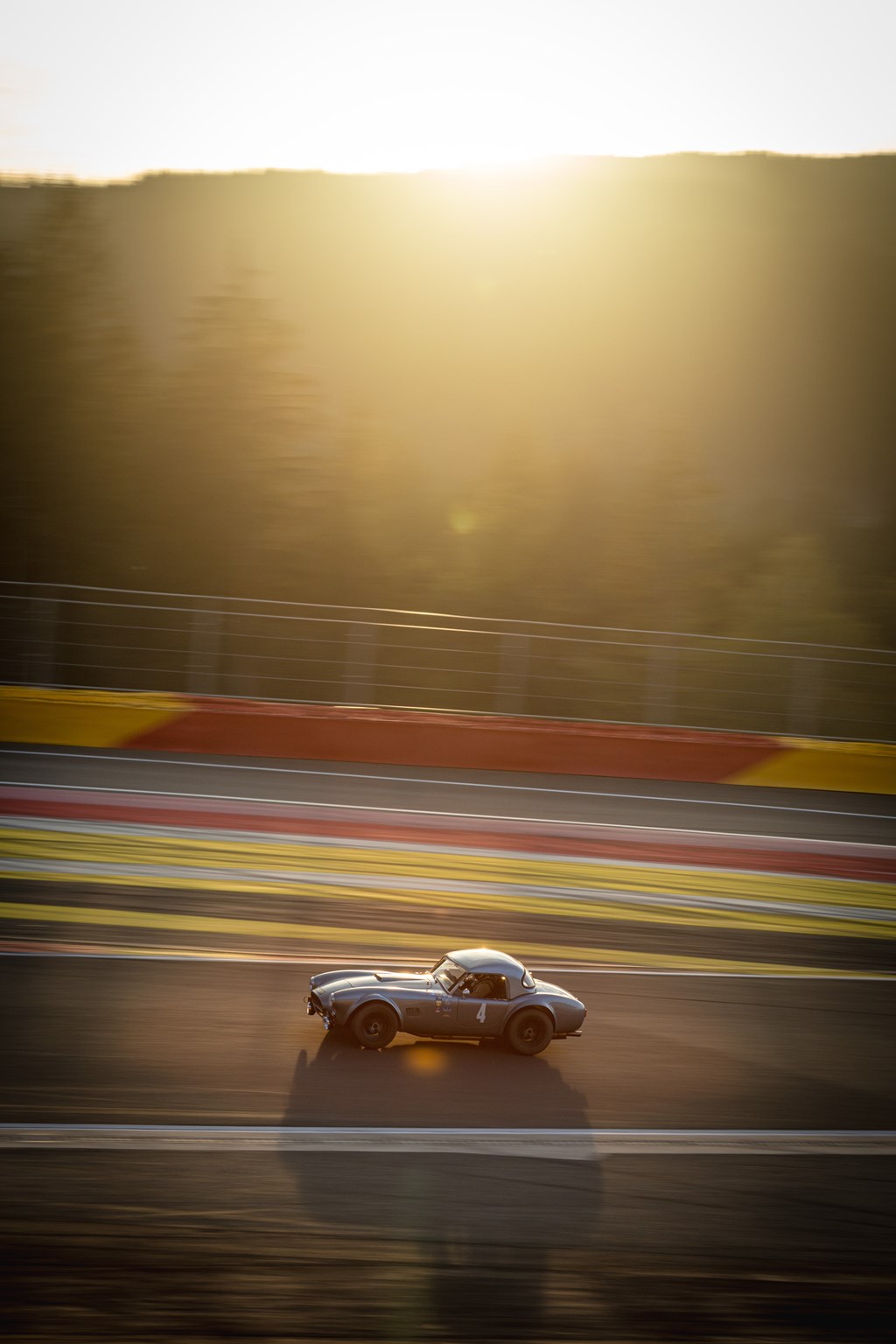
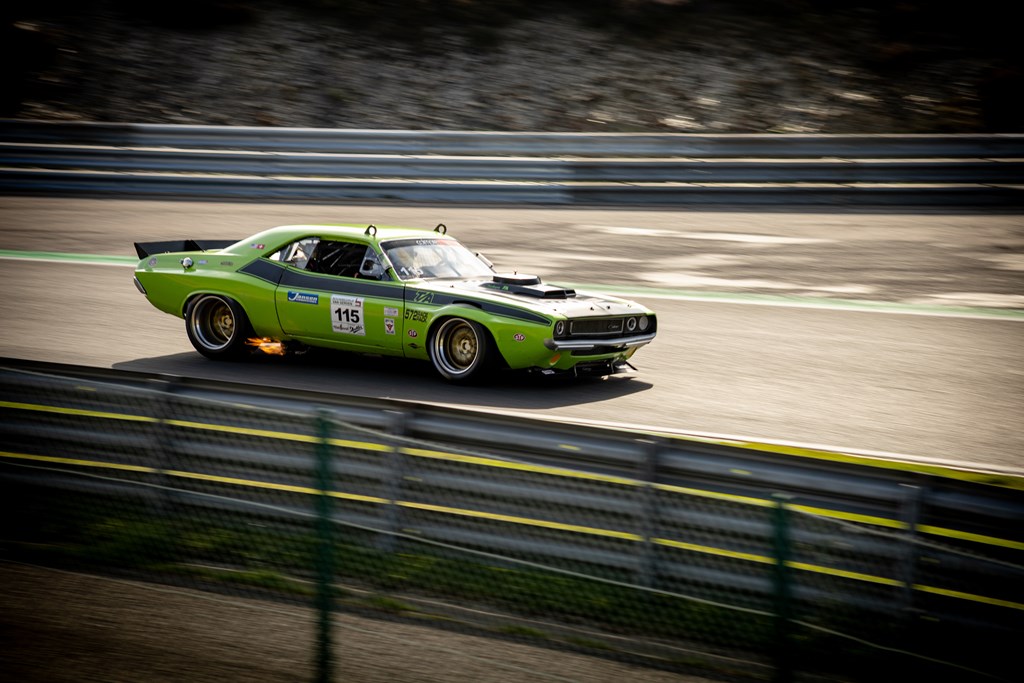
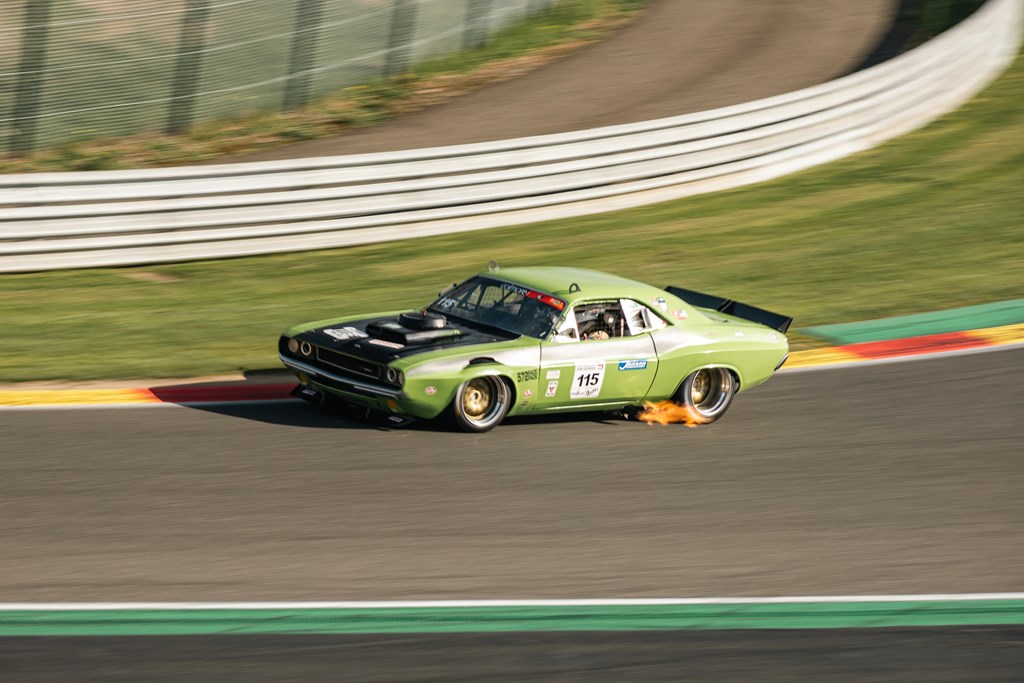
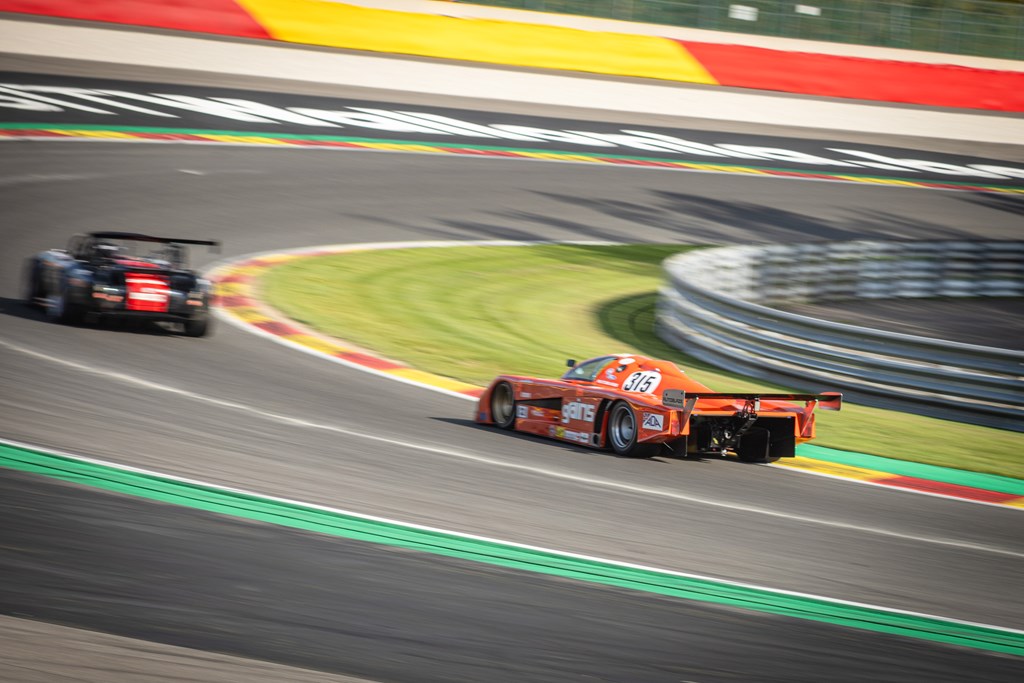
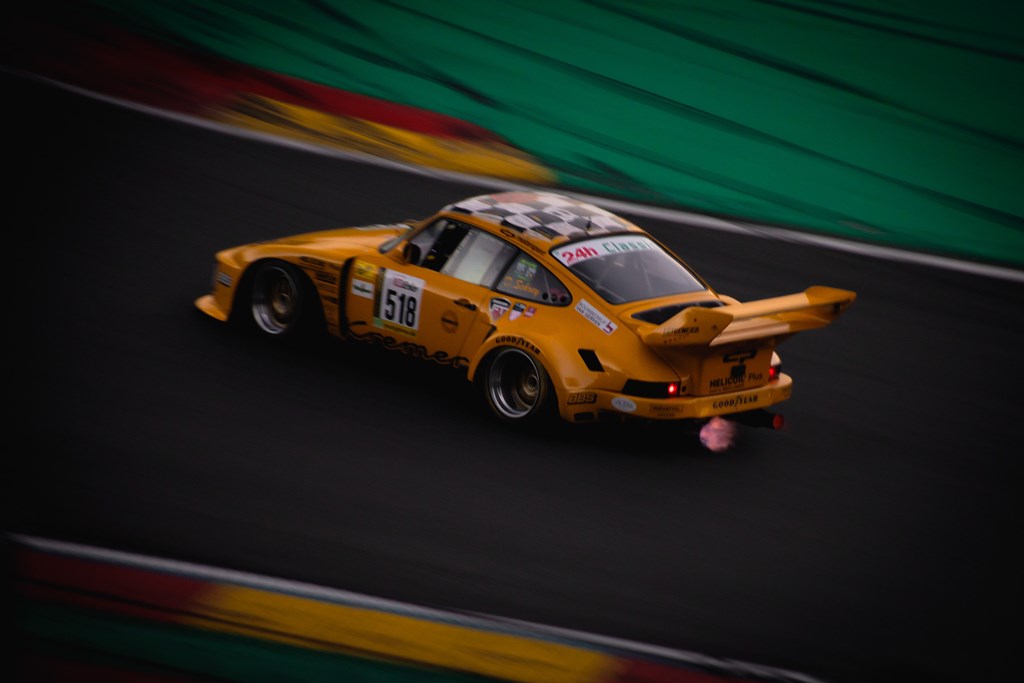
The Colmore Youngtimer Touring Car Challenge added touring cars (no, not the coach-sized variety), prototypes, and Le Mans and IMSA racers built before 1990. A heavily modified AC Cobra traded blows with an ADA03 C2 prototype, while flames spat from the exhausts of a Kremer K1 and an outrageously loud Dodge Challenger.
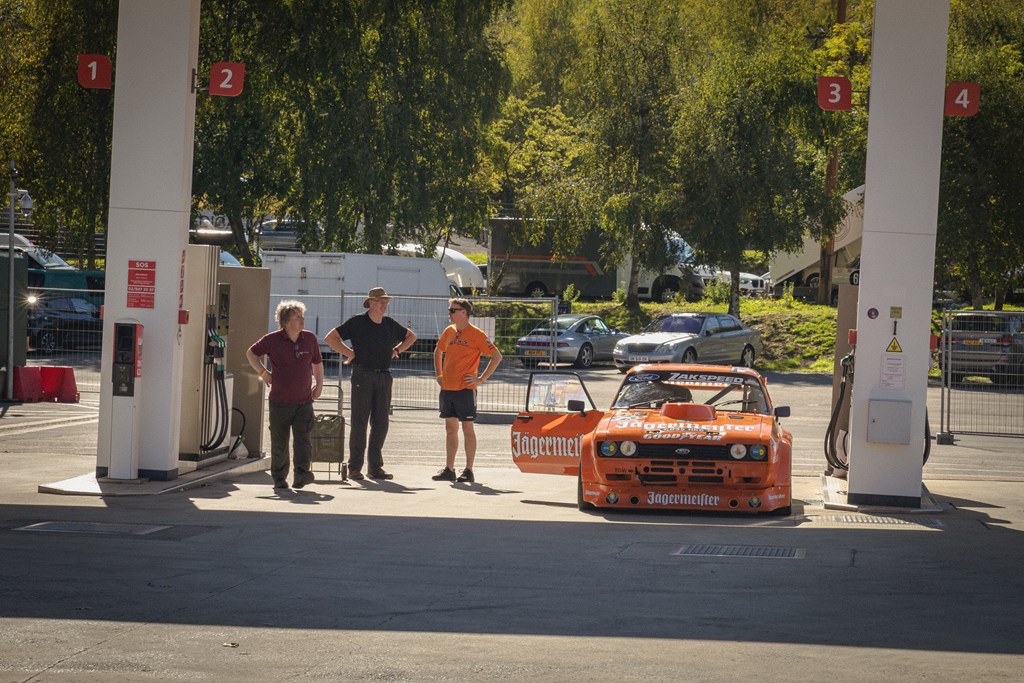
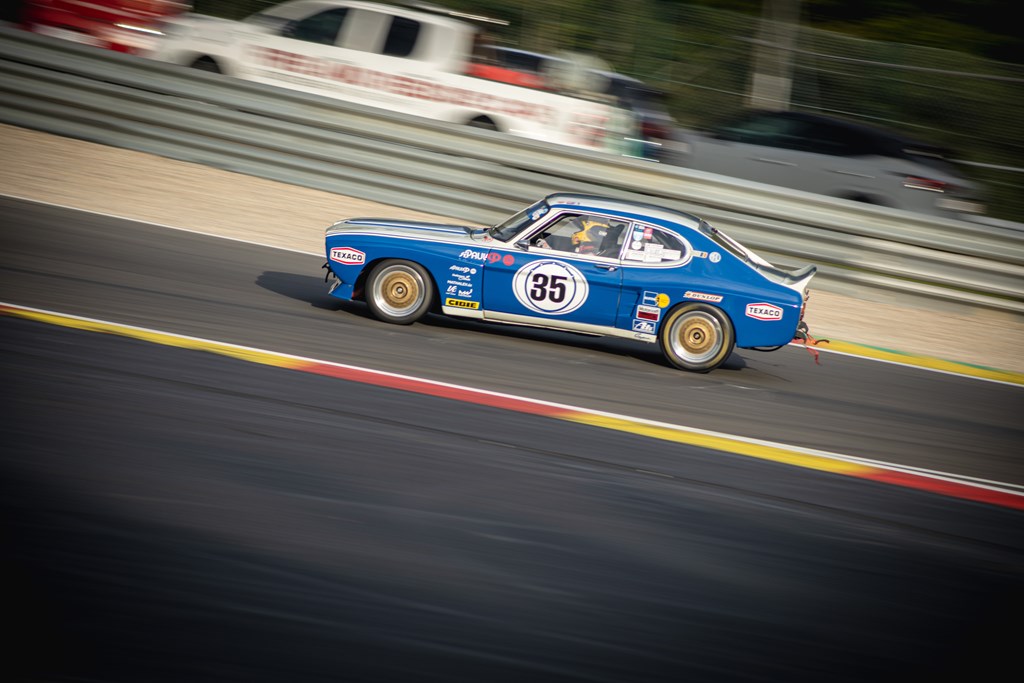
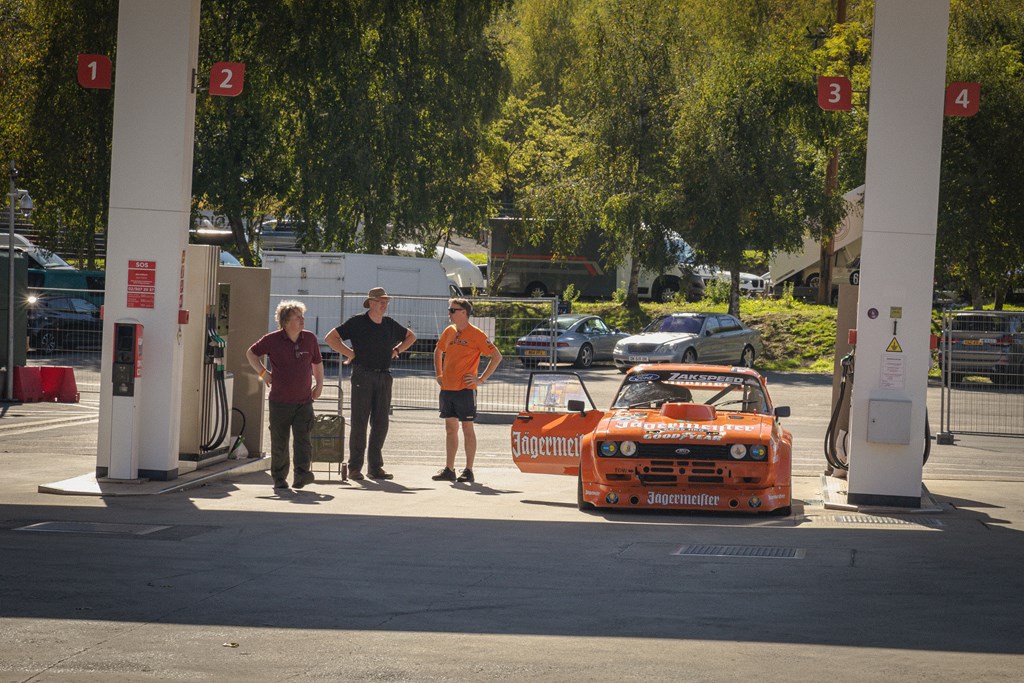
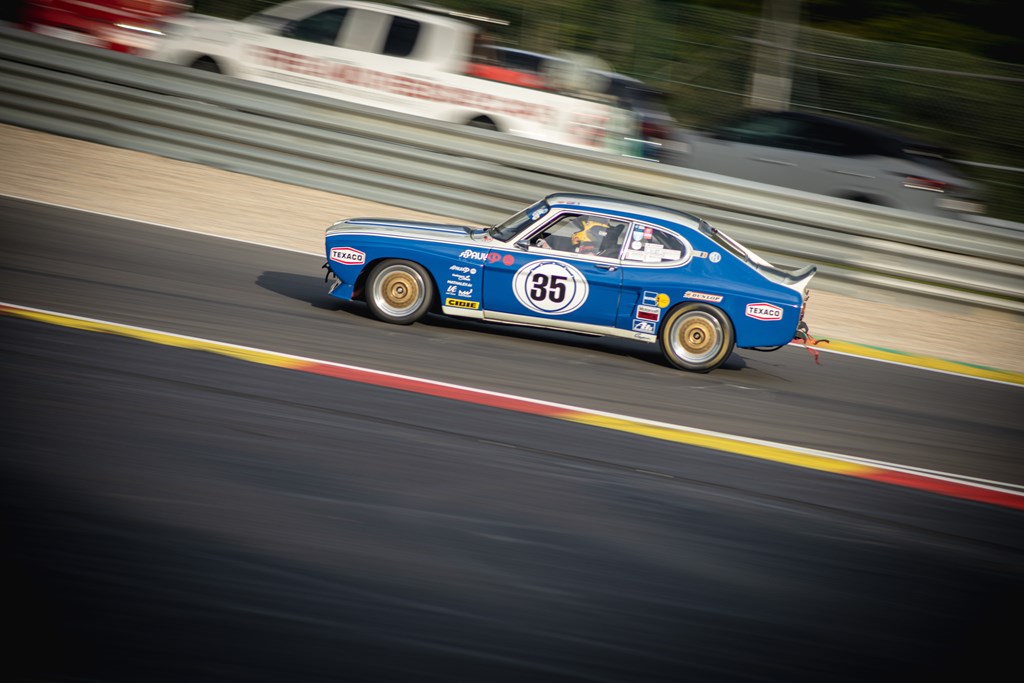
As if that weren't enough, there were separate races for pre-1965 GT cars and two-seaters, plus a class for race cars built before 1981. Although these overlap heavily with the Six Hours regulations, the grids were entirely different. Several remarkable prototypes took part, but the show was stolen by the thunderous Ford Capri RS3100. Standing at the foot of Pouhon, camera at the ready, I could hear it accelerating from La Source towards Eau Rouge long before it came into view. Utterly mad.
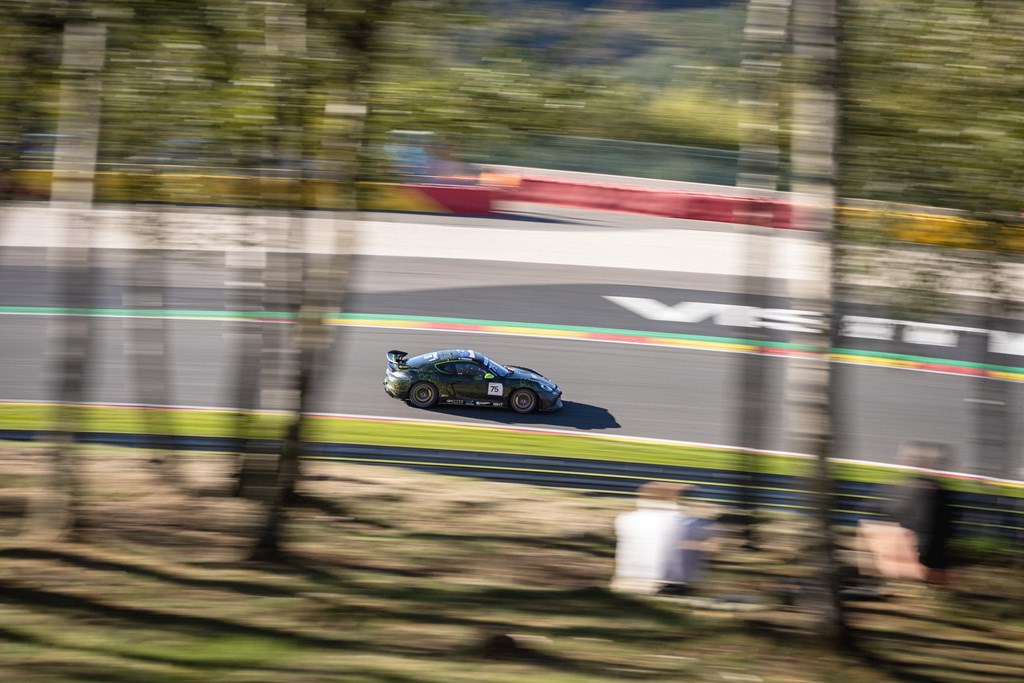
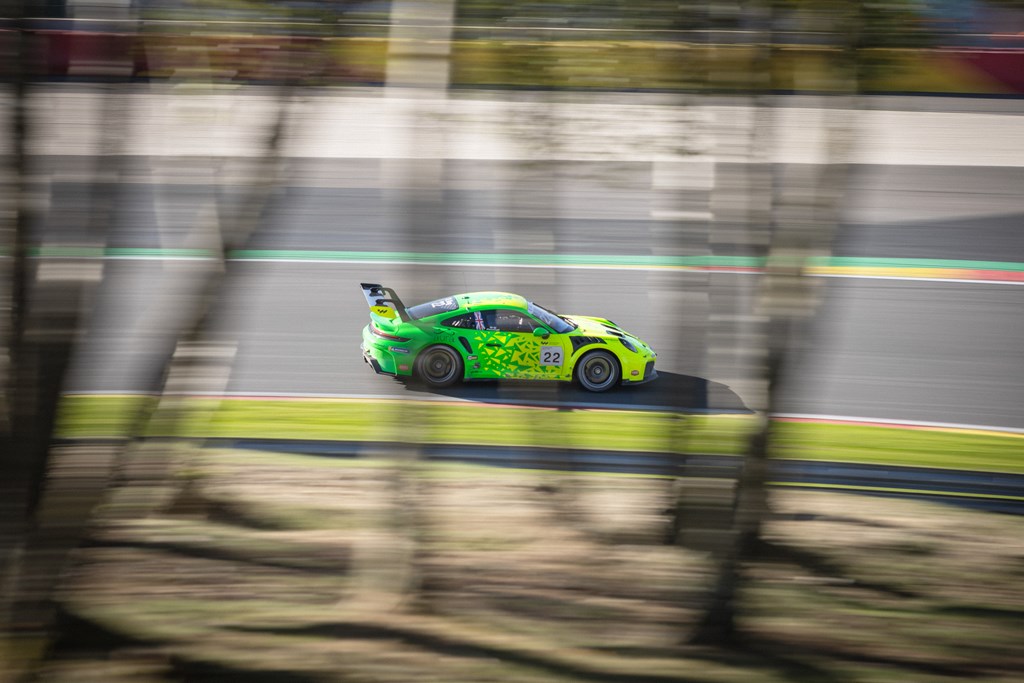
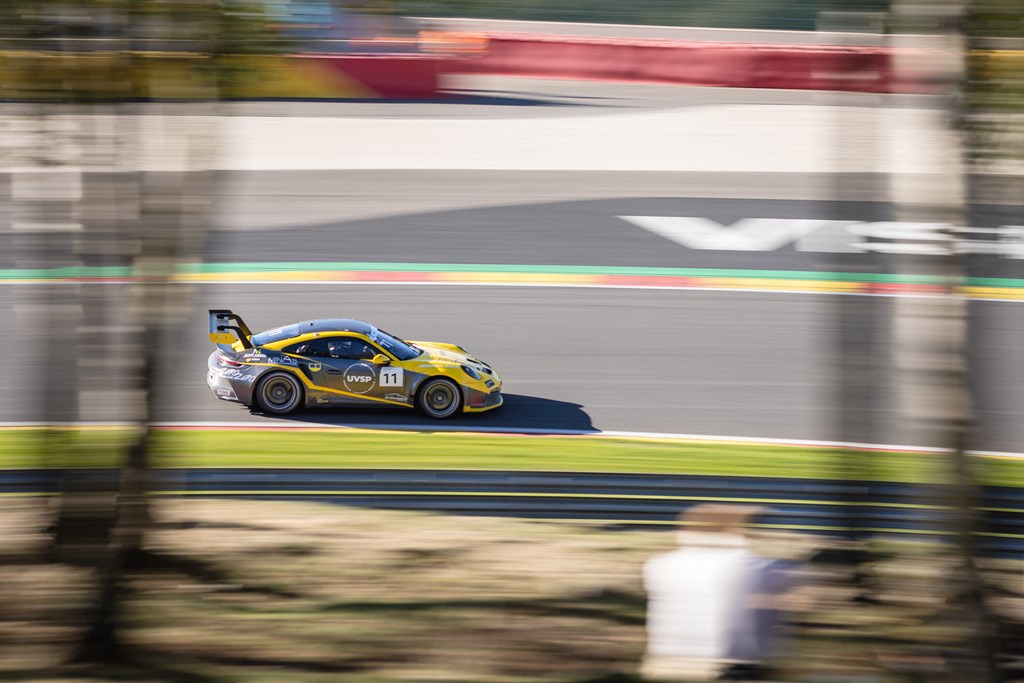
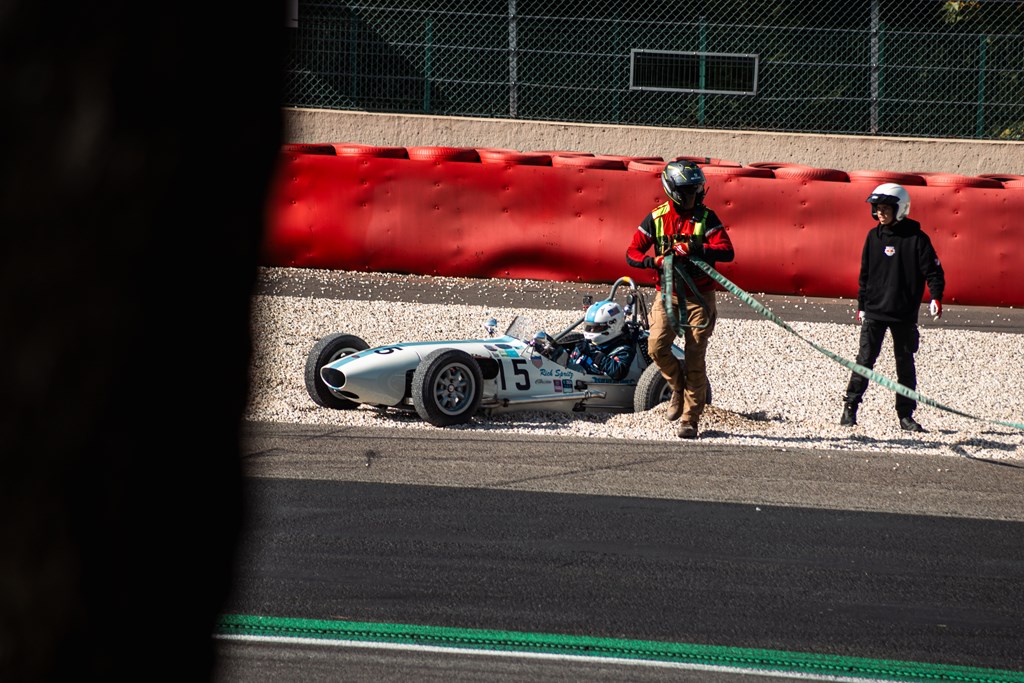
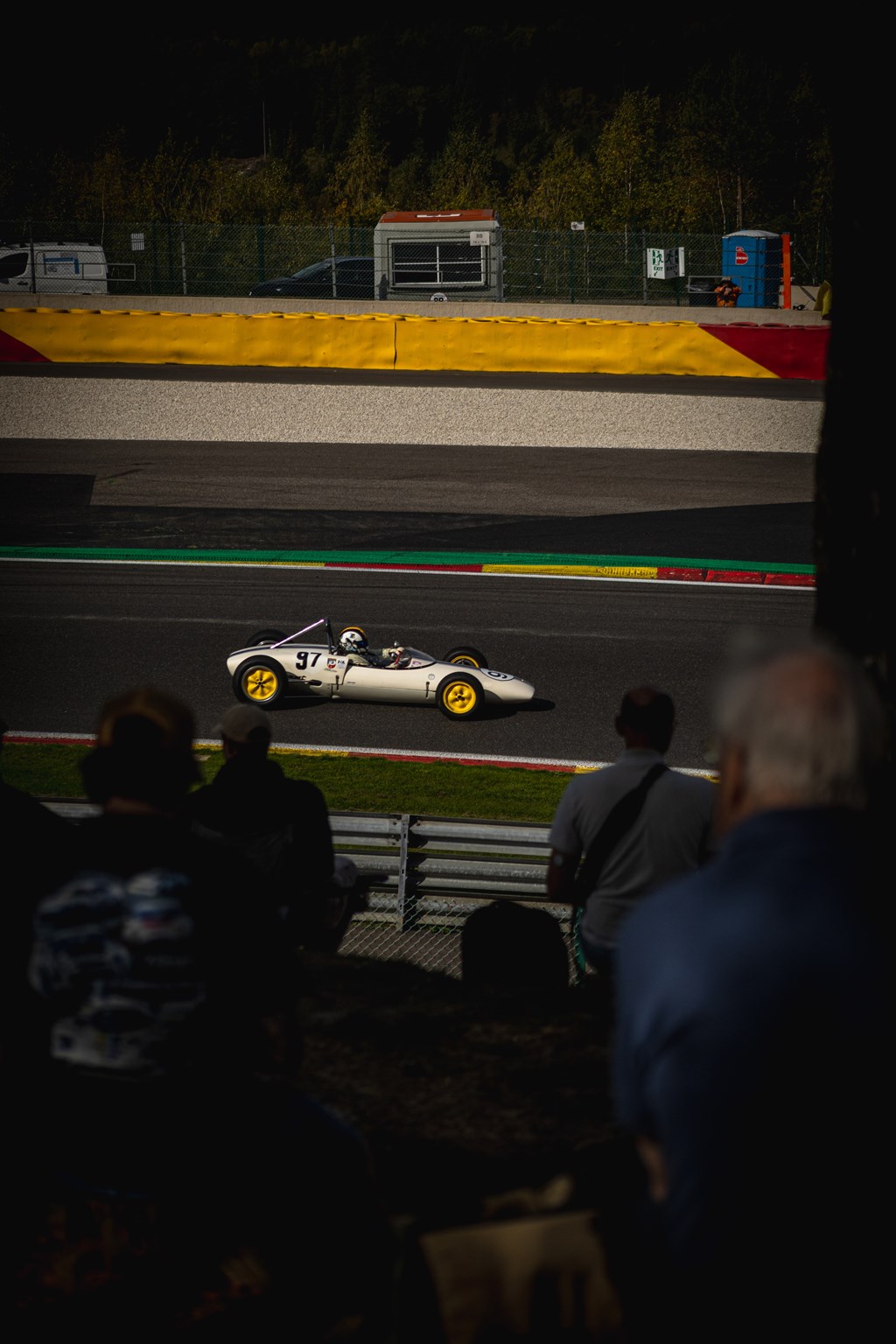
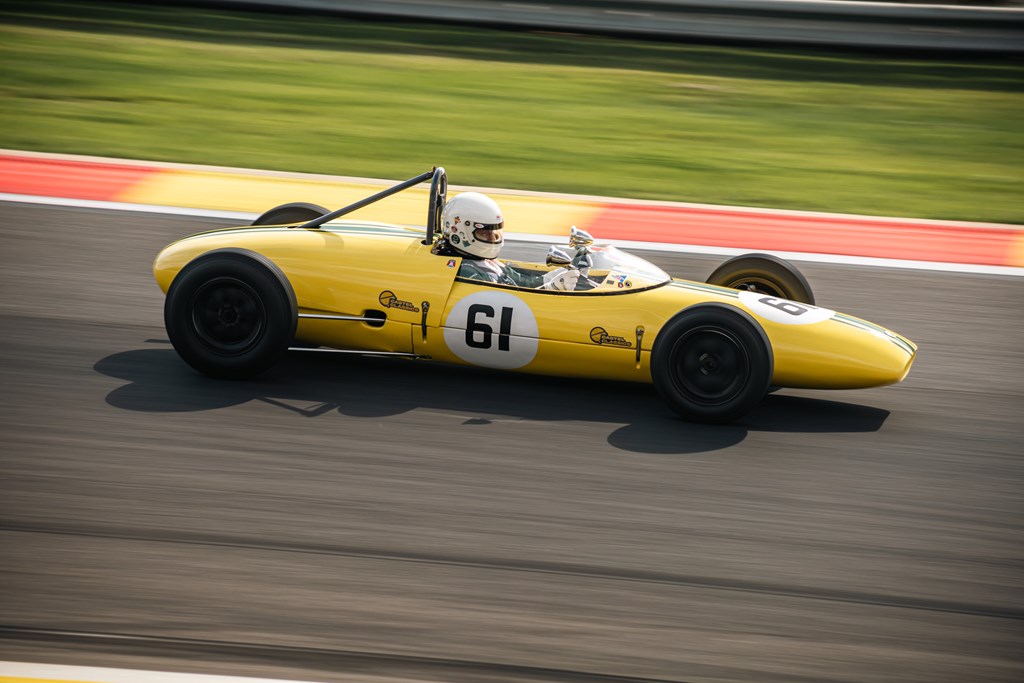
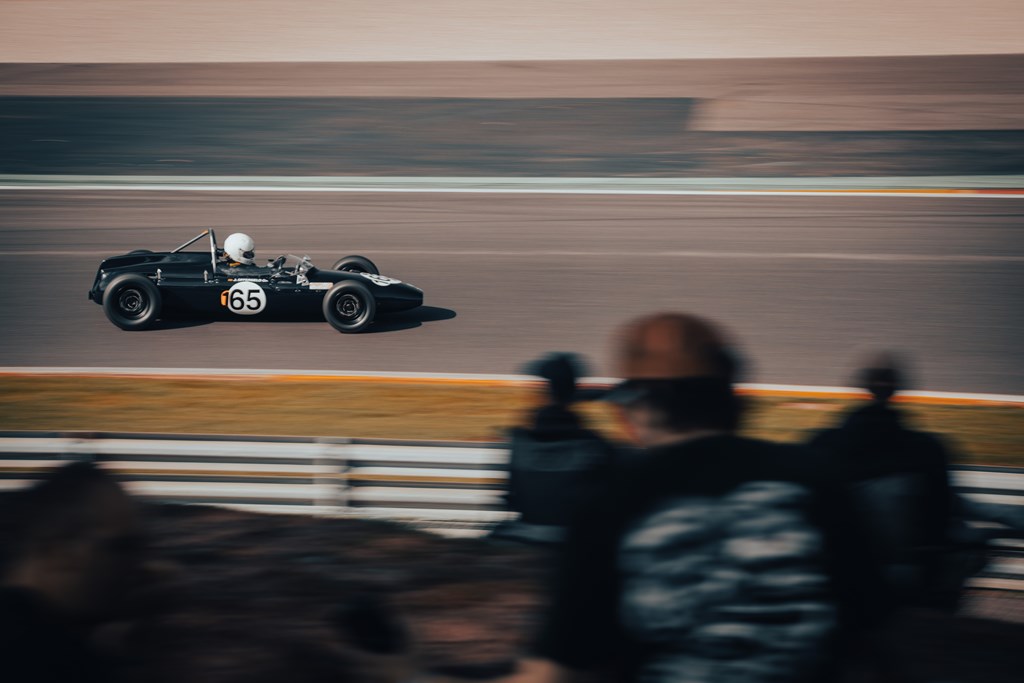
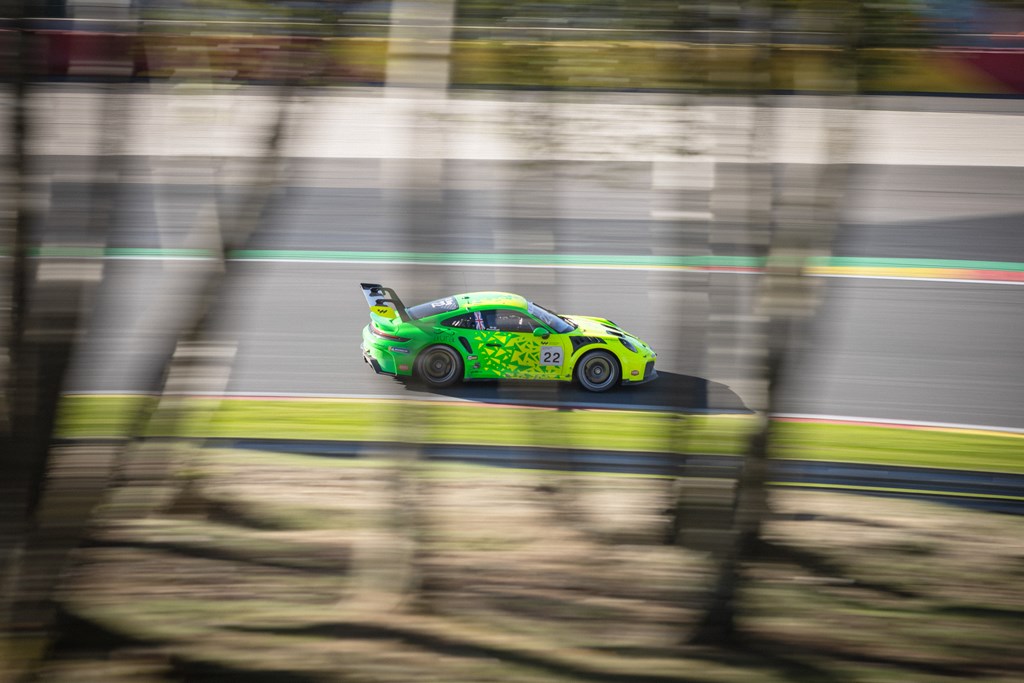
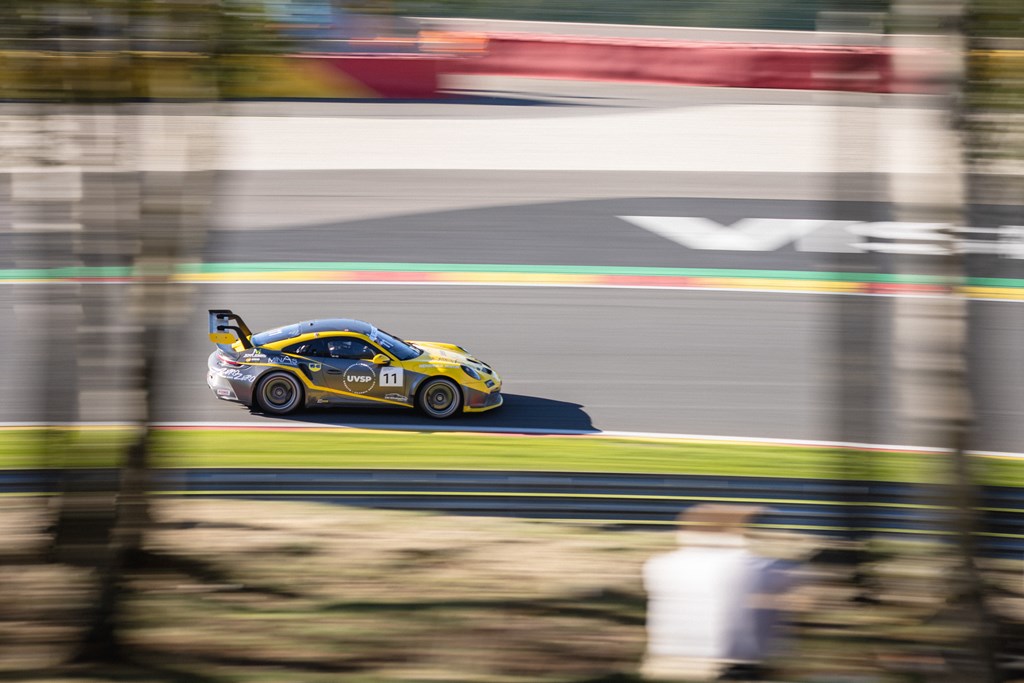
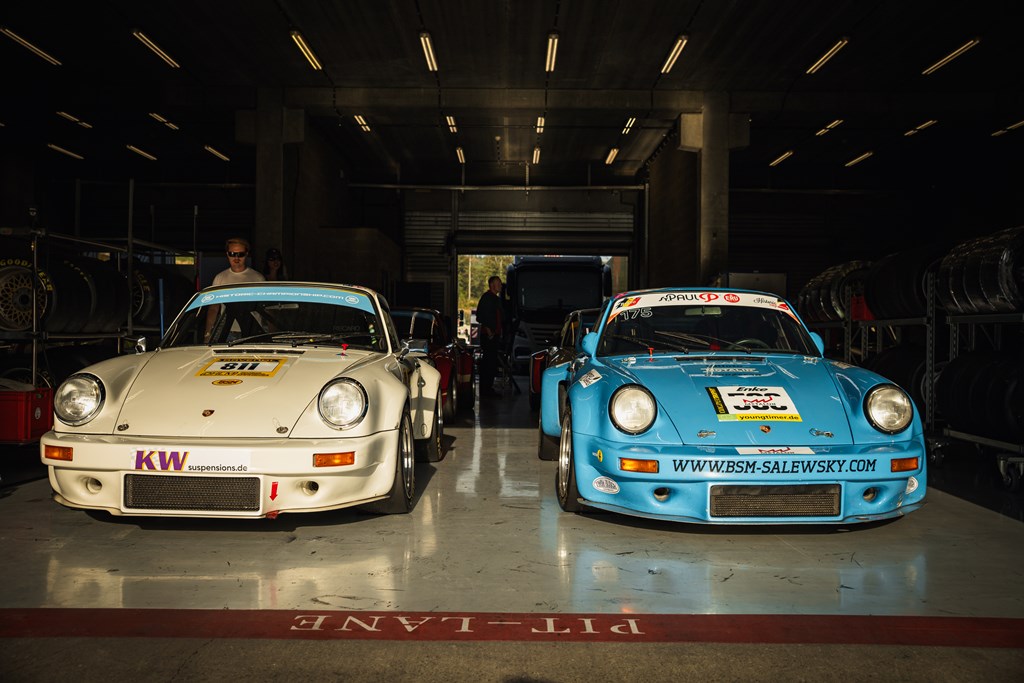
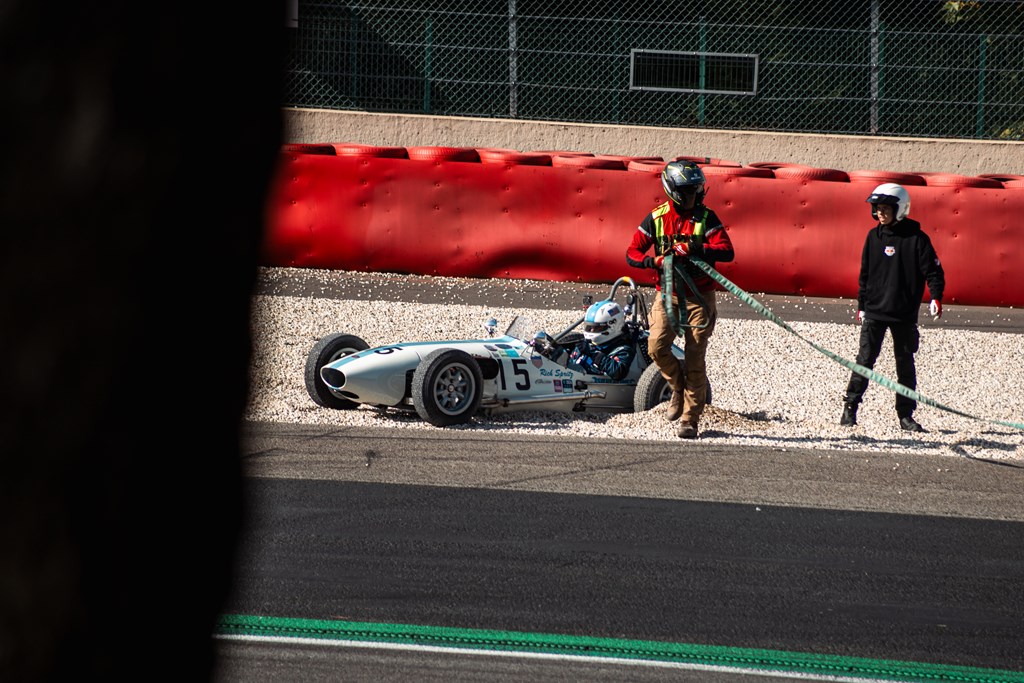
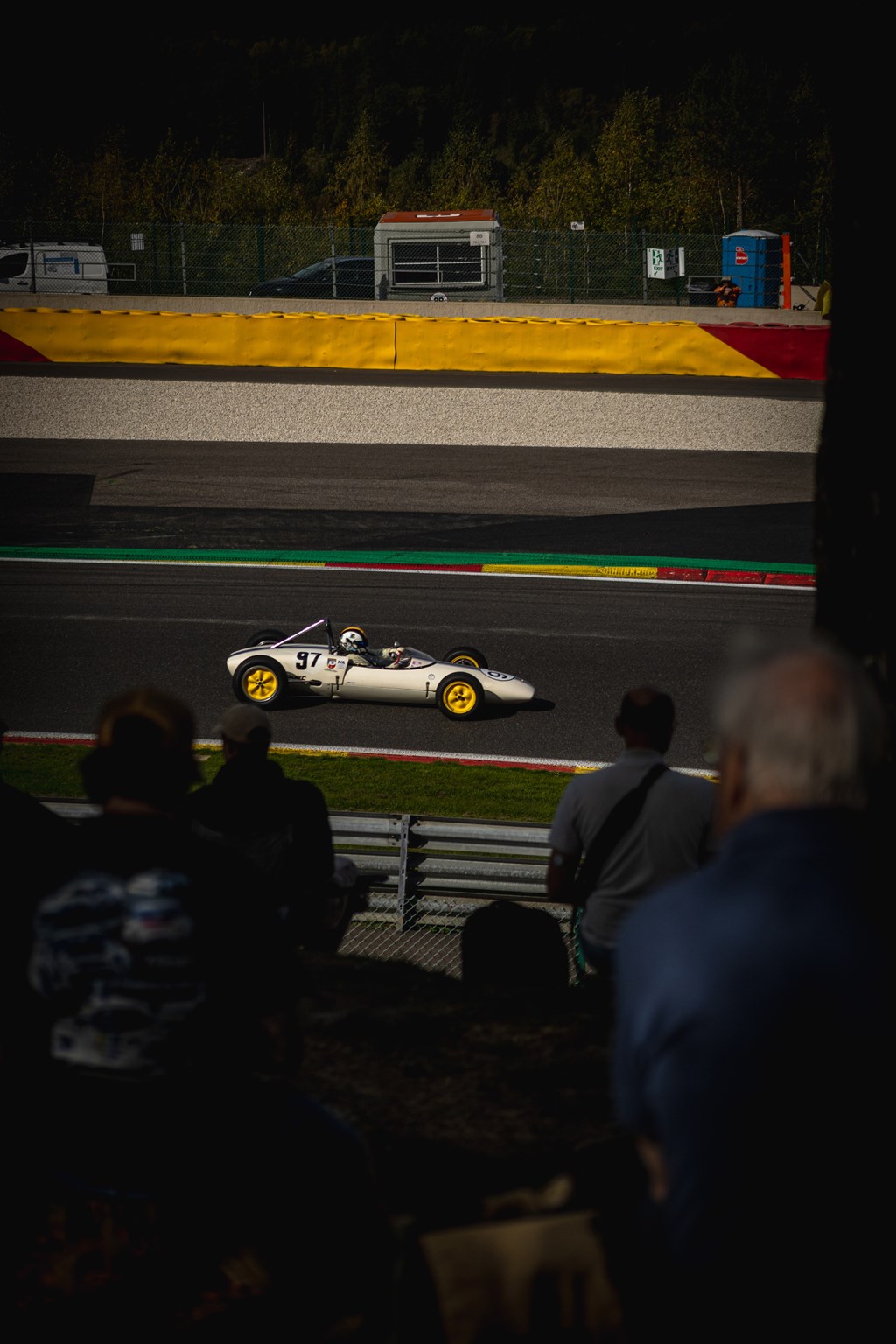
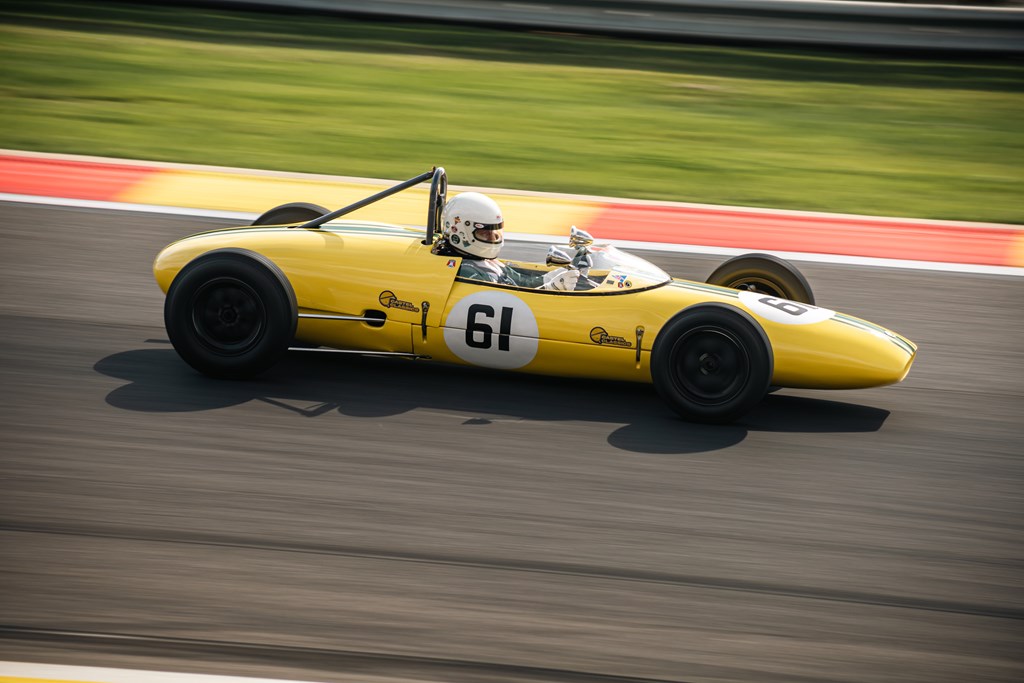
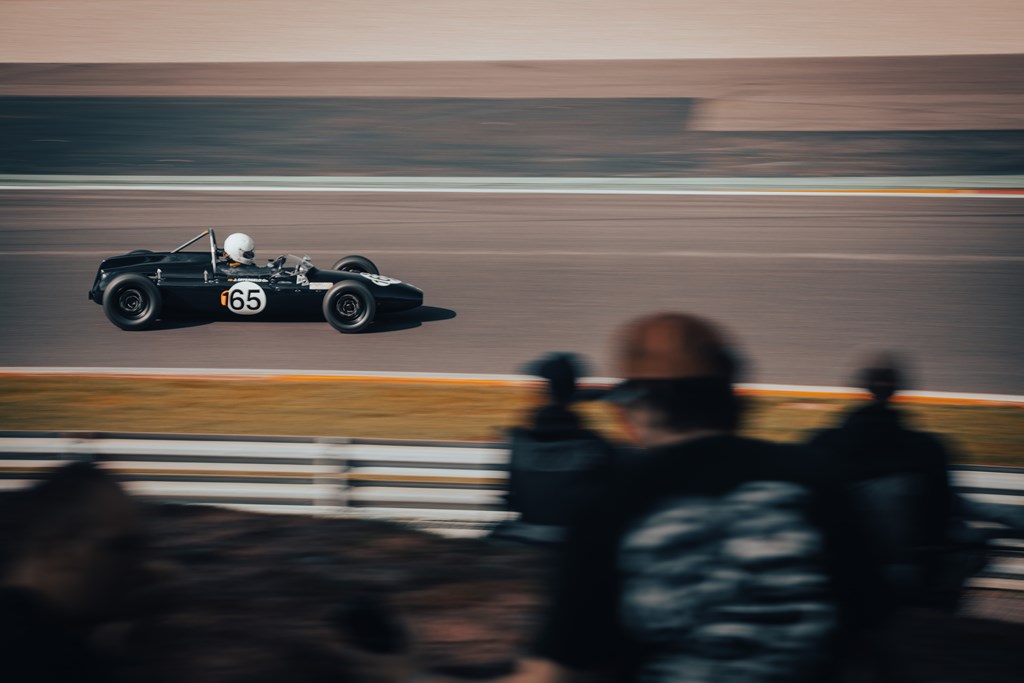
The programme was rounded off with historic Formula Junior cars and pre-war Frazer Nash racers. And for anyone who had somehow had their fill of historic machinery, Friday brought the Porsche Sprint Challenge Benelux, with modern GT3 Cup and GT4 cars. In short: something for everyone.
The whole circuit, no media pass
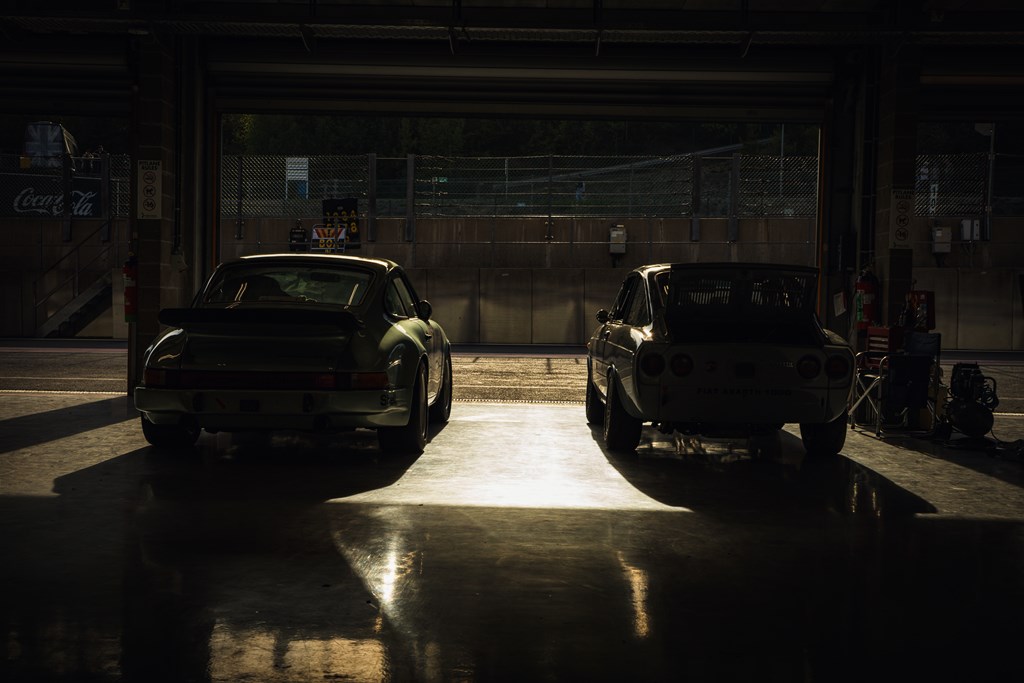
With so many races and qualifying sessions packed into so little time, I constantly had to think about where to position myself. In previous years I rarely went beyond the paddocks (freely accessible during the event), Eau Rouge-Raidillon, La Source and the Bus Stop Chicane. This year I set myself a challenge: explore the entire circuit. Partly to experience the event from the best vantage points, but also to answer a question: can you get genuinely close to the action without a media pass or a telephoto lens costing thousands?
The answer is a resounding yes. In two days I took more than 5,000 photographs, drained four batteries and came home with what feels suspiciously like a permanent ringing in my ears.
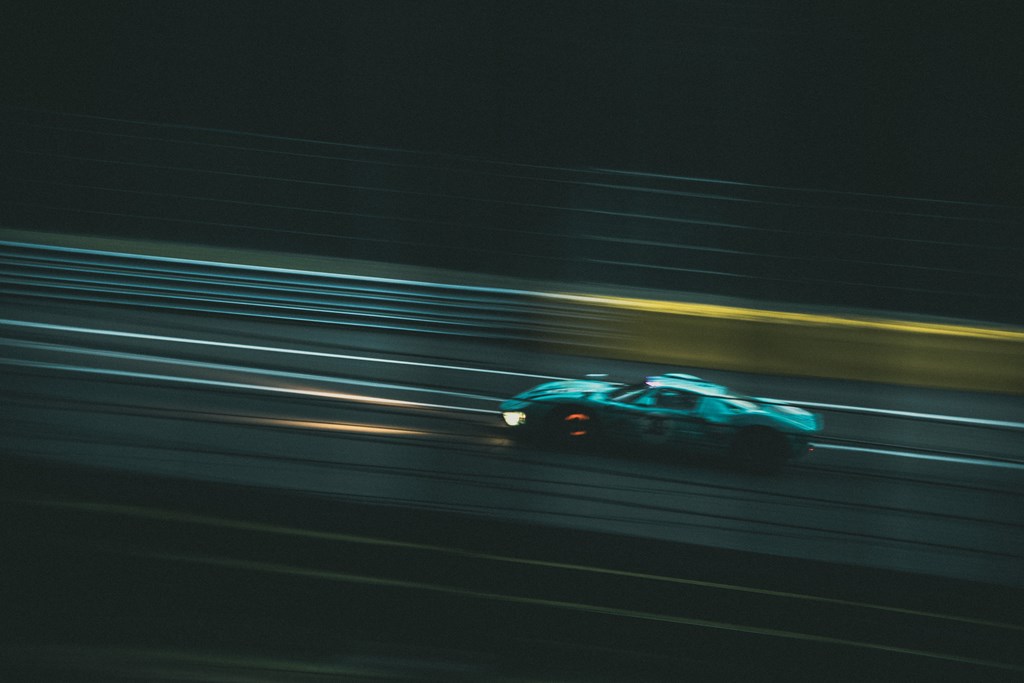
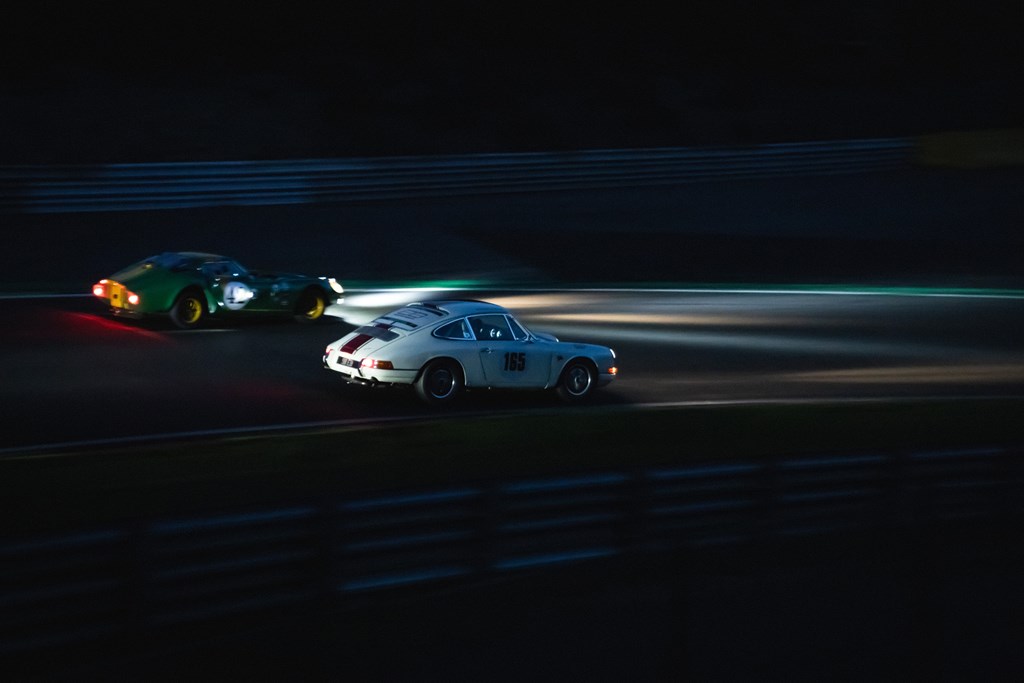
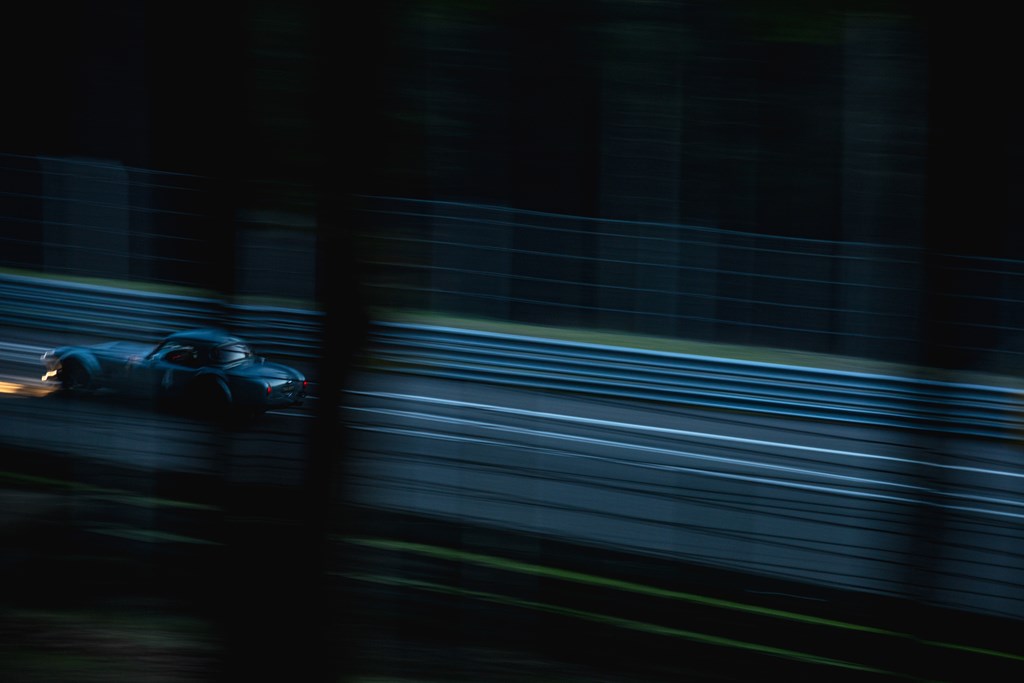
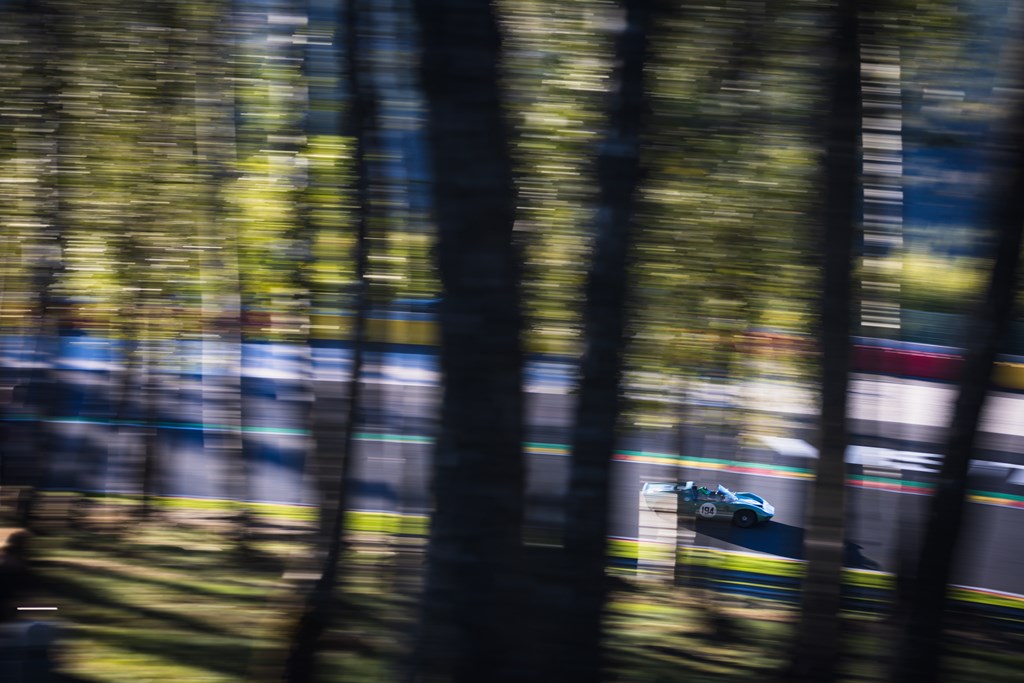
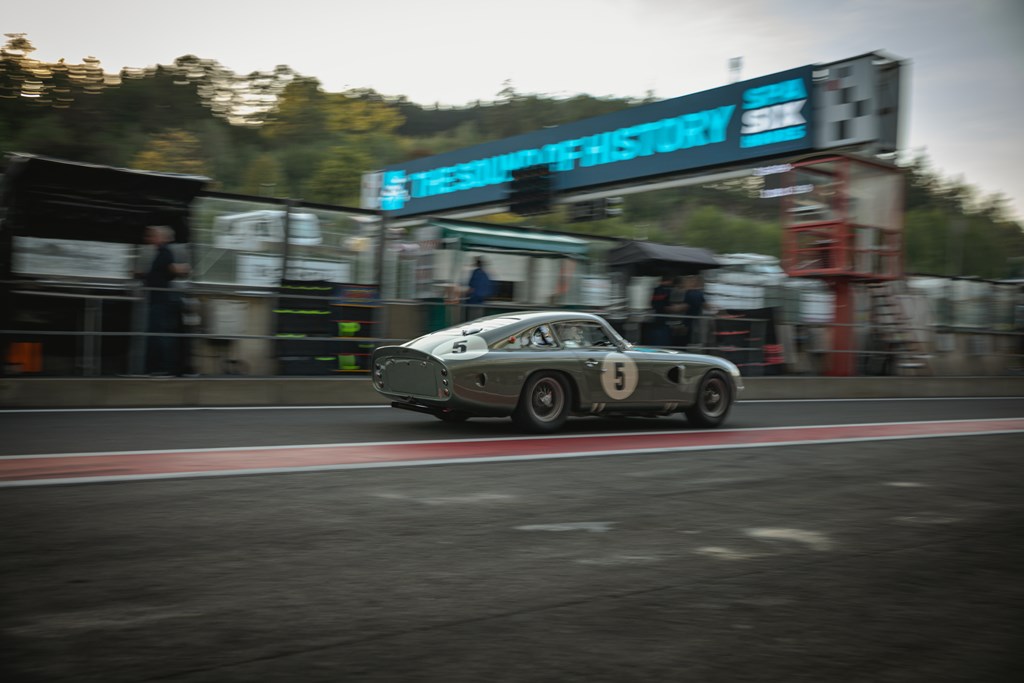
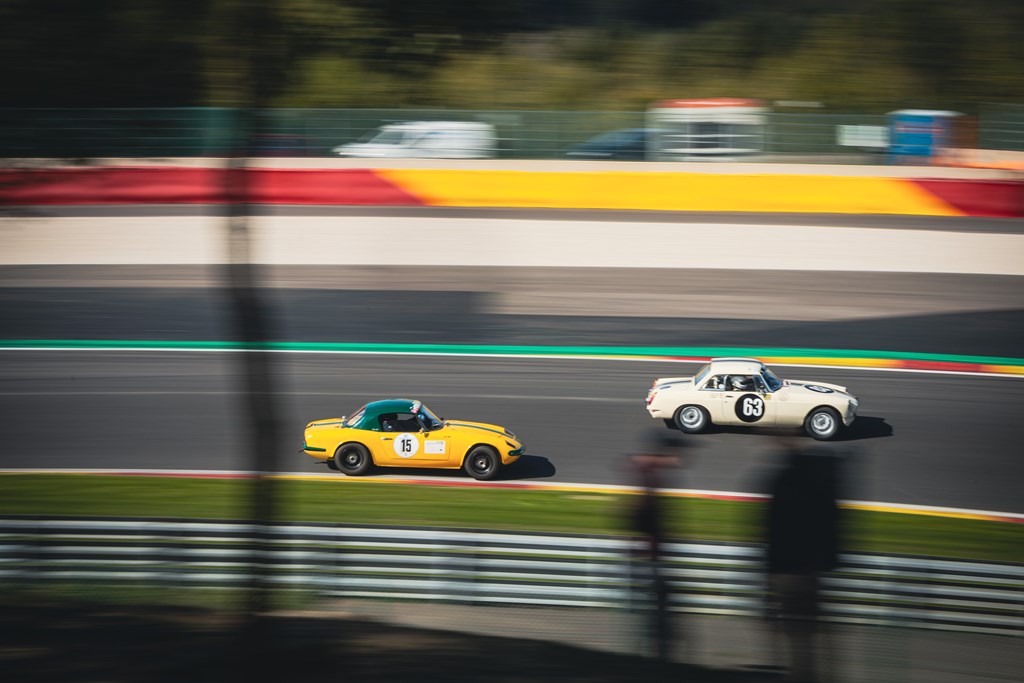
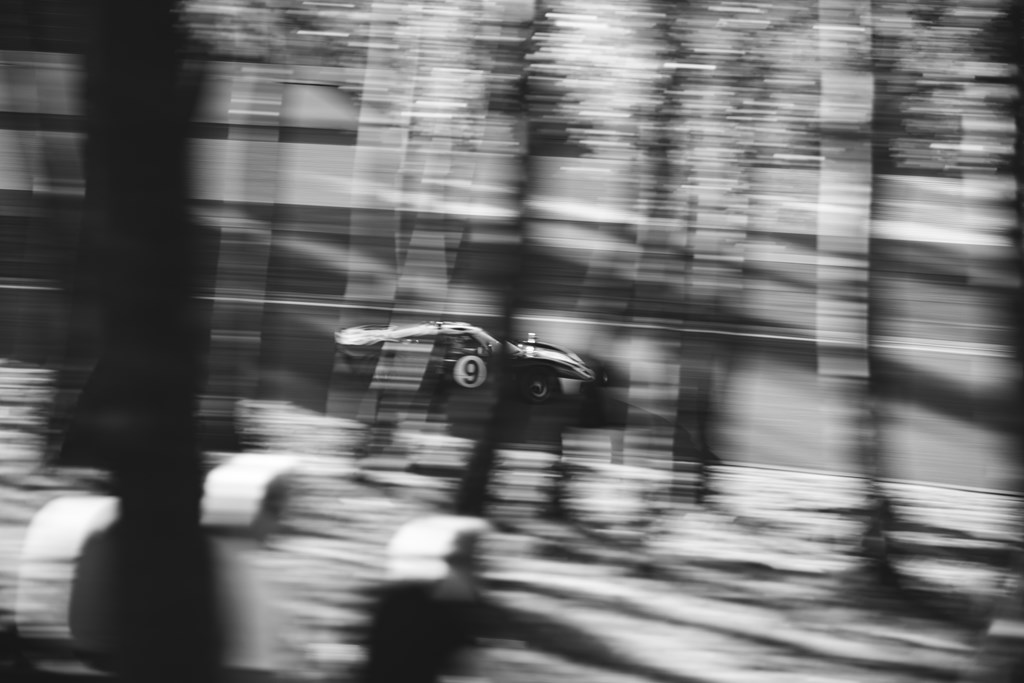
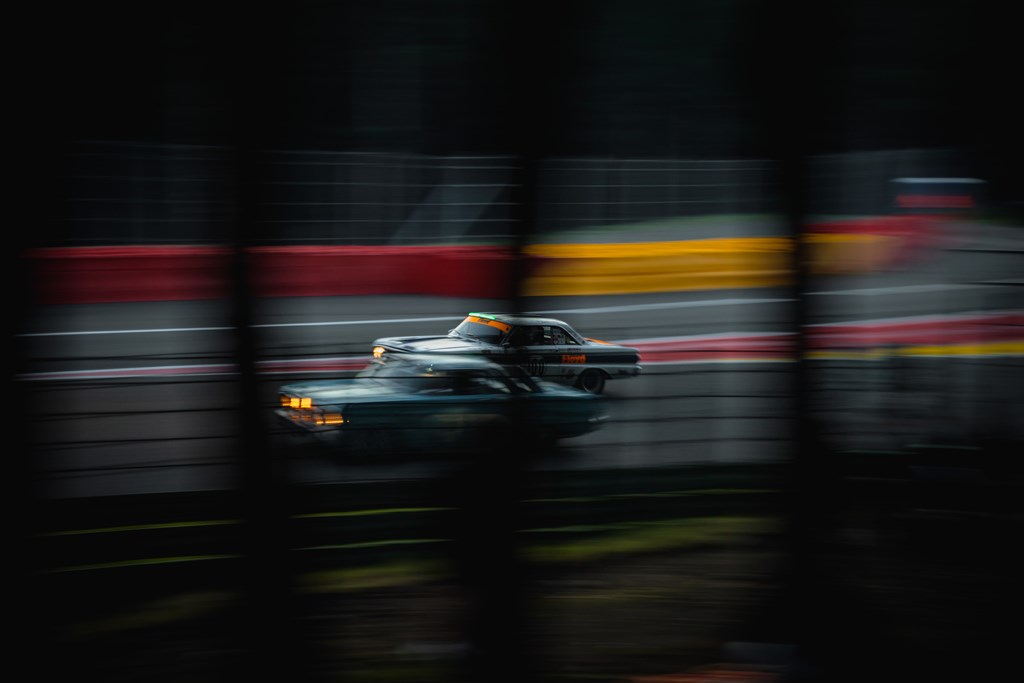
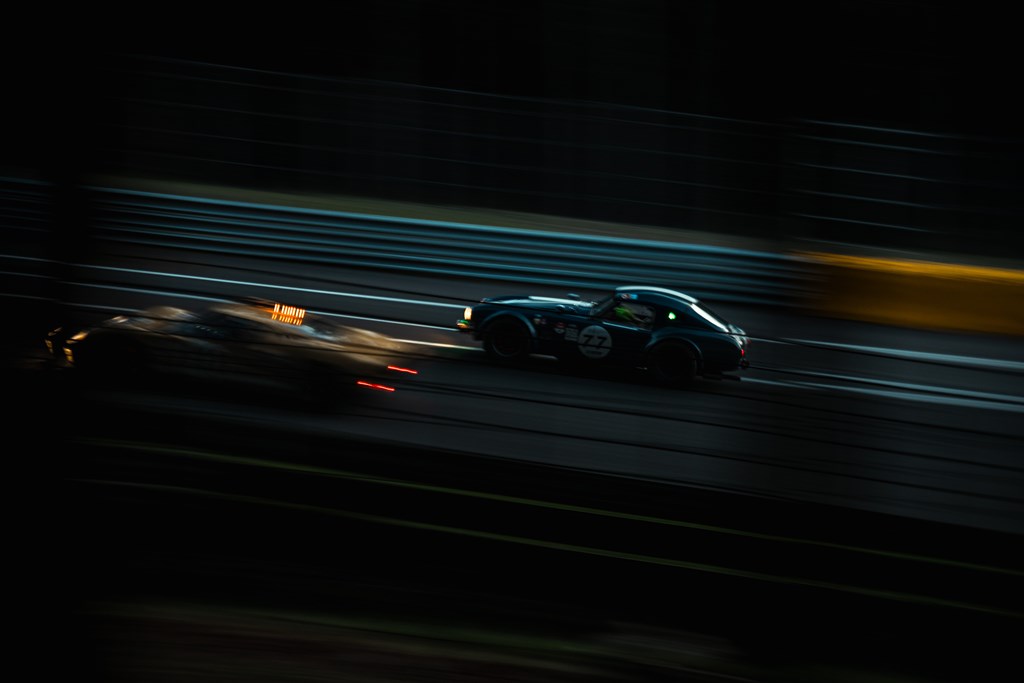
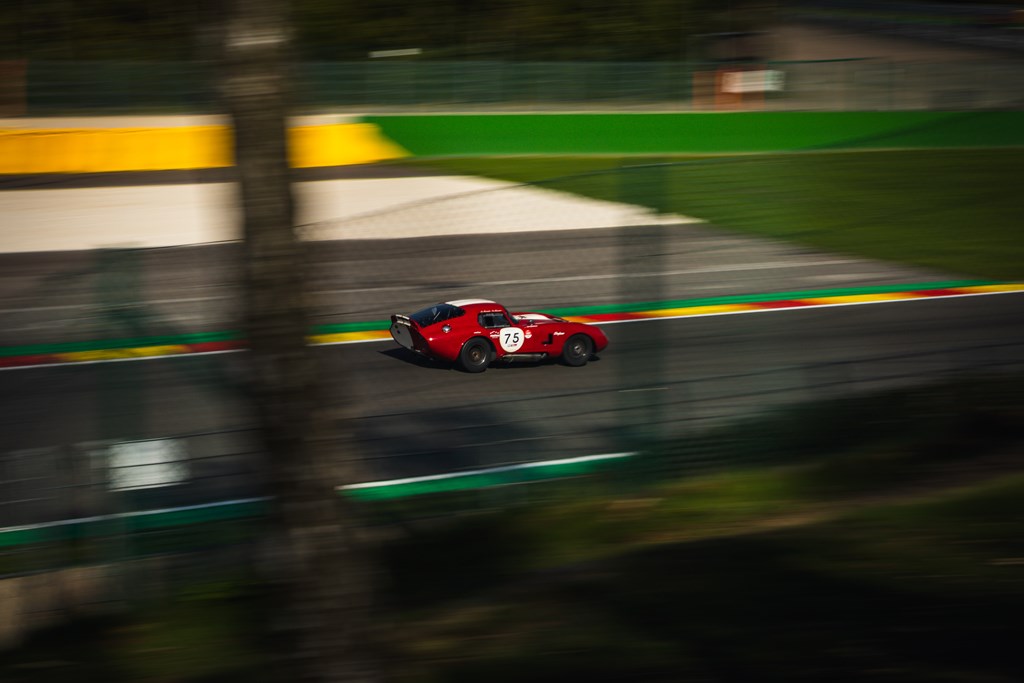
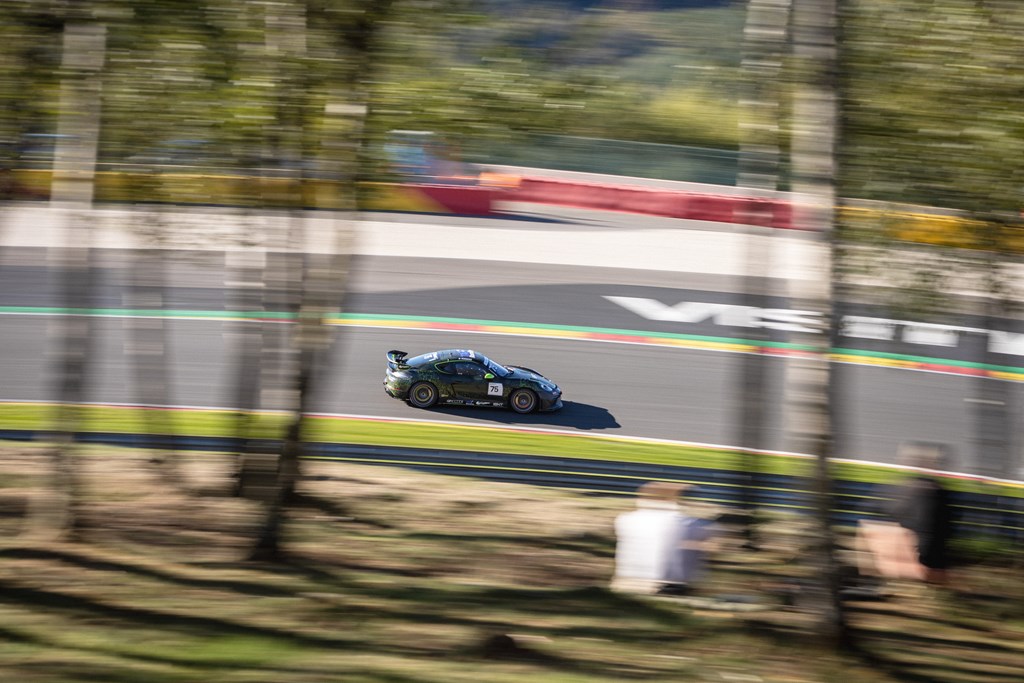
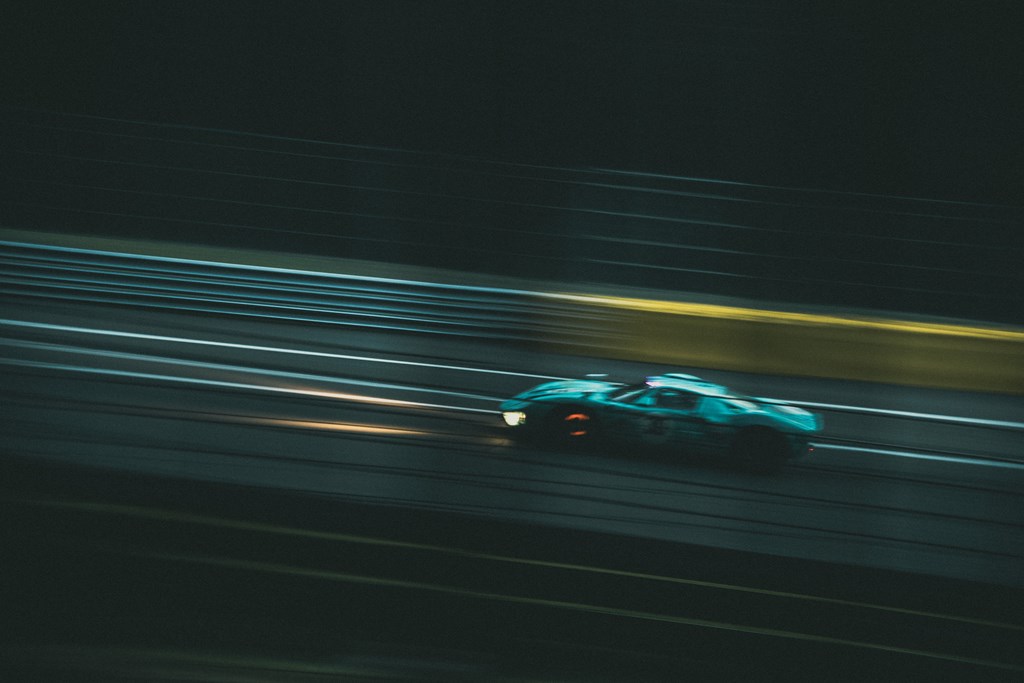
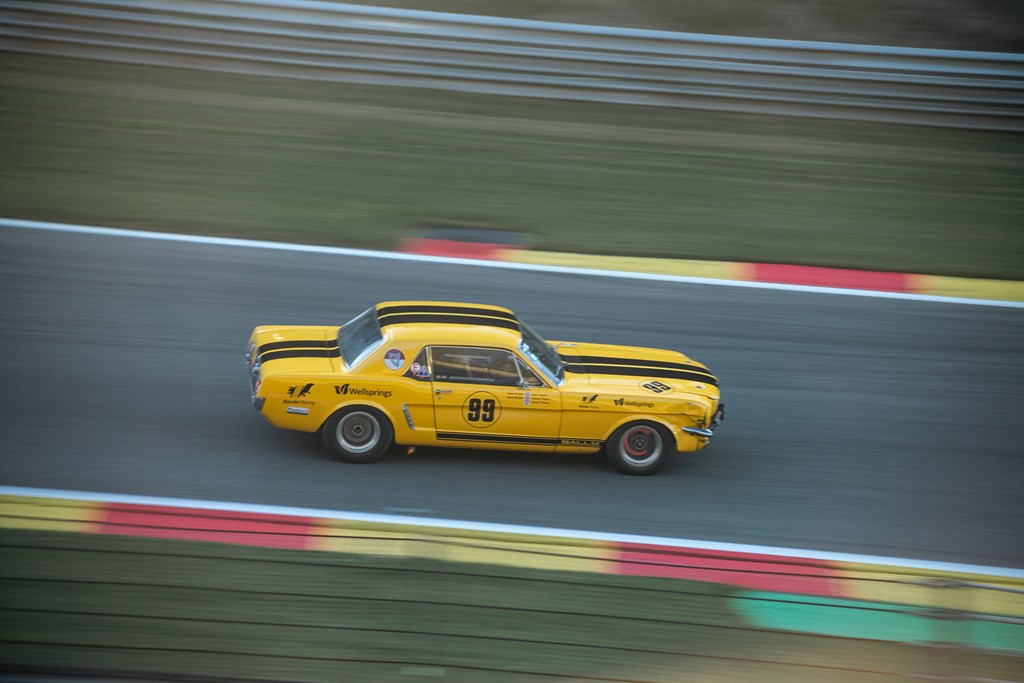
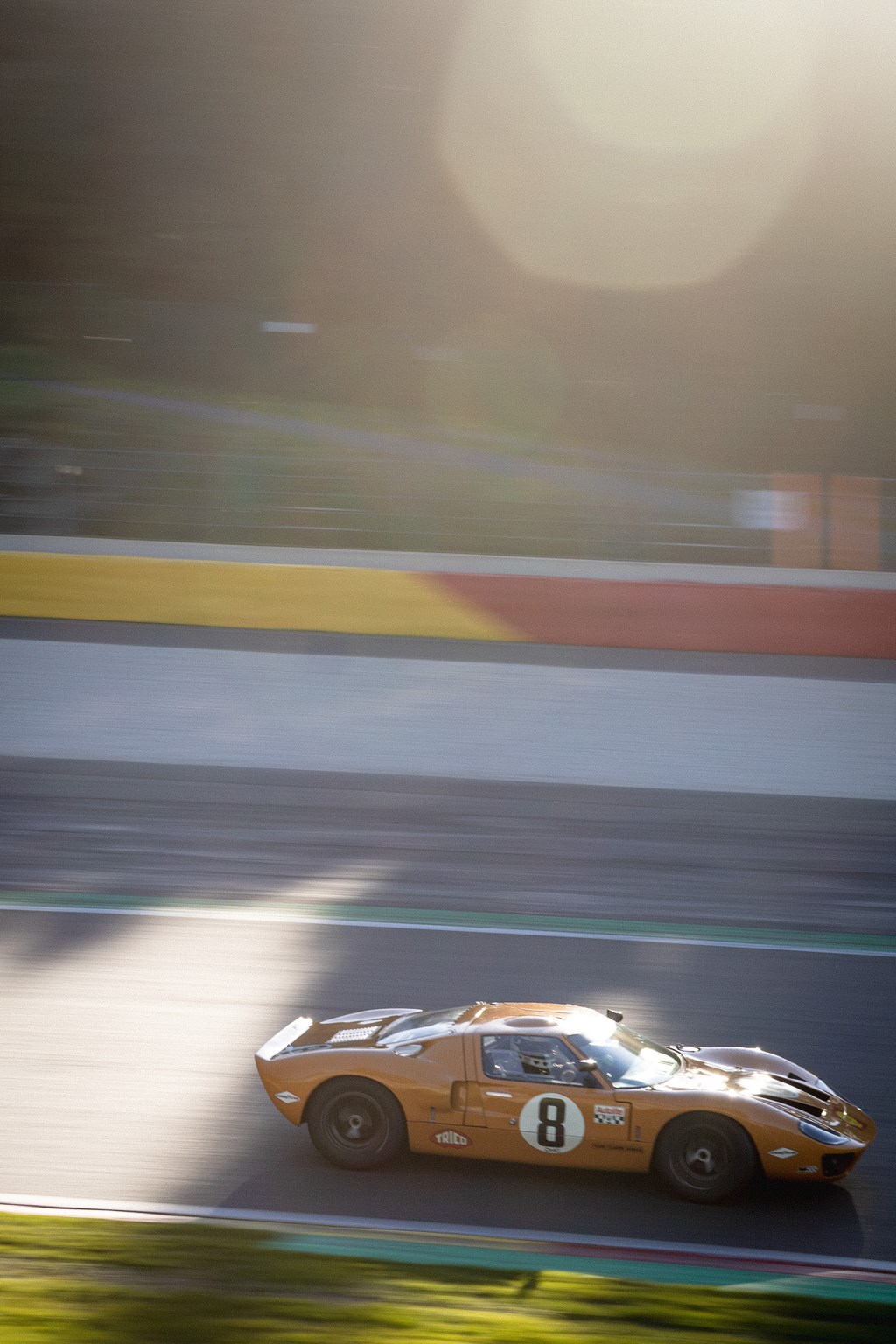
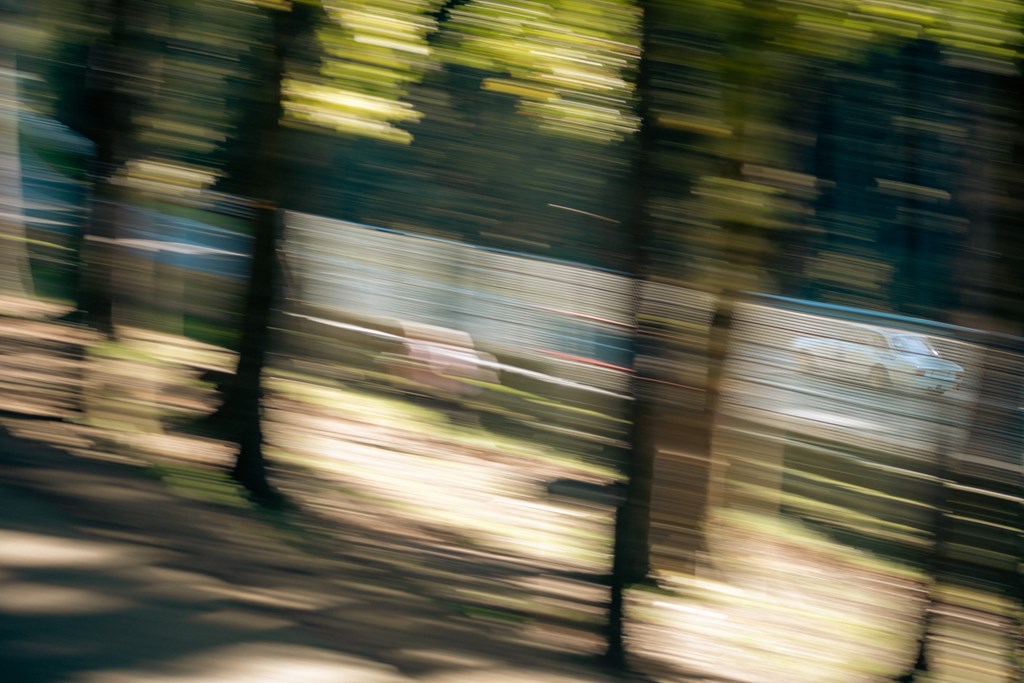
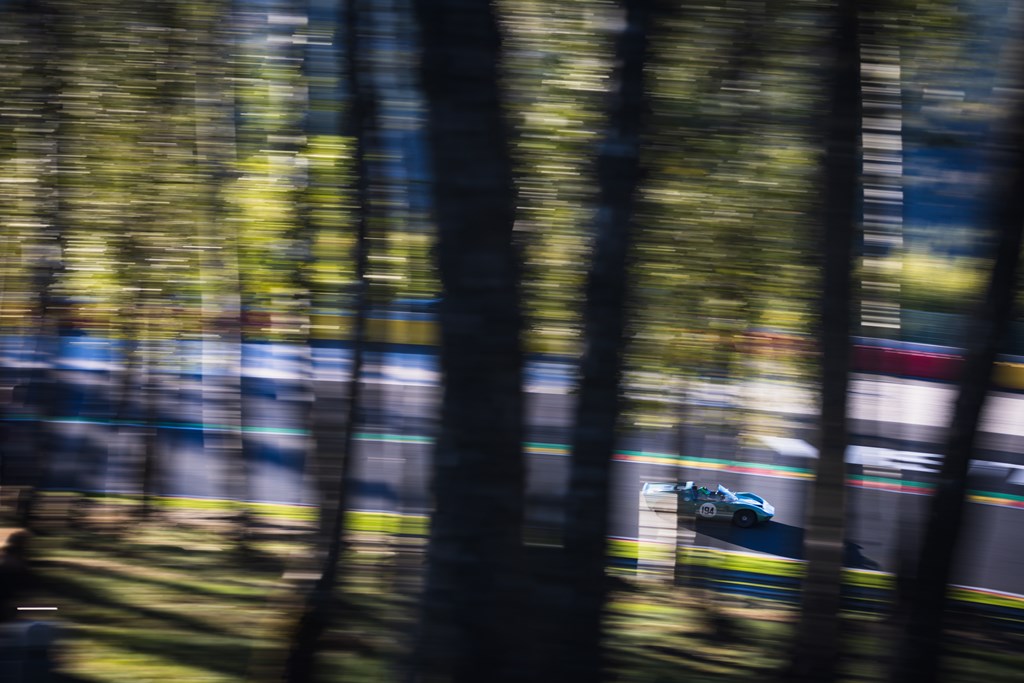
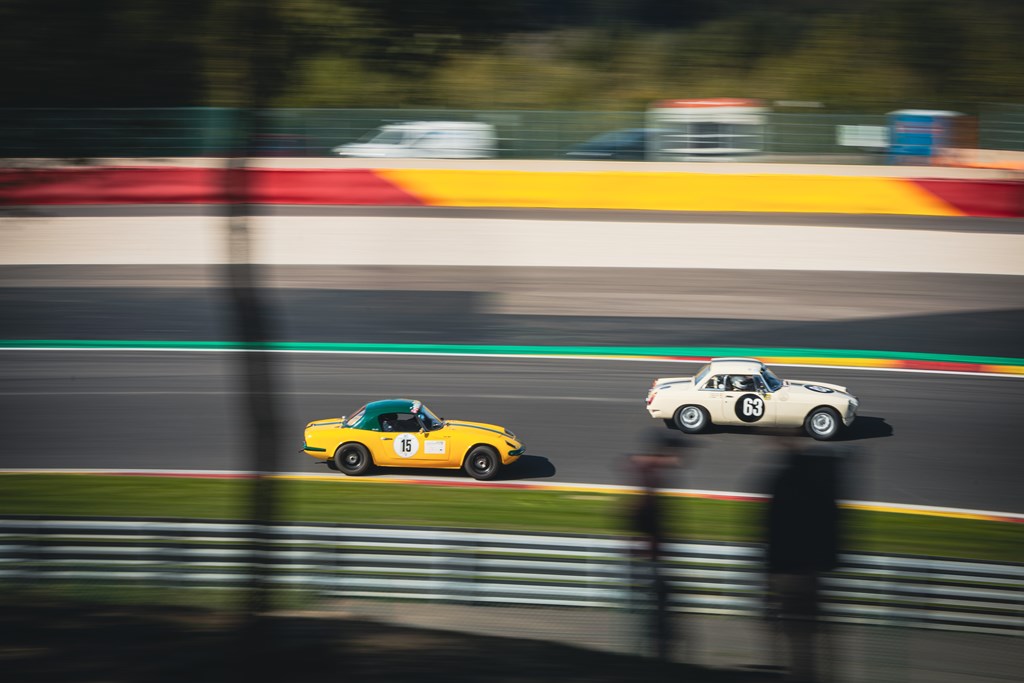
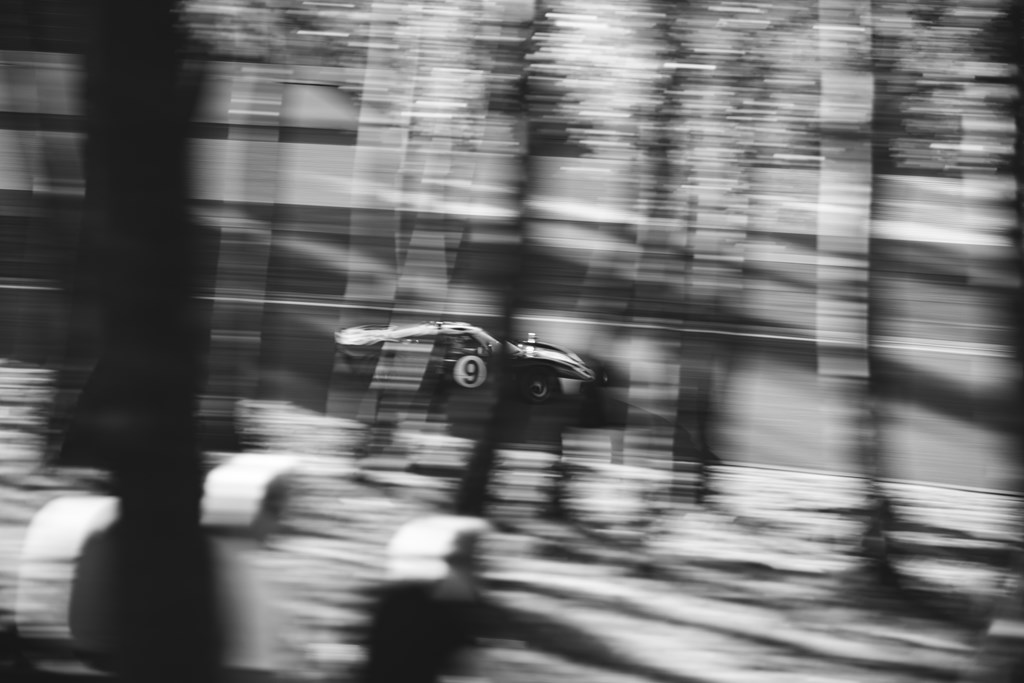
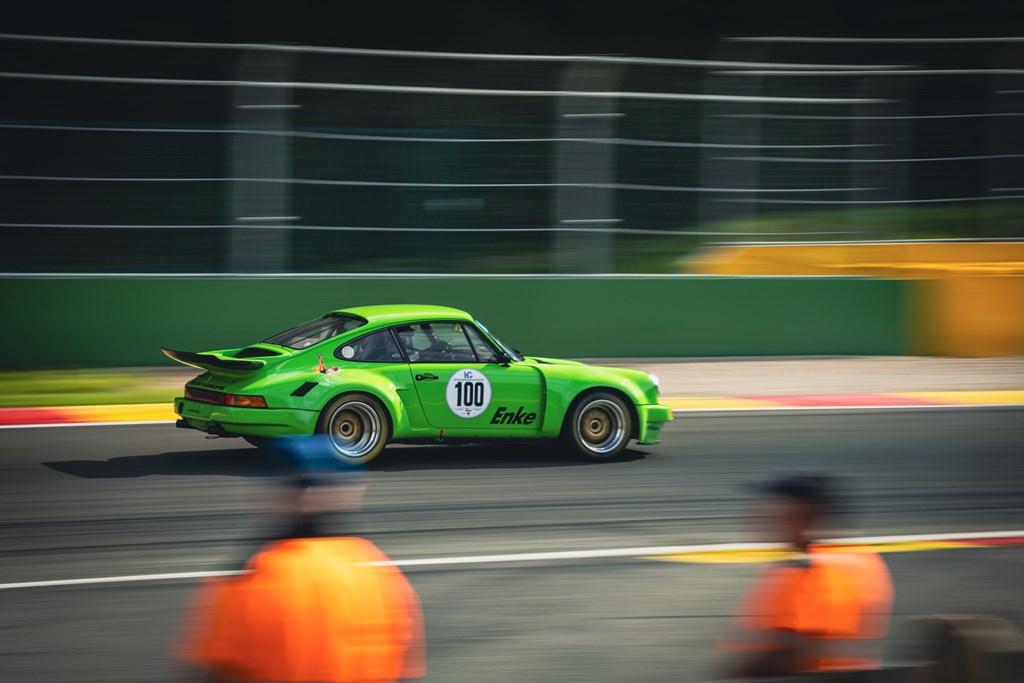
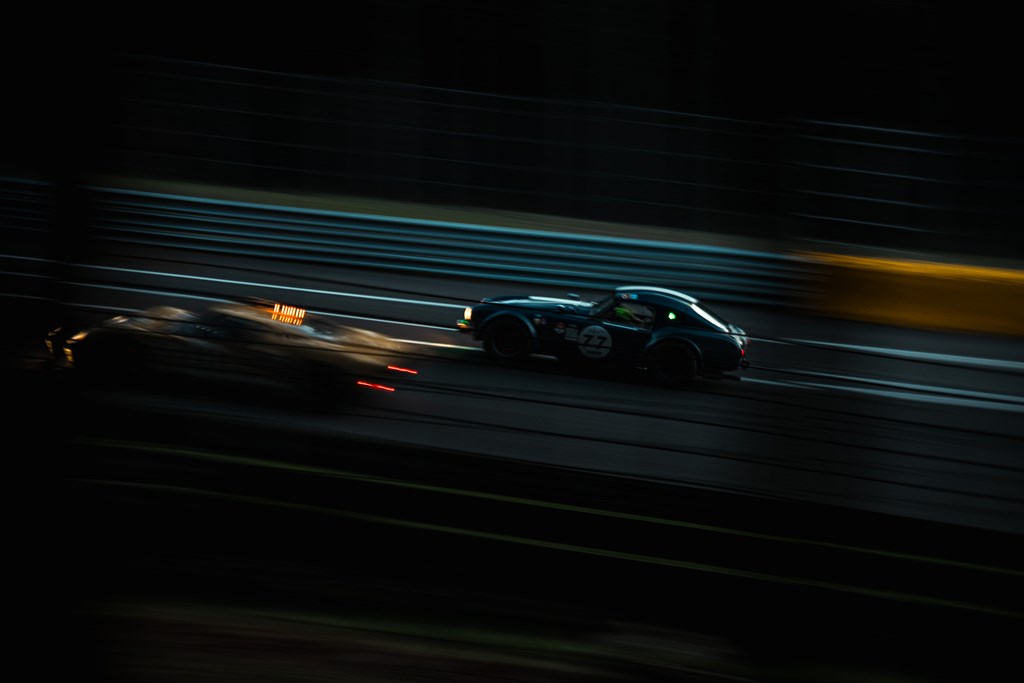
Why so many photos? Because good panning shots demand burst mode. It is not unusual to fire off ten or more frames for a single sharp keeper.
And the batteries? A classic rookie error. It was my first outing with a new full-frame mirrorless camera, and I hadn't yet got used to switching off the rear screen and relying on the electronic viewfinder alone. Leave that screen on all day and it will happily eat your batteries.
Close enough to taste the rubber
As for the ringing in my ears: that's the result of my little experiment. You really can get astonishingly close during the Six Hours. At Bruxelles and Campus you are practically on the track, right where cars stand on the brakes before getting back on the throttle past the apex. The noise is immense. Along the Kemmel Straight and at Blanchimont, cars fly past at well over 200 km/h, less than ten metres away. I'll say it again: the noise is immense. And on the start-finish straight or in the F1 paddock, the roar bouncing between grandstands and buildings becomes genuinely deafening.
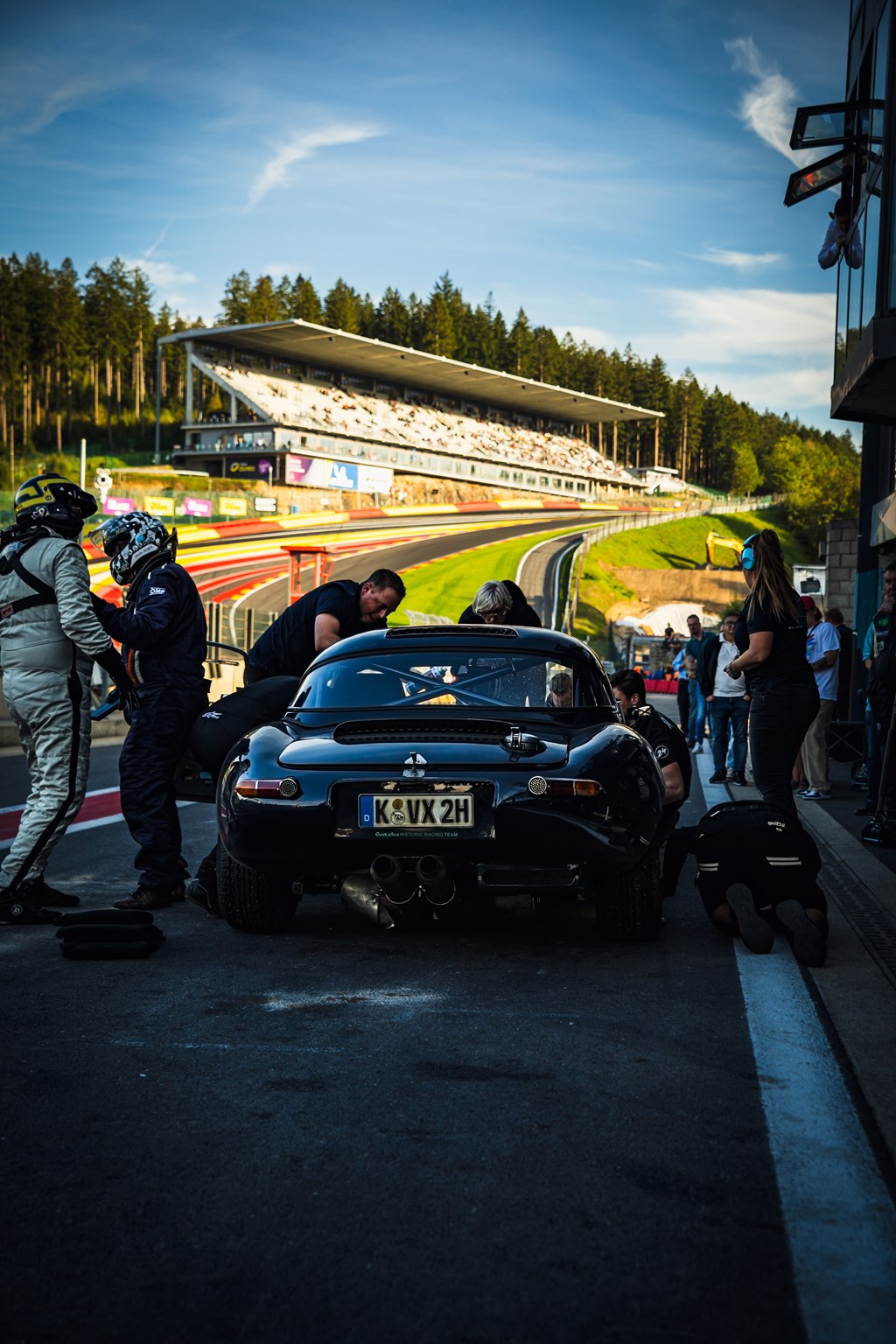
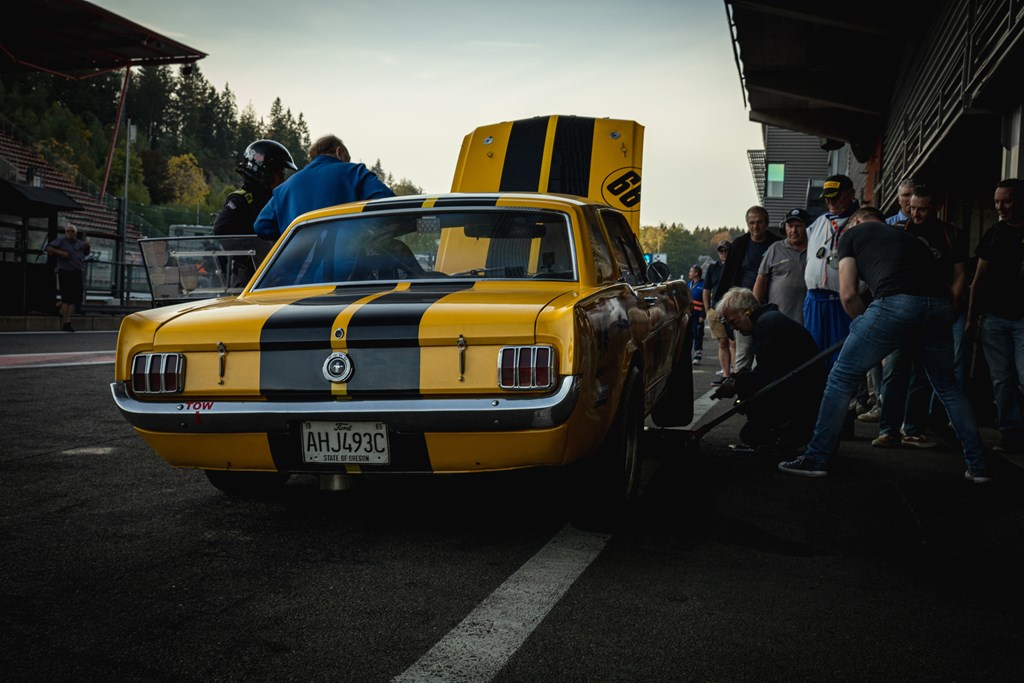
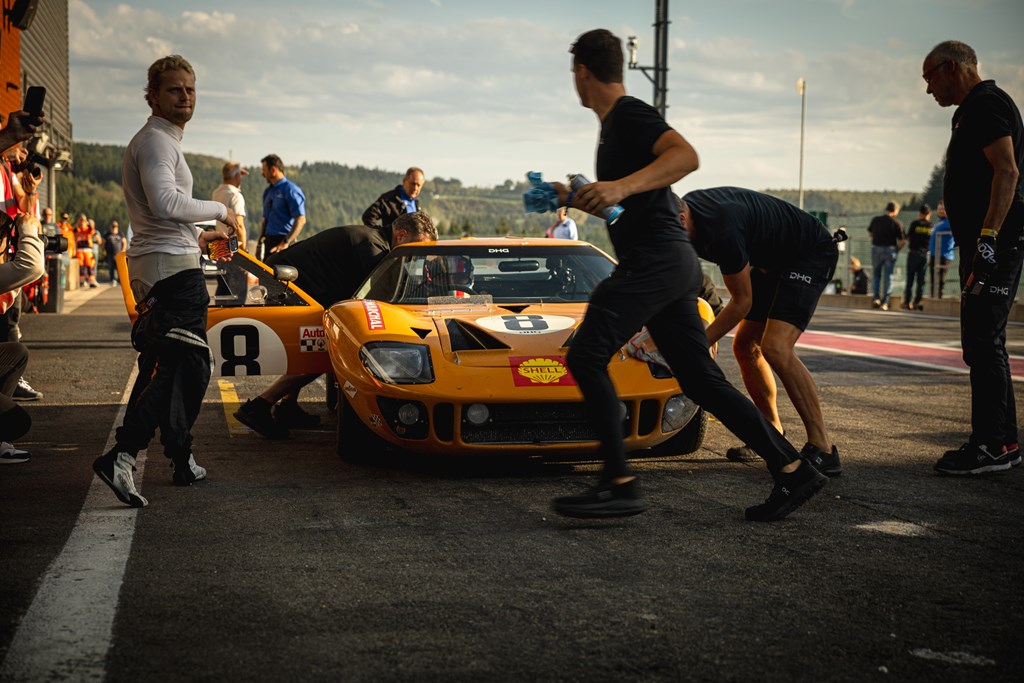
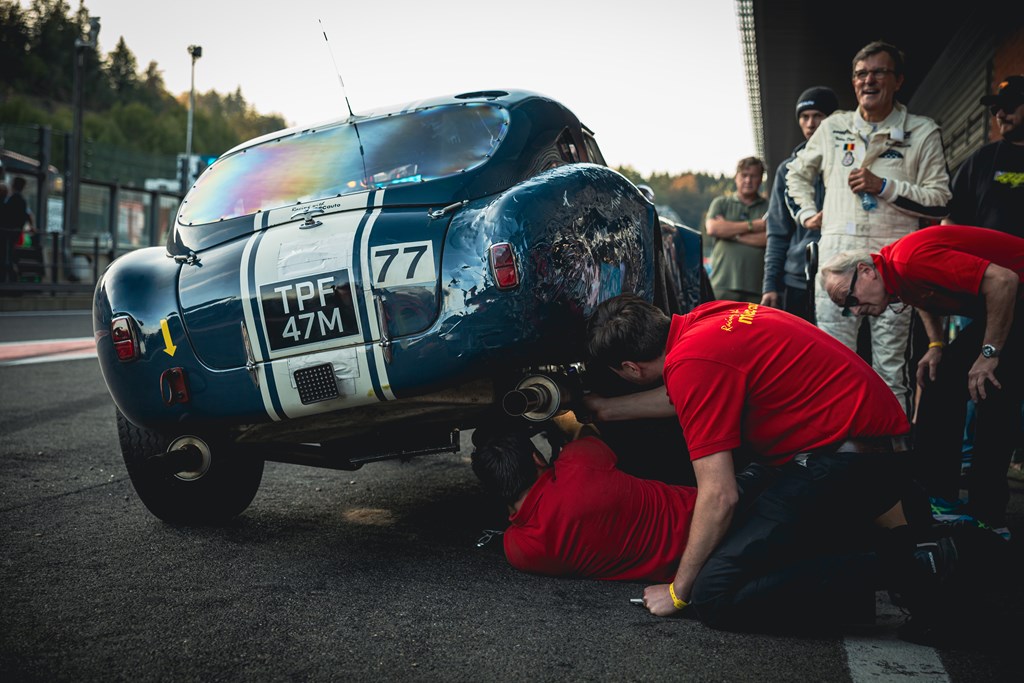
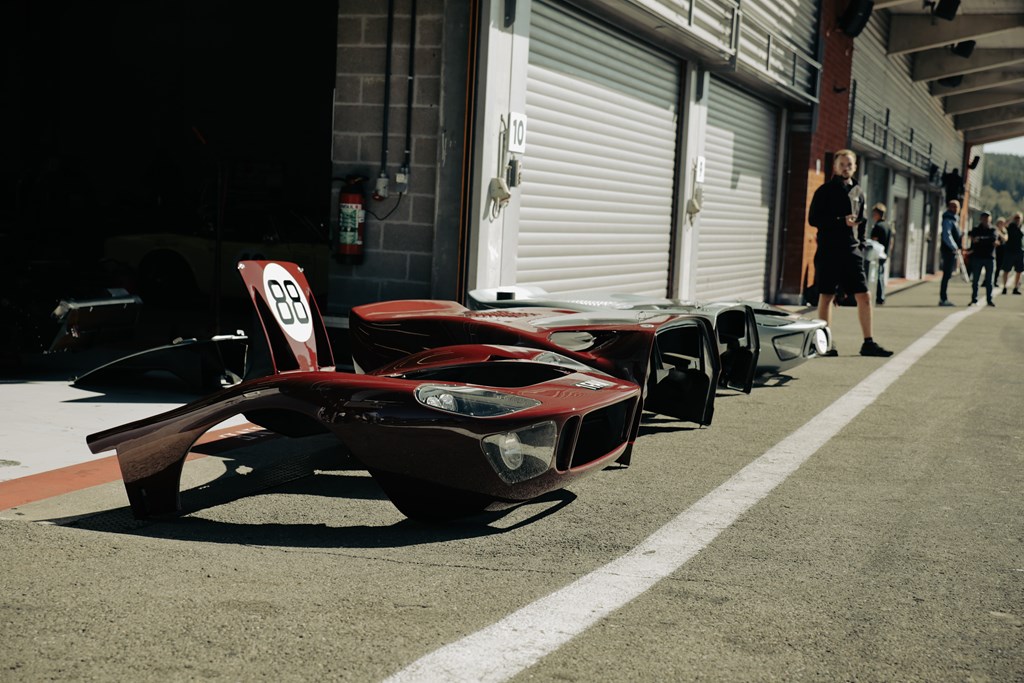
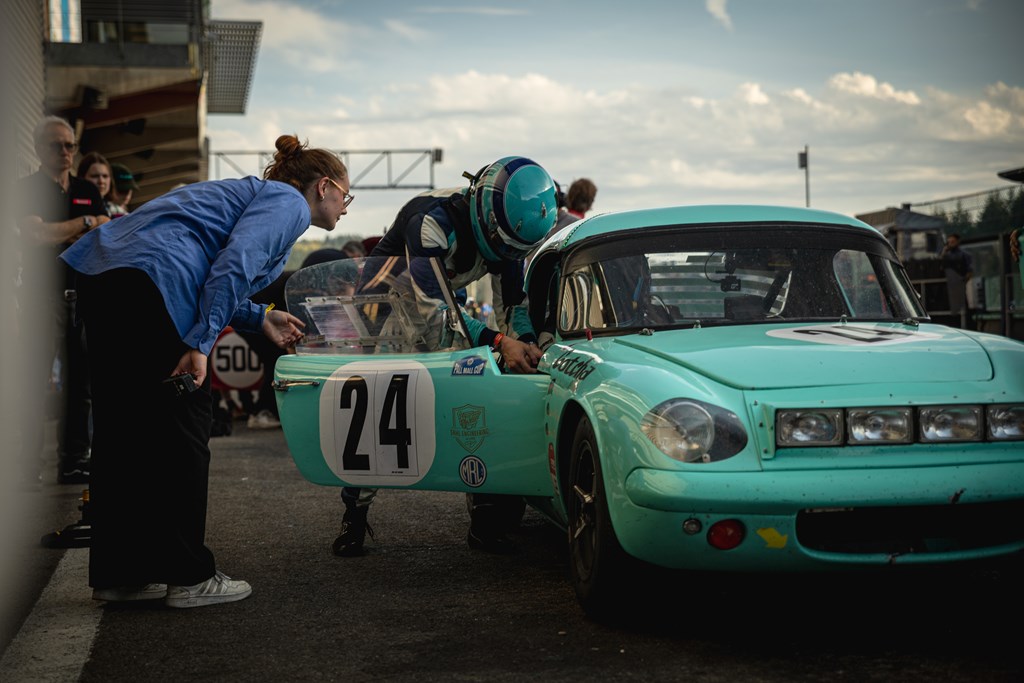
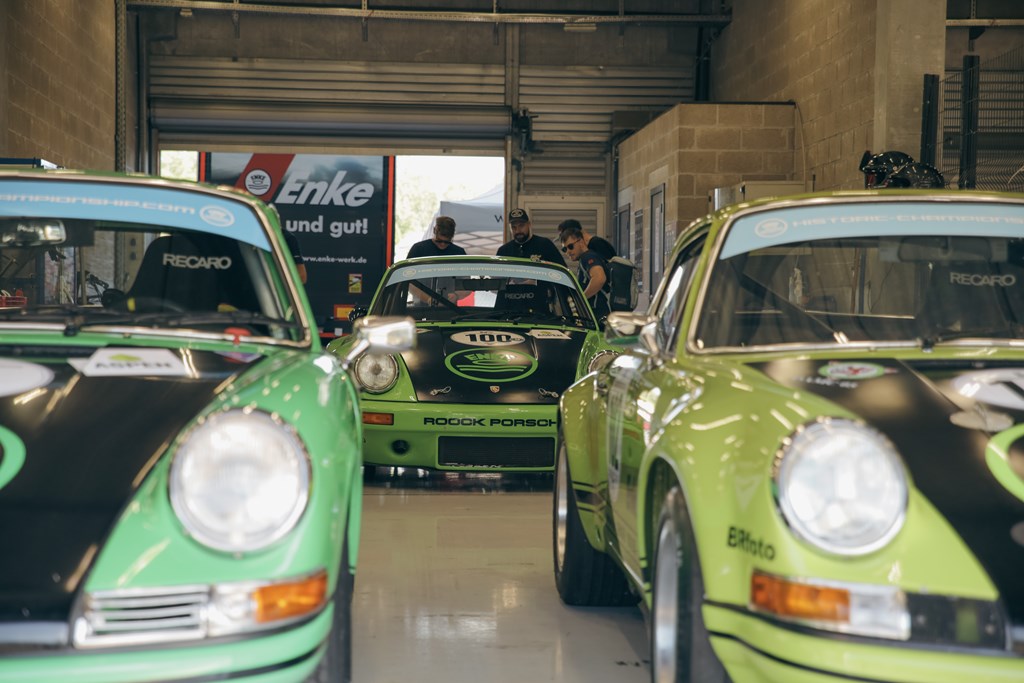
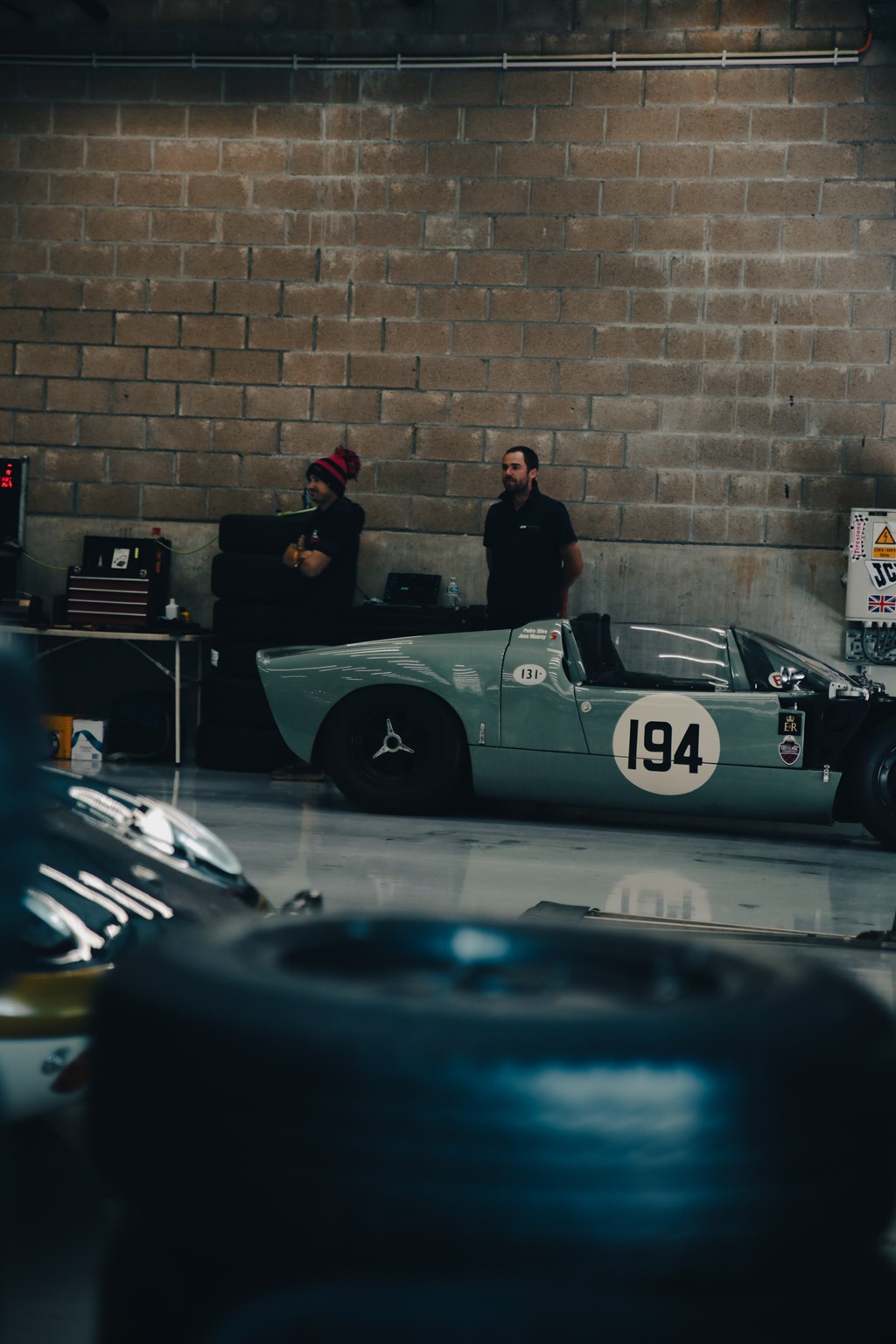
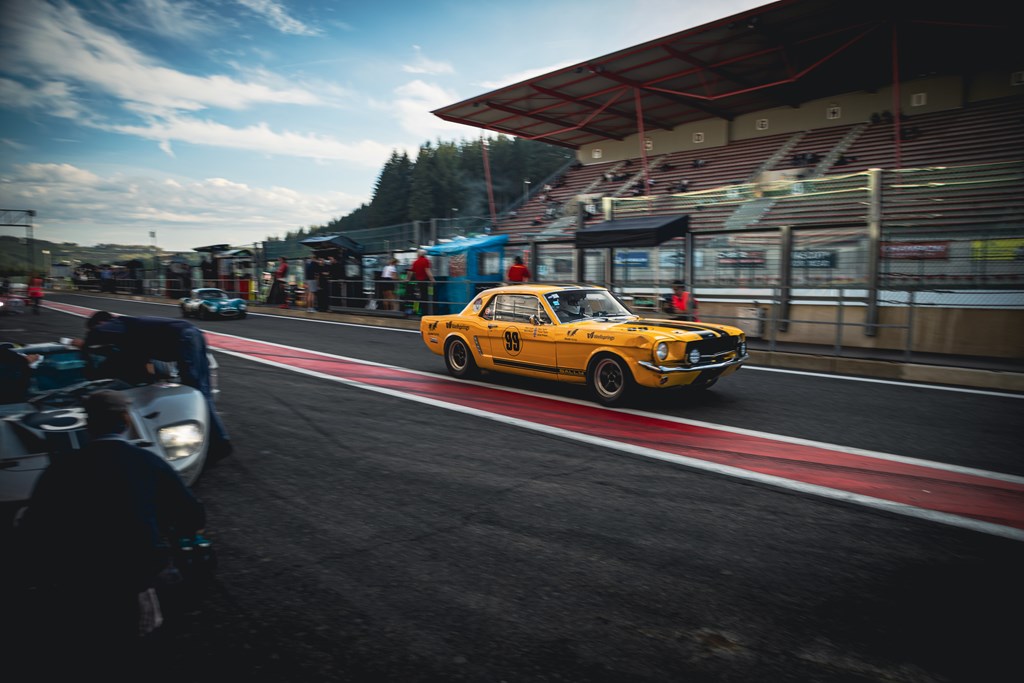
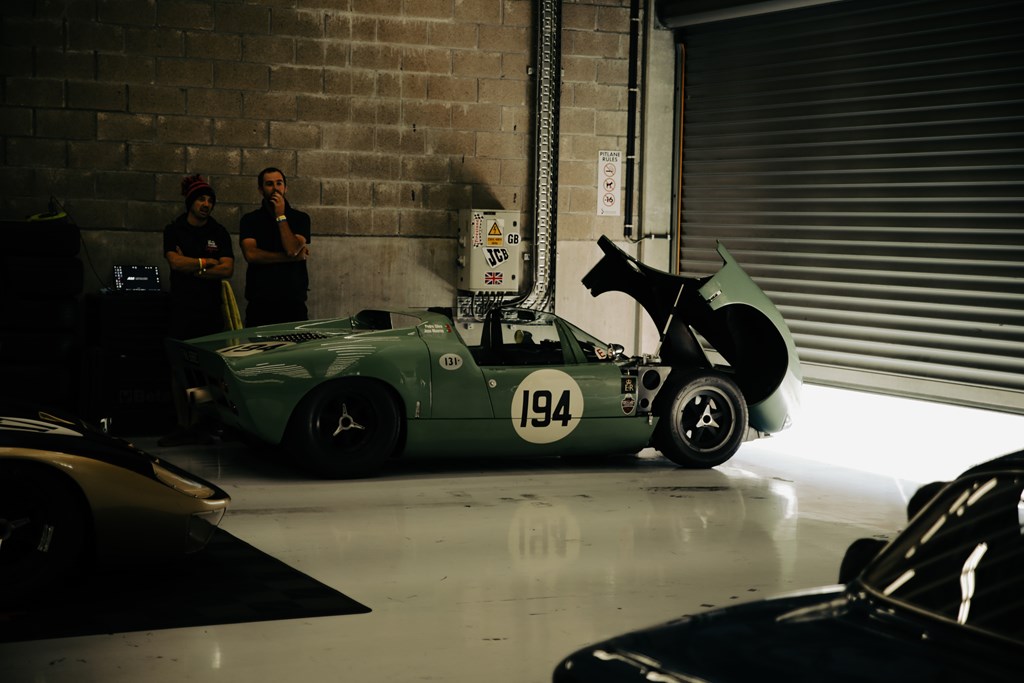
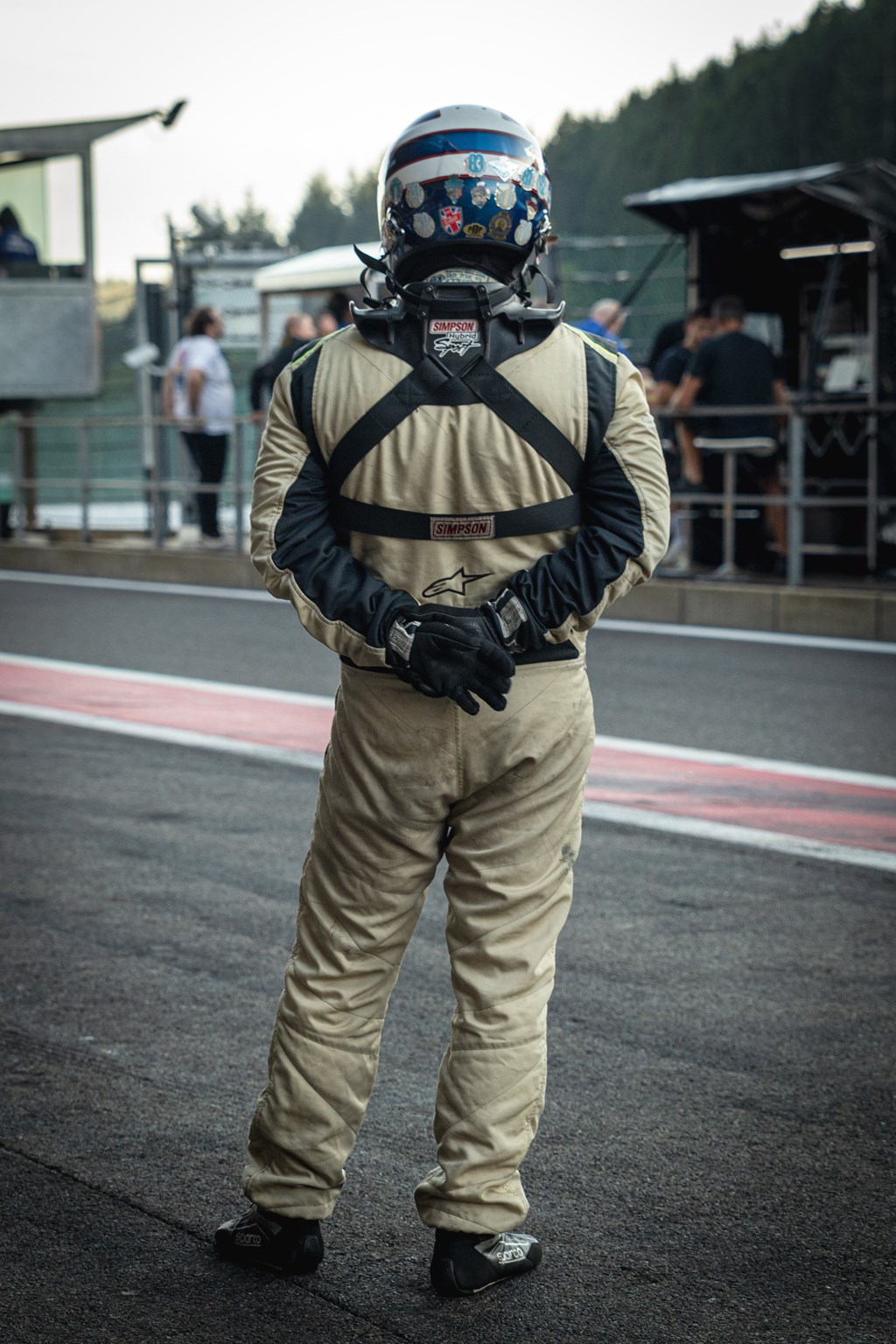
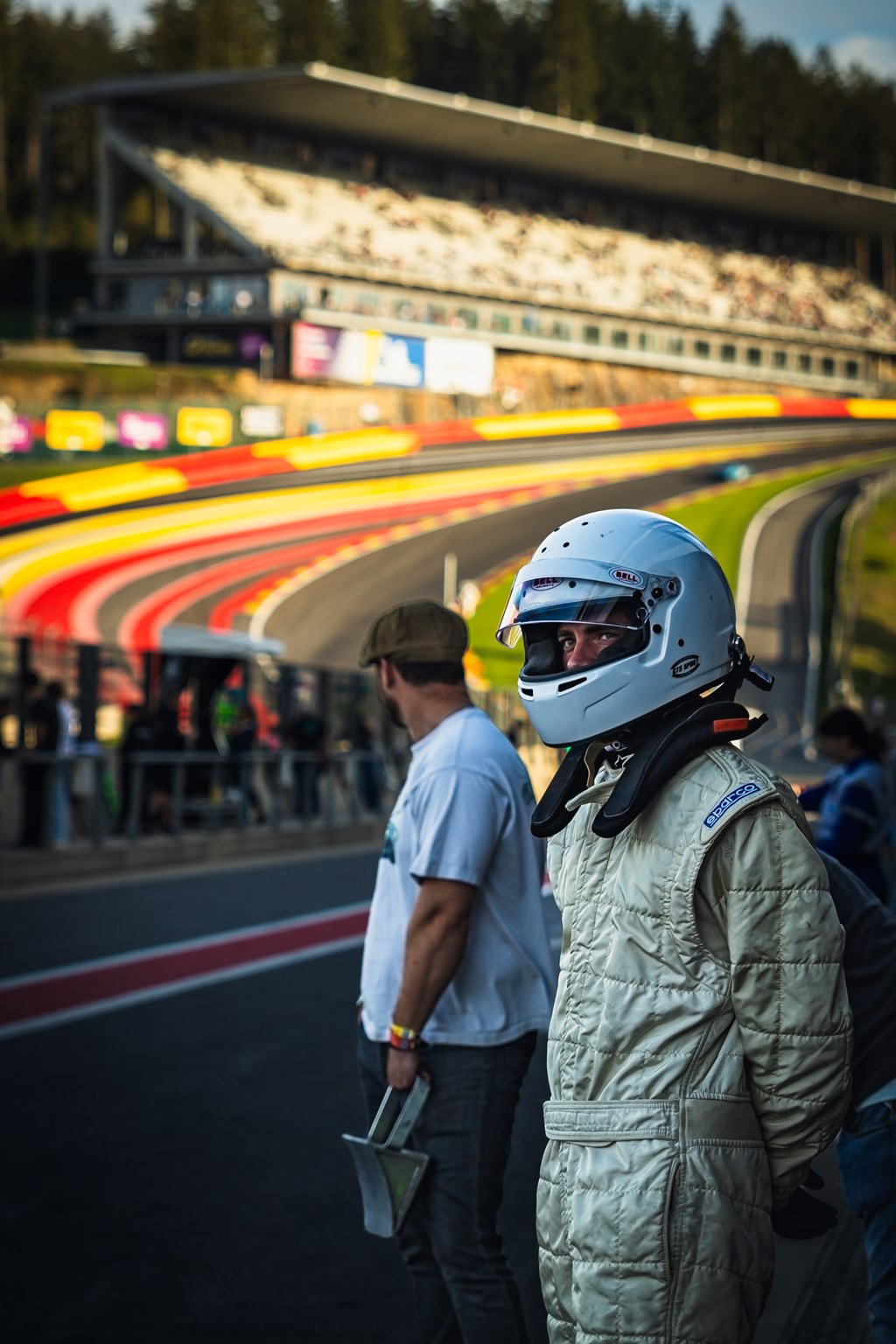
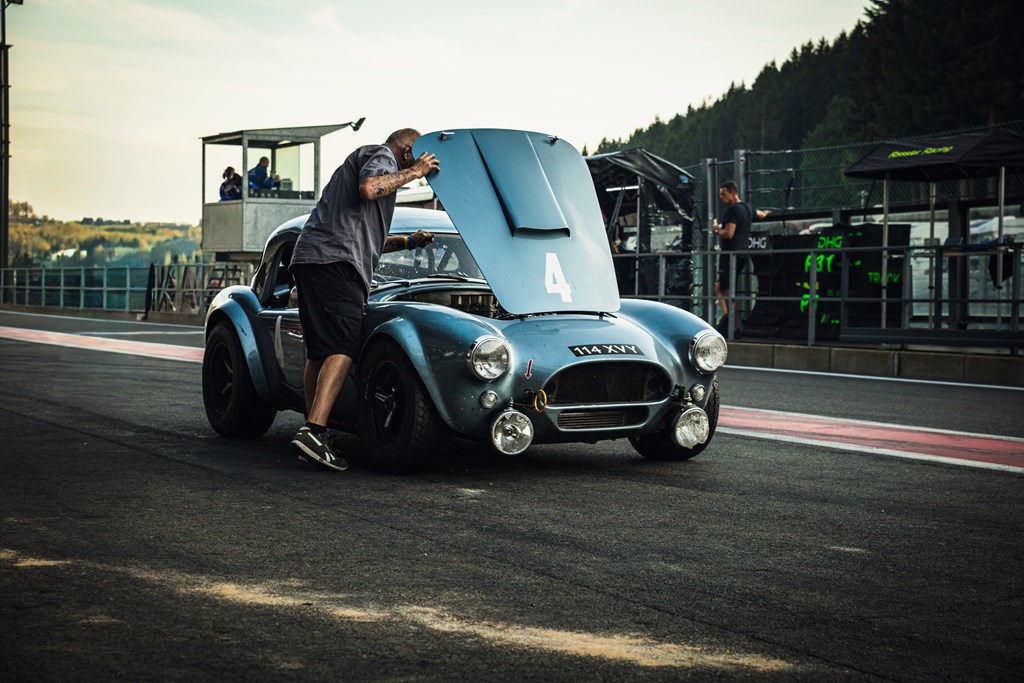
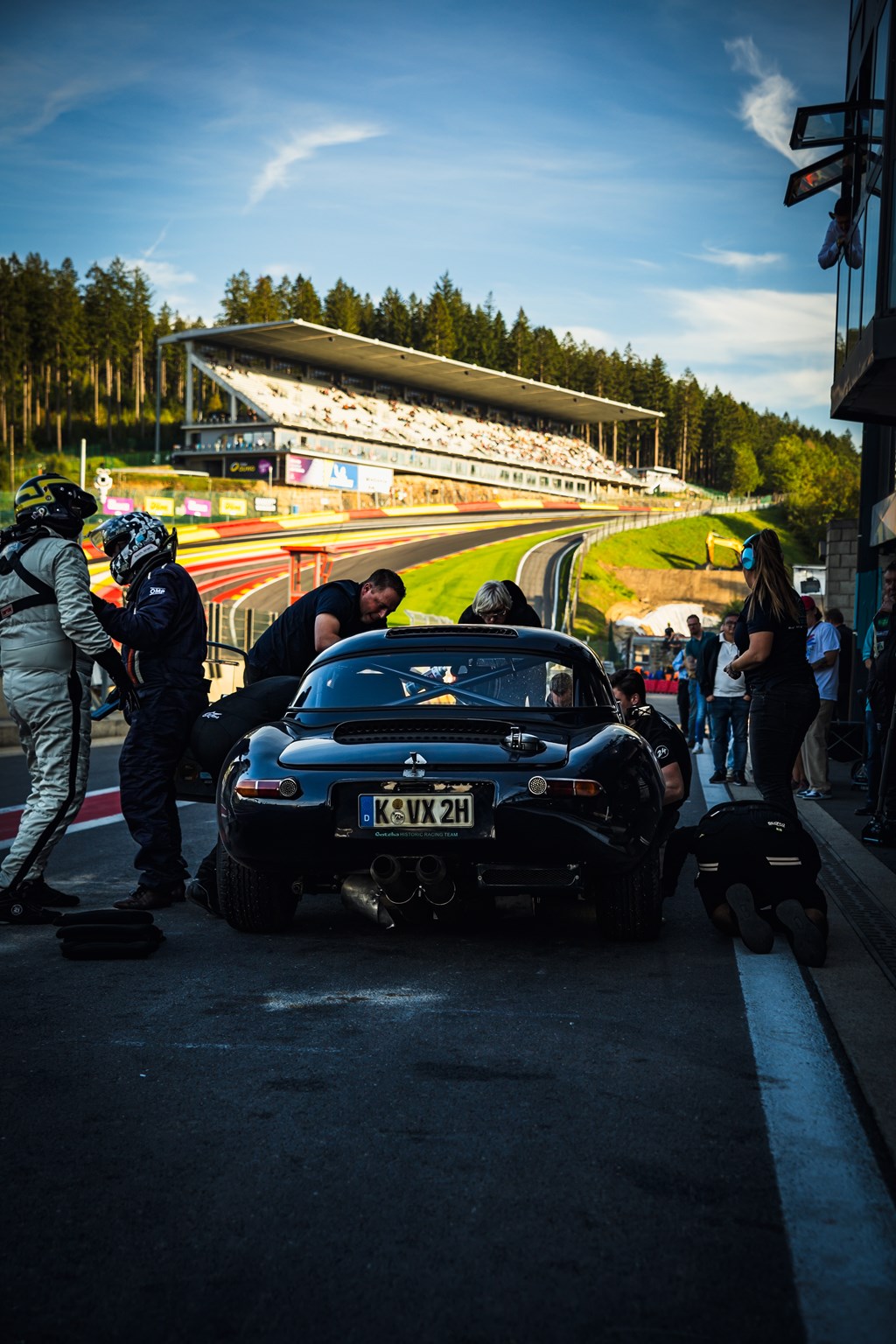
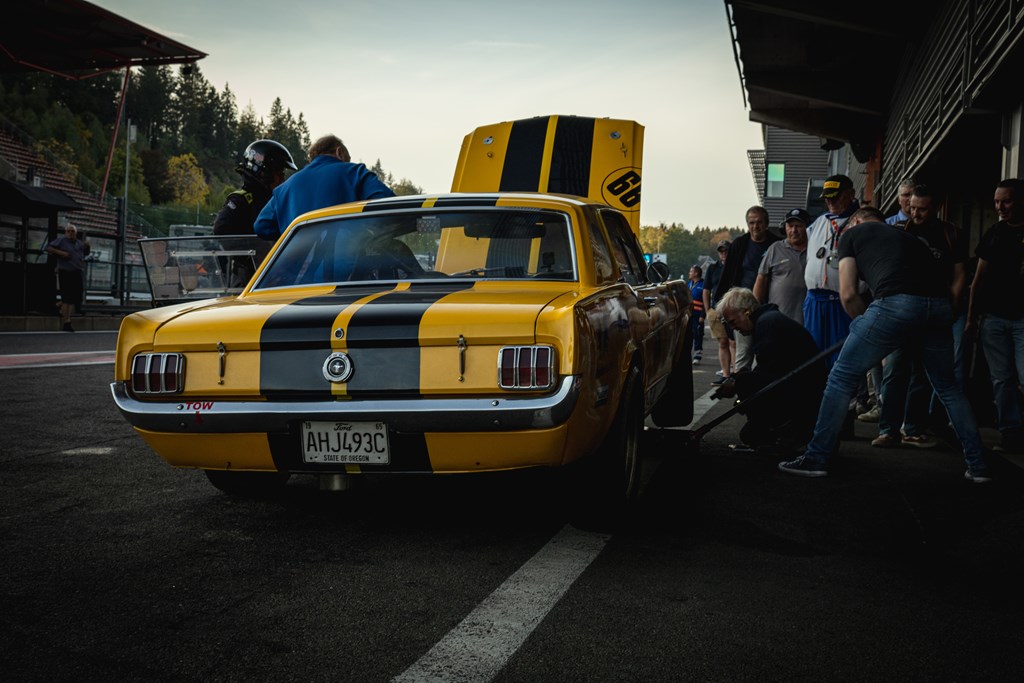
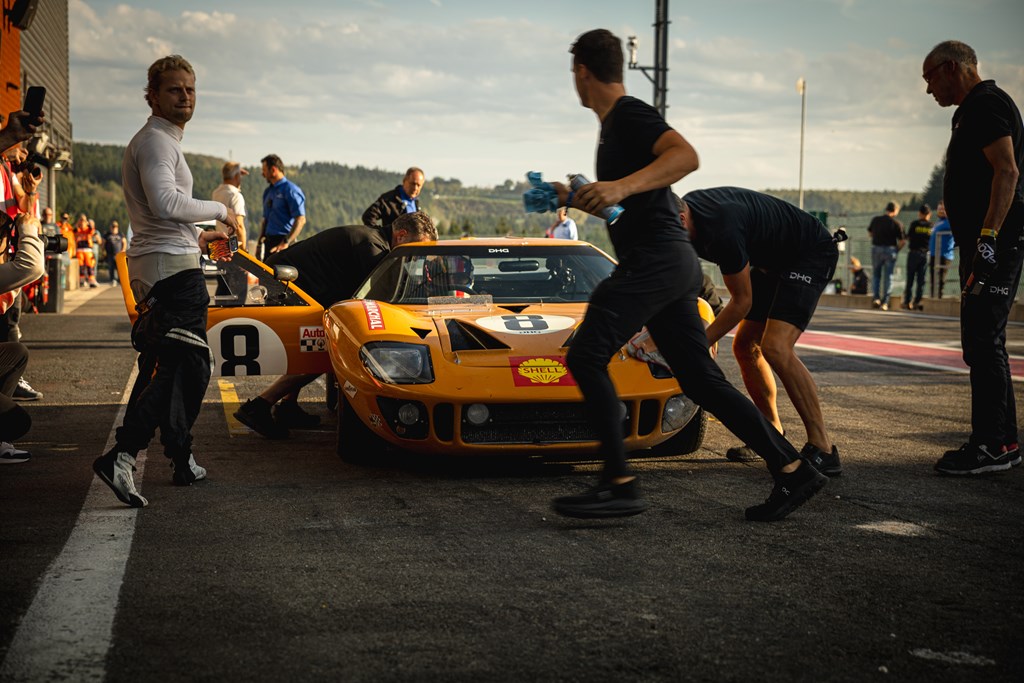
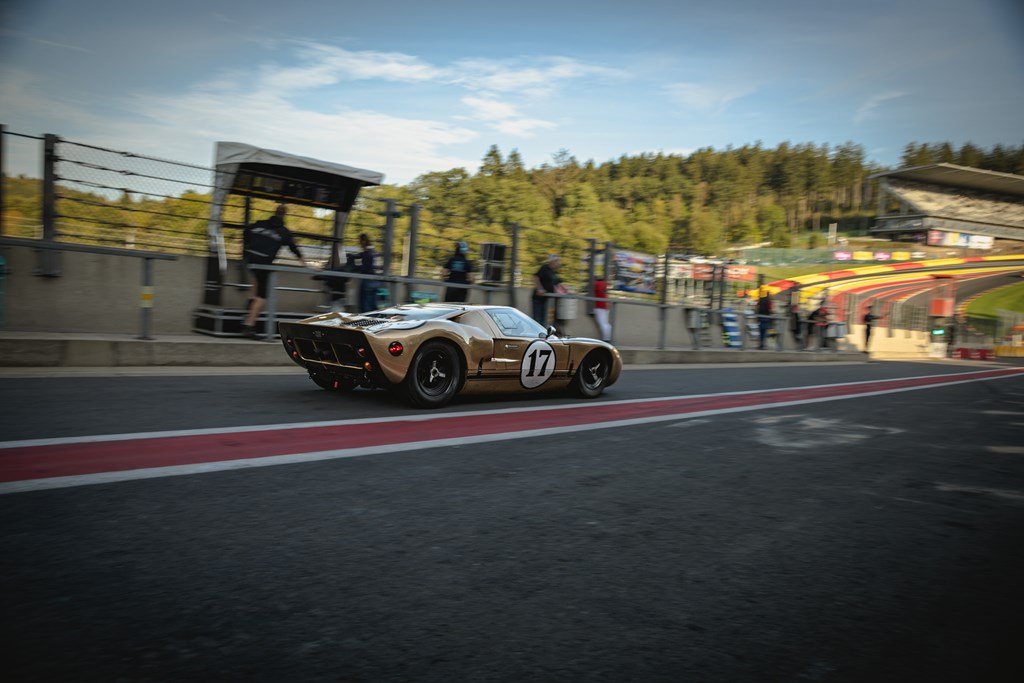
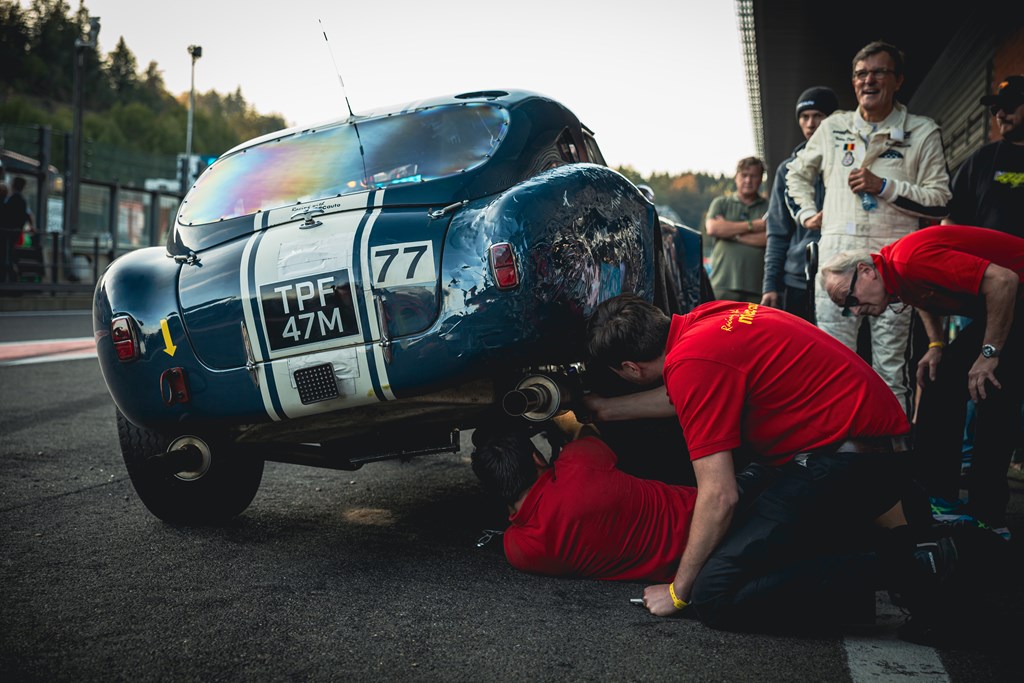
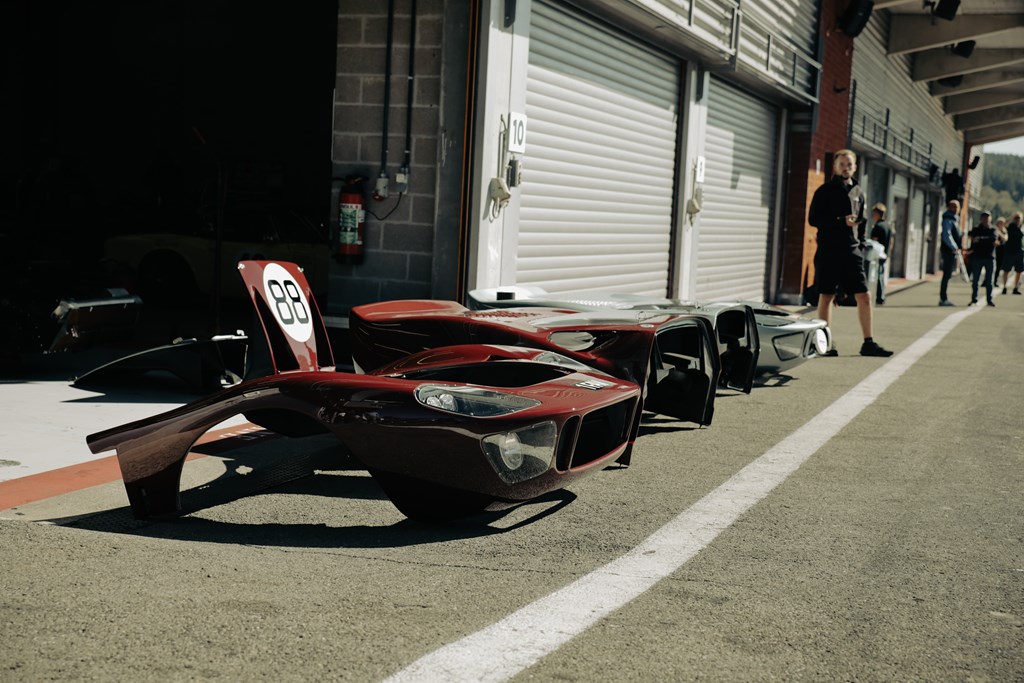
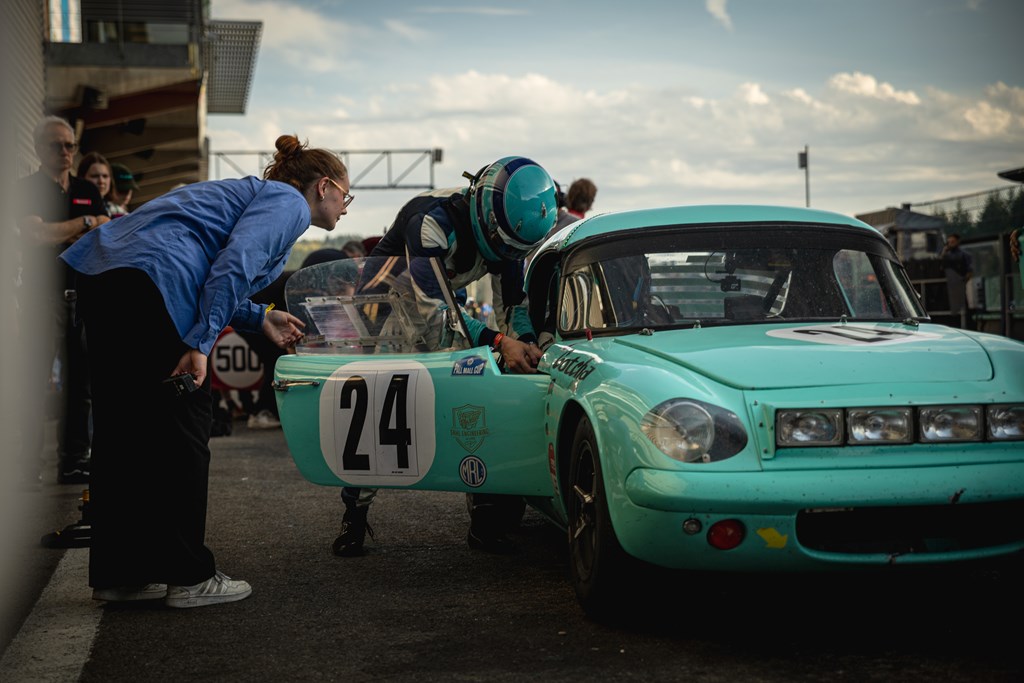
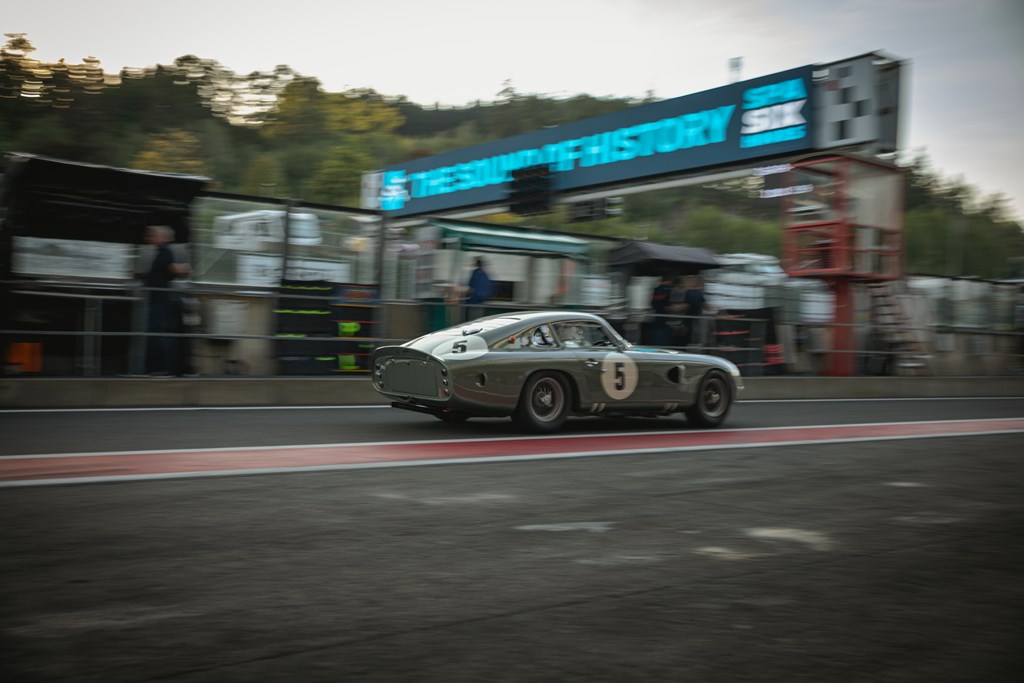
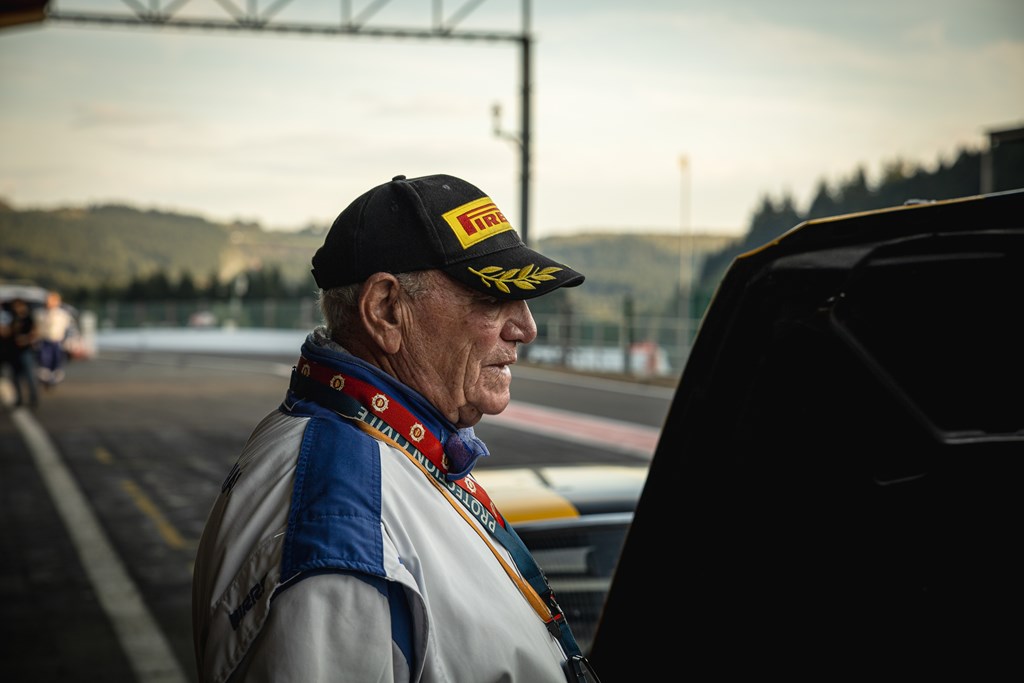
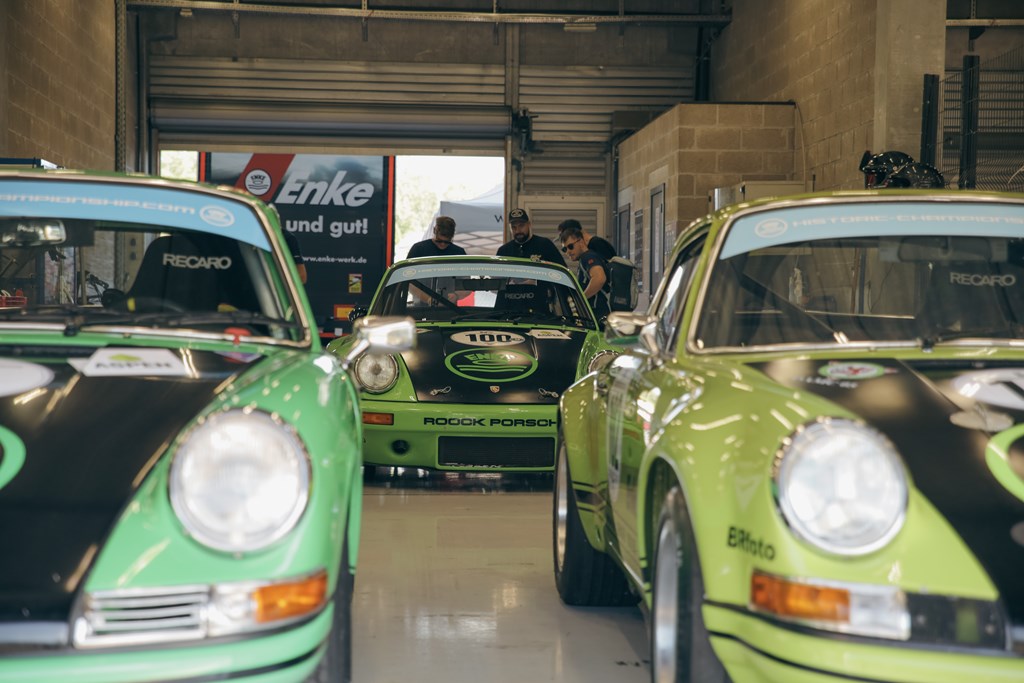
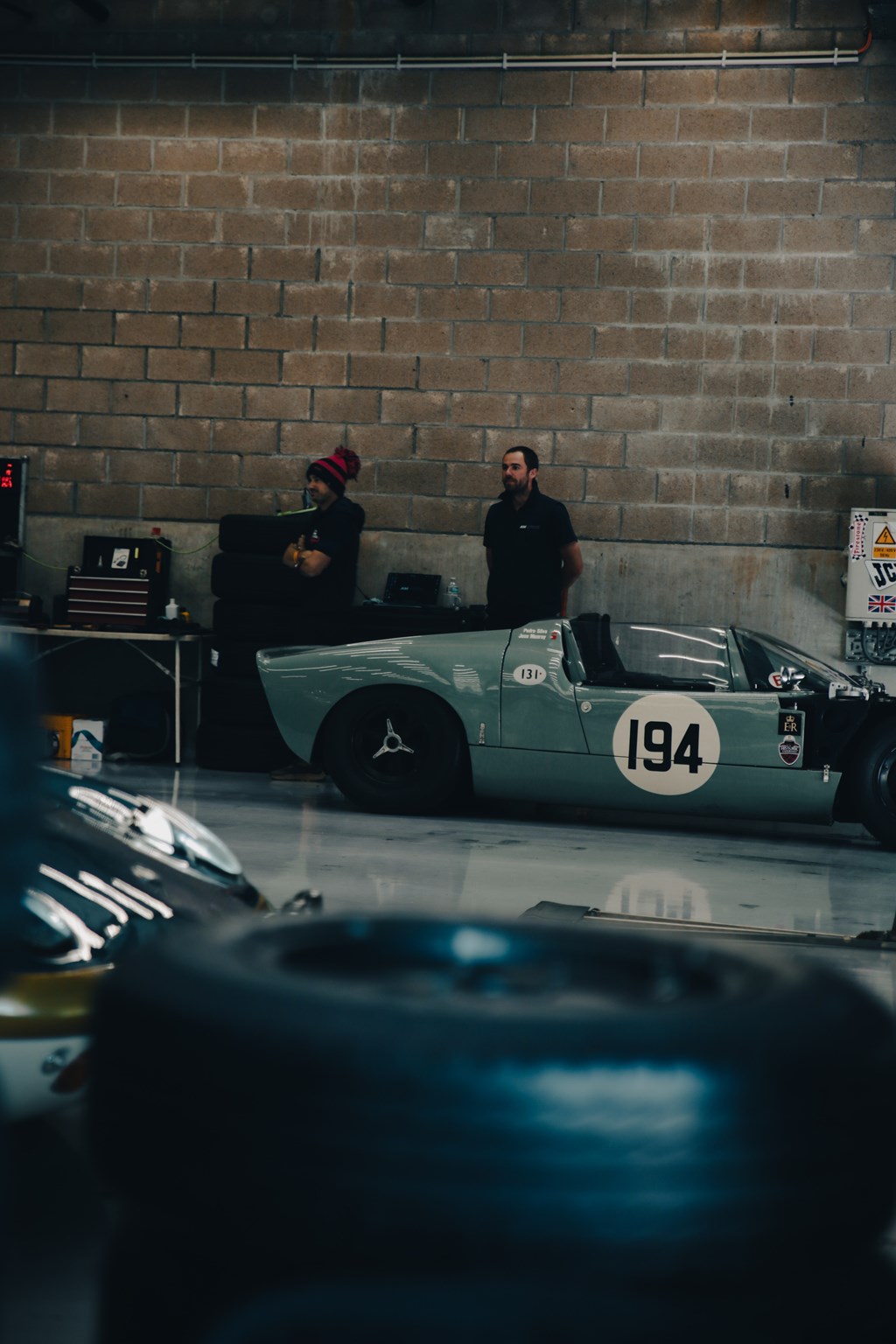
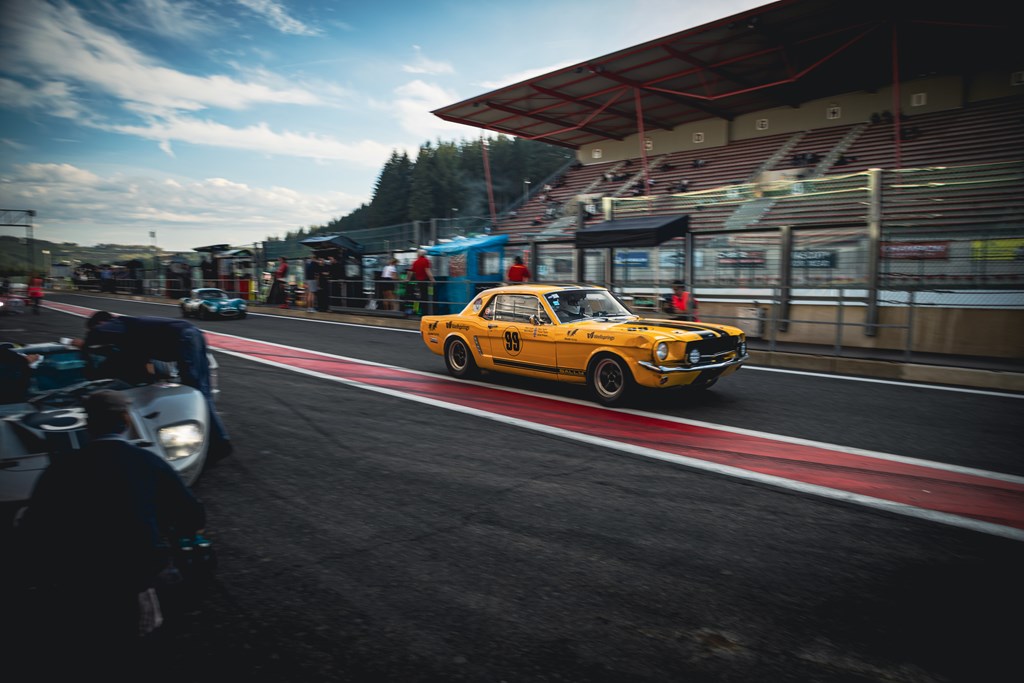
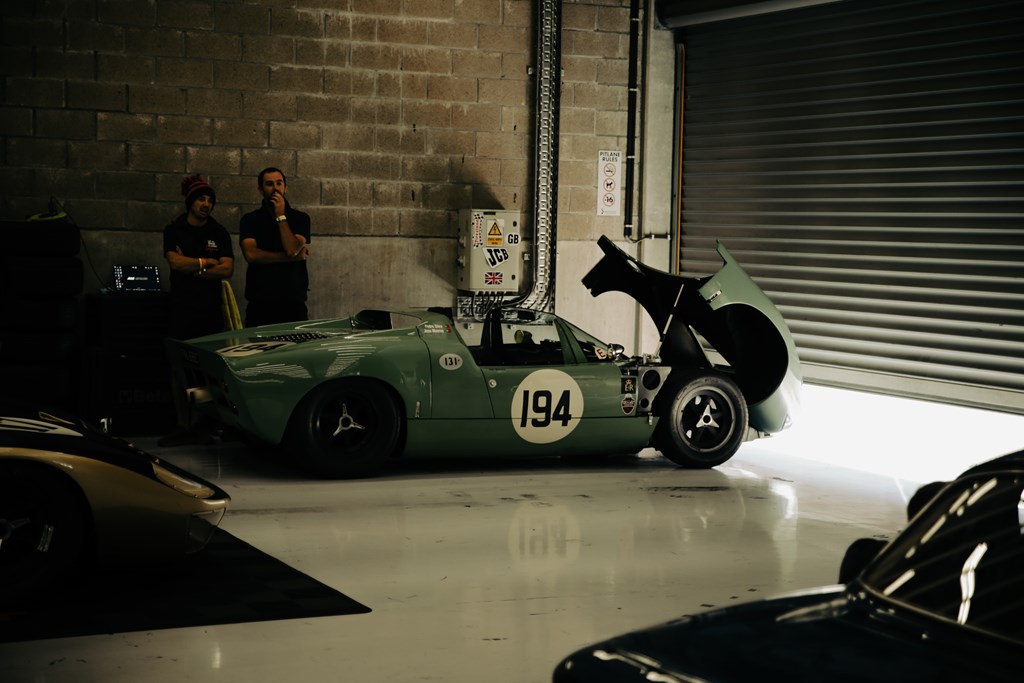
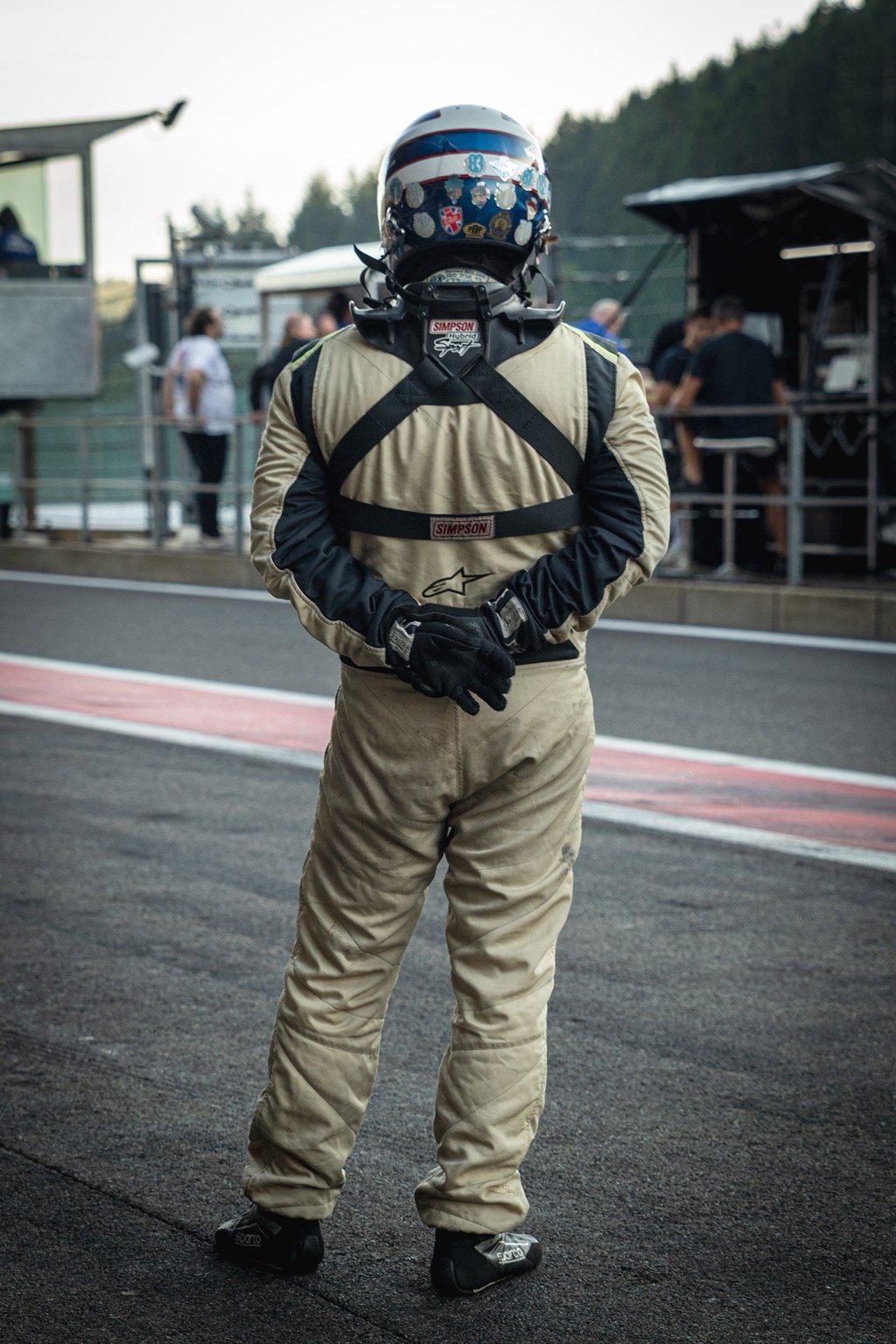
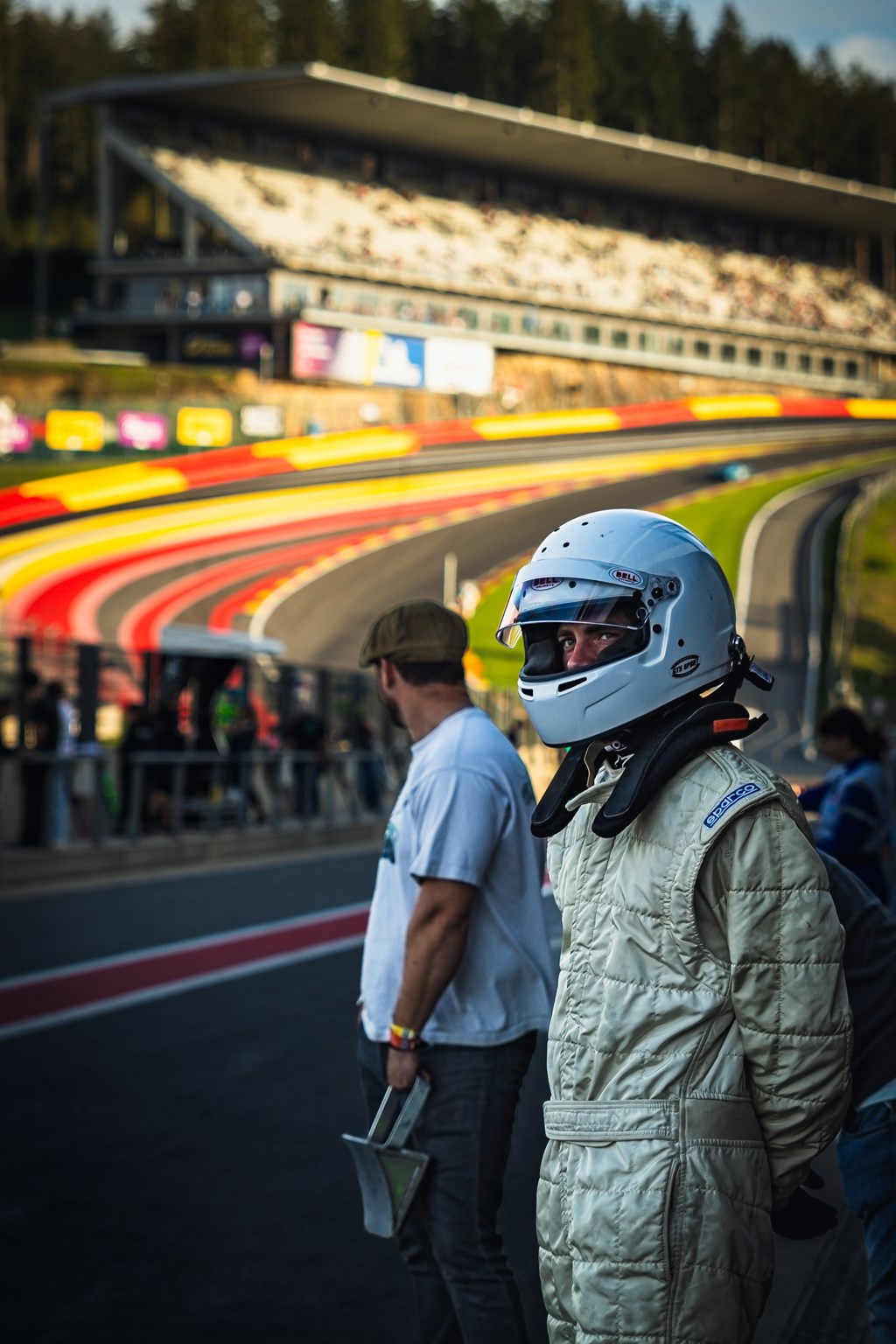
But the most remarkable, intense and above all loudest experience is the unrivalled access to both the old and new pit lanes. During pit stops, mechanics work frantically on the cars, wheels are still knocked loose the old-fashioned way with hammers, drivers swap seats, and cars leave the pits with a healthy dose of wheelspin. Witnessing that from so close is extraordinary.
Conclusion: a spa after all
As a car enthusiast, amateur photographer and lover of the outdoors, I find the Spa Six Hours just about the perfect event. Rarely will you see so many rare and valuable cars driven this hard. You can get incredibly close to the action, even without a media pass or an absurdly expensive lens, and come home with truly special photographs. And you're in the heart of the Ardennes, so if it all gets a bit much, the surrounding forests offer some peace and quiet. Relatively speaking.
Back to that Monday morning at the coffee machine. For someone who sometimes seems to have motor oil running through his veins, Spa-Francorchamps really is the automotive equivalent of a spa. So yes, in a sense, I did relax that weekend. Though I suspect my colleagues would still disagree.
Words and photos: J. Dullaart / Rotterdammert Car Spots
Heading to the Spa Six Hours? Tips from our photographer
- The paddocks and pit lanes are freely accessible during the event, so set aside time there during the pit stops.
- For close-up action shots, head to Bruxelles, Campus, the Kemmel Straight and Blanchimont; Eau Rouge-Raidillon and Pouhon deliver the classic Spa view.
- Shoot your panning photos in burst mode, as ten frames for one sharp shot is perfectly normal.
- Switch off your camera's rear screen and use the electronic viewfinder, and bring spare batteries regardless.
- Check the timetable beforehand, because with this many races you'll need to choose your spots strategically.
- And whatever you do, don't forget your earplugs.